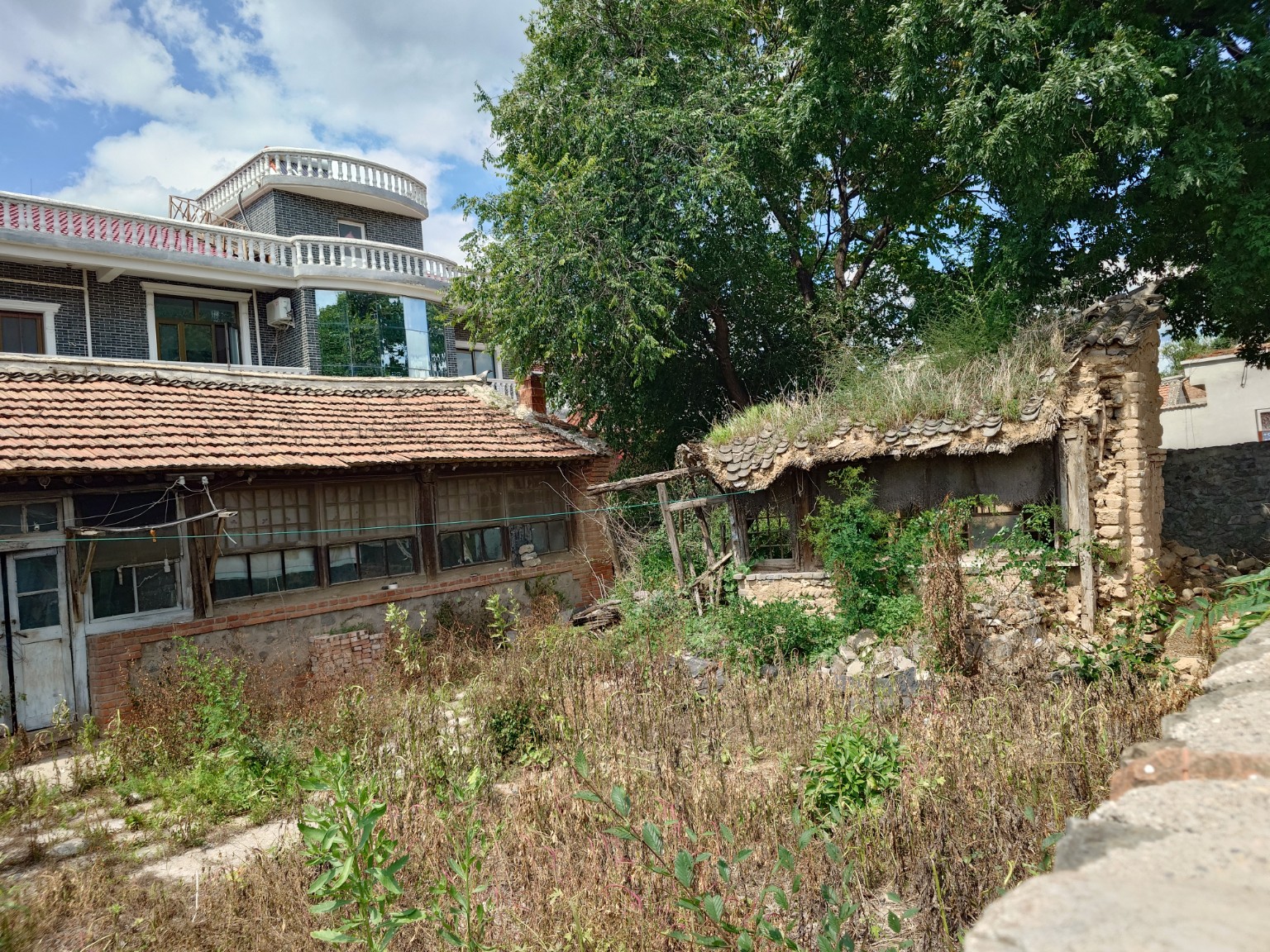
Where to start looking
The Village Atlas covers places including Beigou in Huairou, Xiayuan in Changping and Jinpoluo in Miyun. Use the field notes to compare transport, services and the setting you want; ask about current rentals once you have a shortlist.
For a home or studio, start with daily travel, heating, water, internet and the space you need. For a café, guesthouse or other business, check whether the actual building can support that use before comparing rents.
What does a courtyard cost?
A 2022 Xiayuan report cited roughly RMB 60,000–70,000 per year for some courtyards. That is a dated example, not a current quote or a Beijing-wide average. The source is linked below.
Compare the annual rent with the building’s condition, repair budget, heating and utility costs, deposit, lease term and permitted use. A low rent can come with substantial work. Ask for a written quote for the specific property.
Budget for winter and the way the building is metered
The investment guide’s area-based heating reference for non-residential buildings is RMB 45 per square metre per heating season in the six urban districts and RMB 43 in other districts. These are central-heating references; a courtyard with electric heaters or a heat pump needs a budget based on its own system and consumption.
Include a recent winter bill, heated floor area, insulation, meter category and tariff schedule in the property brief. Meridian Flow can include these points in local checks when comparing a home, studio or business site.
What a lease gives you
A foreign founder can rent a house in a Beijing village. The lease gives use of the building under its terms; rural homestead rights remain tied to the local collective system and do not transfer to the tenant.
China’s Civil Code caps a lease term at 20 years, and a lease longer than six months should be in writing. Choose a term suited to the building and your plans, with clear repair, early-termination and renovation-compensation terms.
Check the building and the people signing
Confirm the owner’s authority, relevant household or co-owner consent, the boundaries and included structures. Then check the property with your actual use in mind.
- House and homestead records; authority to lease
- Water, drainage, heating, power, internet and year-round access
- Structural condition and fire safety
- Responsibility for existing defects and future repairs
- Permitted residential or business use; any licences needed
Agree renovation responsibilities before spending
Beijing guidance requires rural house construction to follow village planning and receive approval before building. Rebuilding, expansion or a change of use may need several permissions. Put the approval responsibilities and treatment of your renovation costs in the lease.
For substantial work in Miyun, the rural owner normally applies through the village committee. Review and public notice are followed by a township on-site check and decision. The owner’s application and the tenant’s funding are different responsibilities.
Bring a concrete plan to the village or township
Visit with the owner, photographs and a short Chinese description of the intended use. Ask which office handles the proposal and which approvals are needed. Local staff can help identify the right procedure; record any formal permissions separately.
A house lease, collective-owned commercial premises and a project on legally marketable collective operational construction land involve different rights and procedures. A larger business should establish which arrangement applies before committing to a site.