A different proposition from Beigou
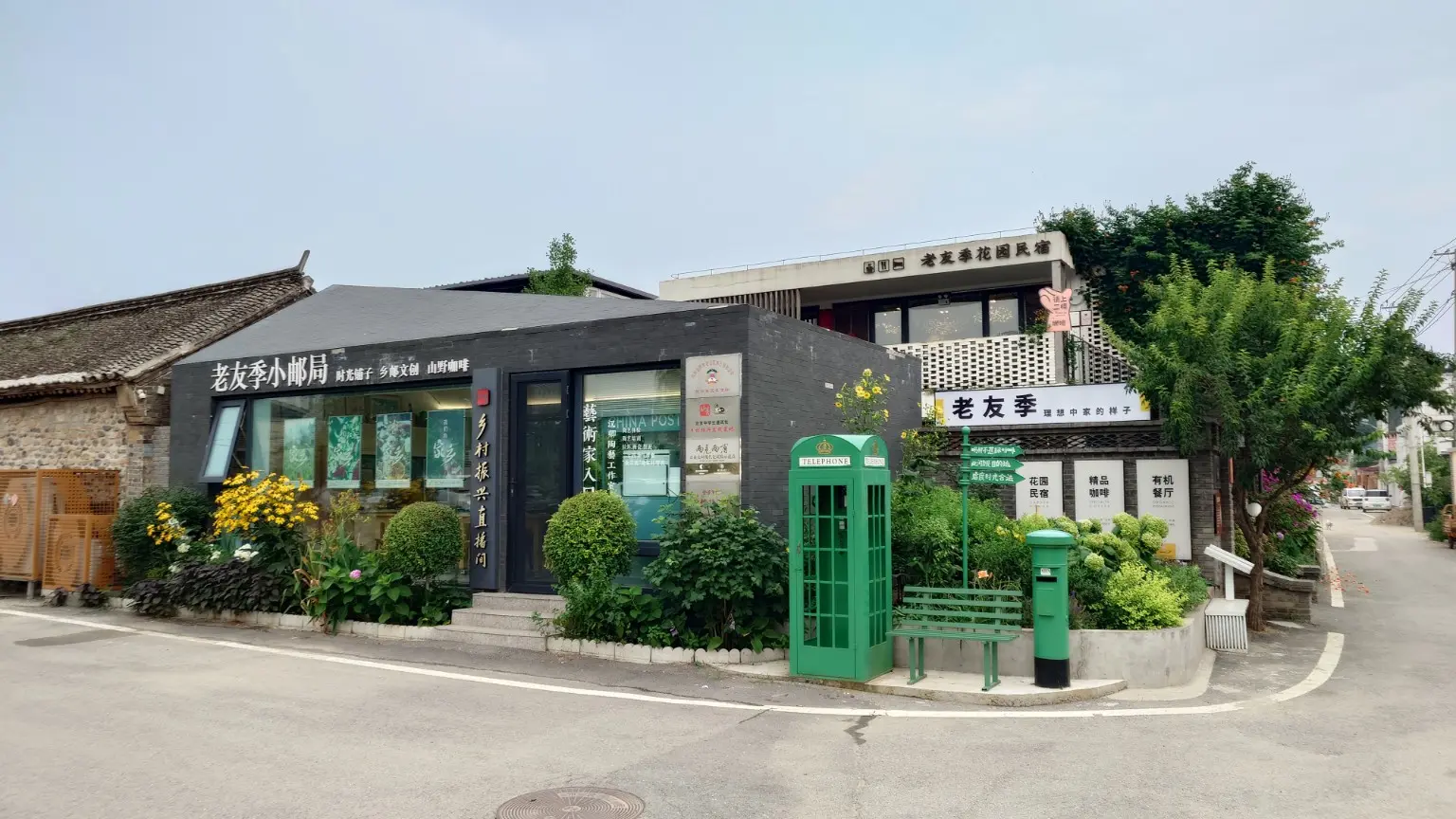
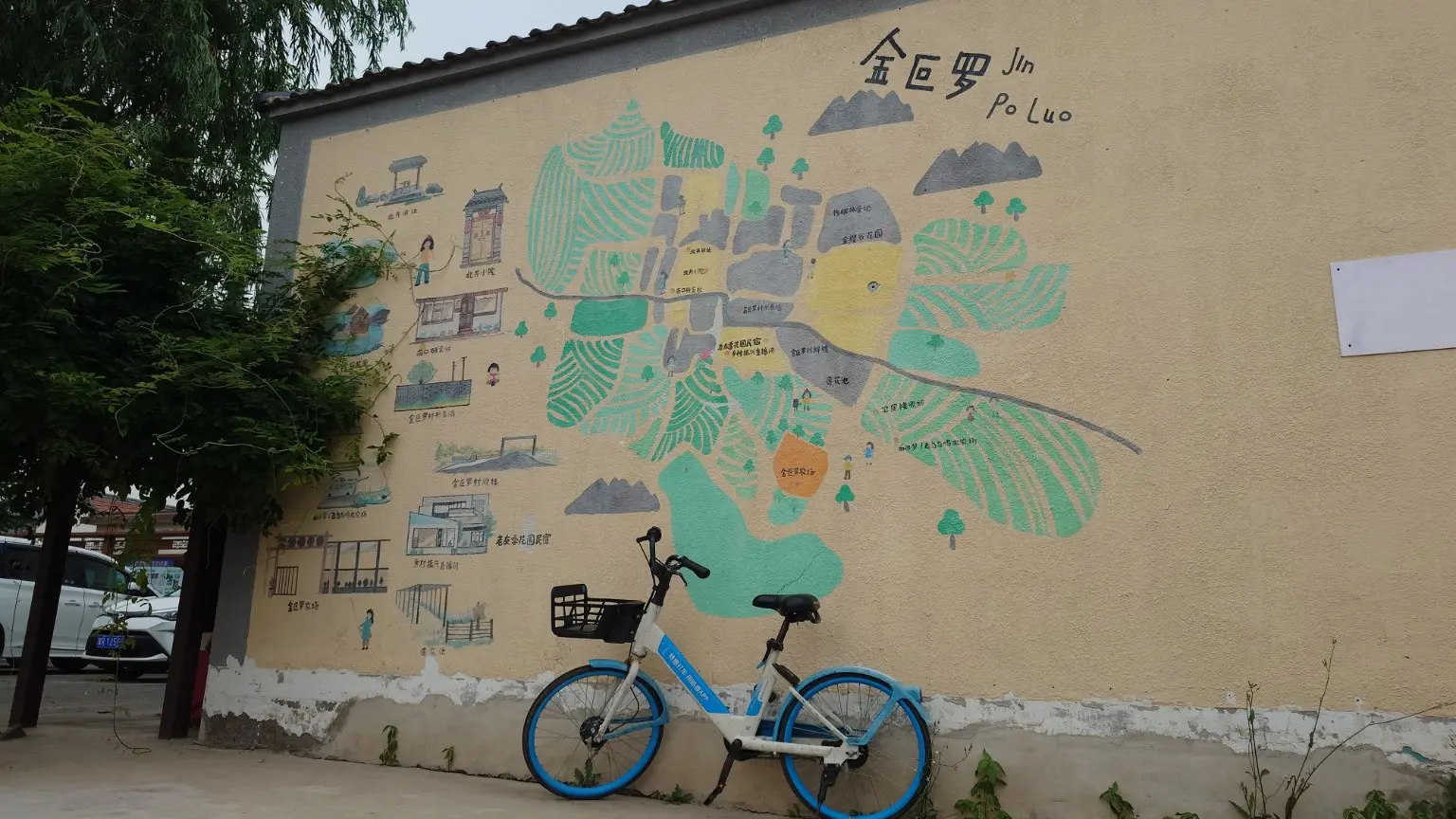
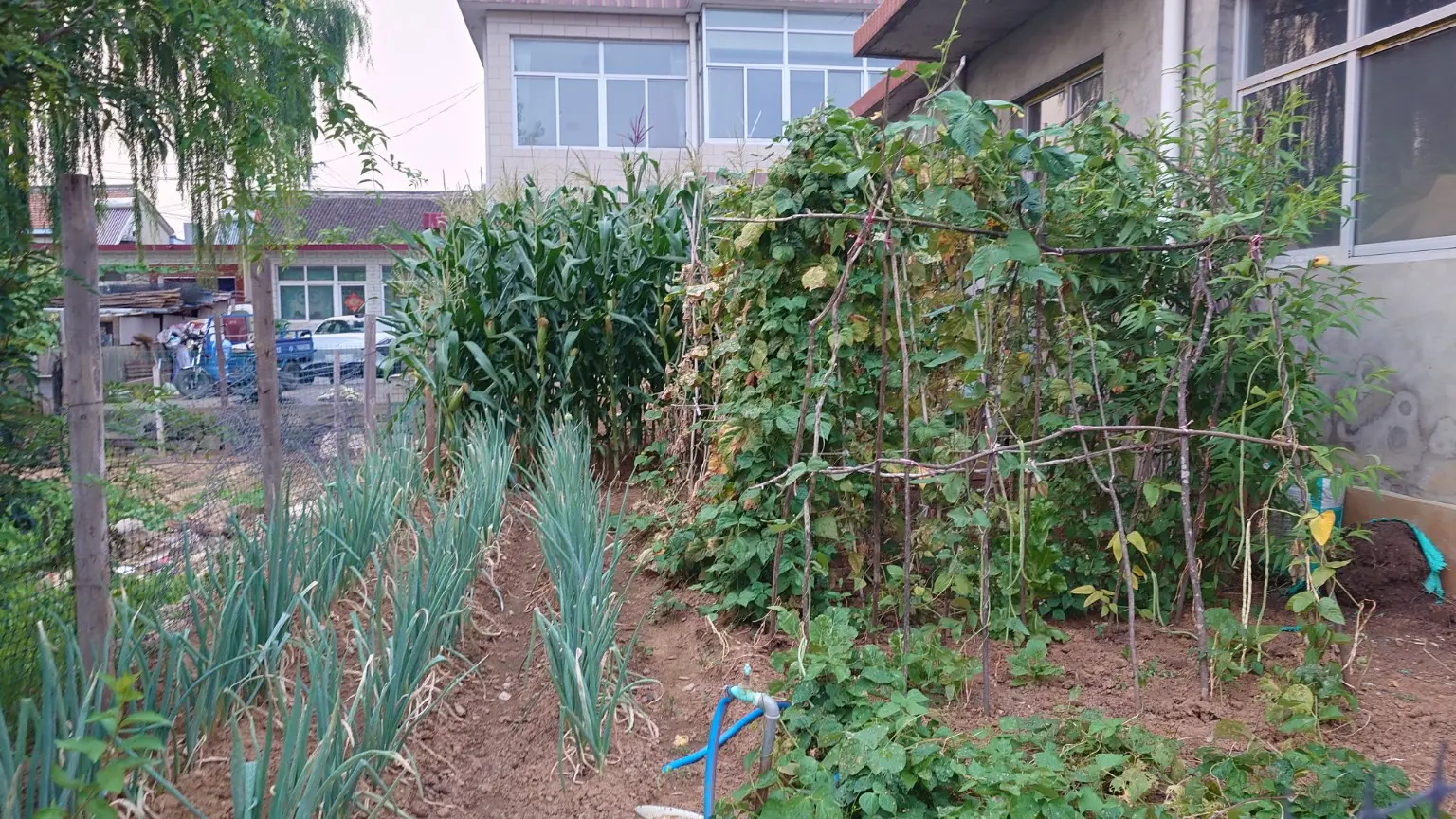
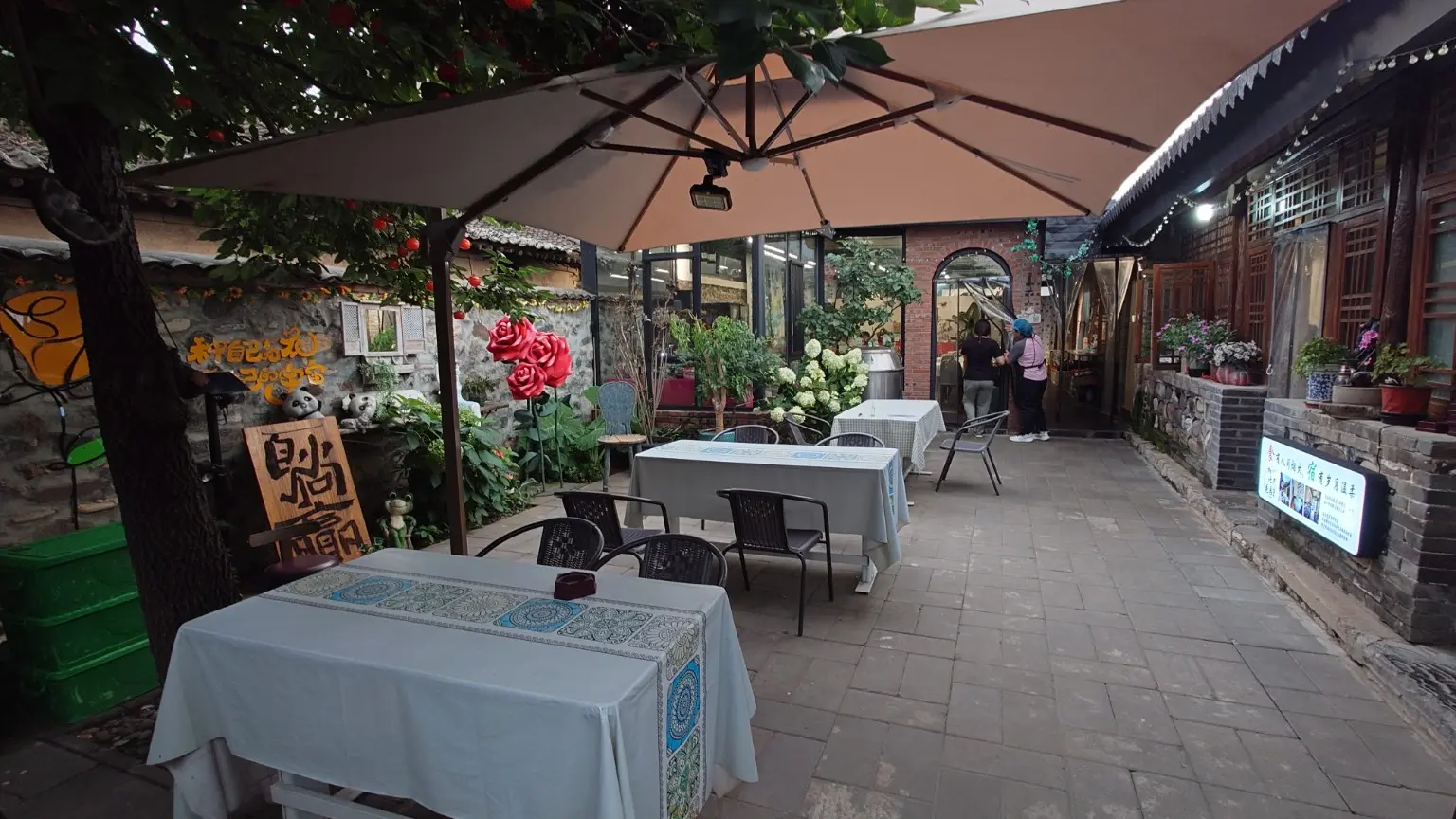
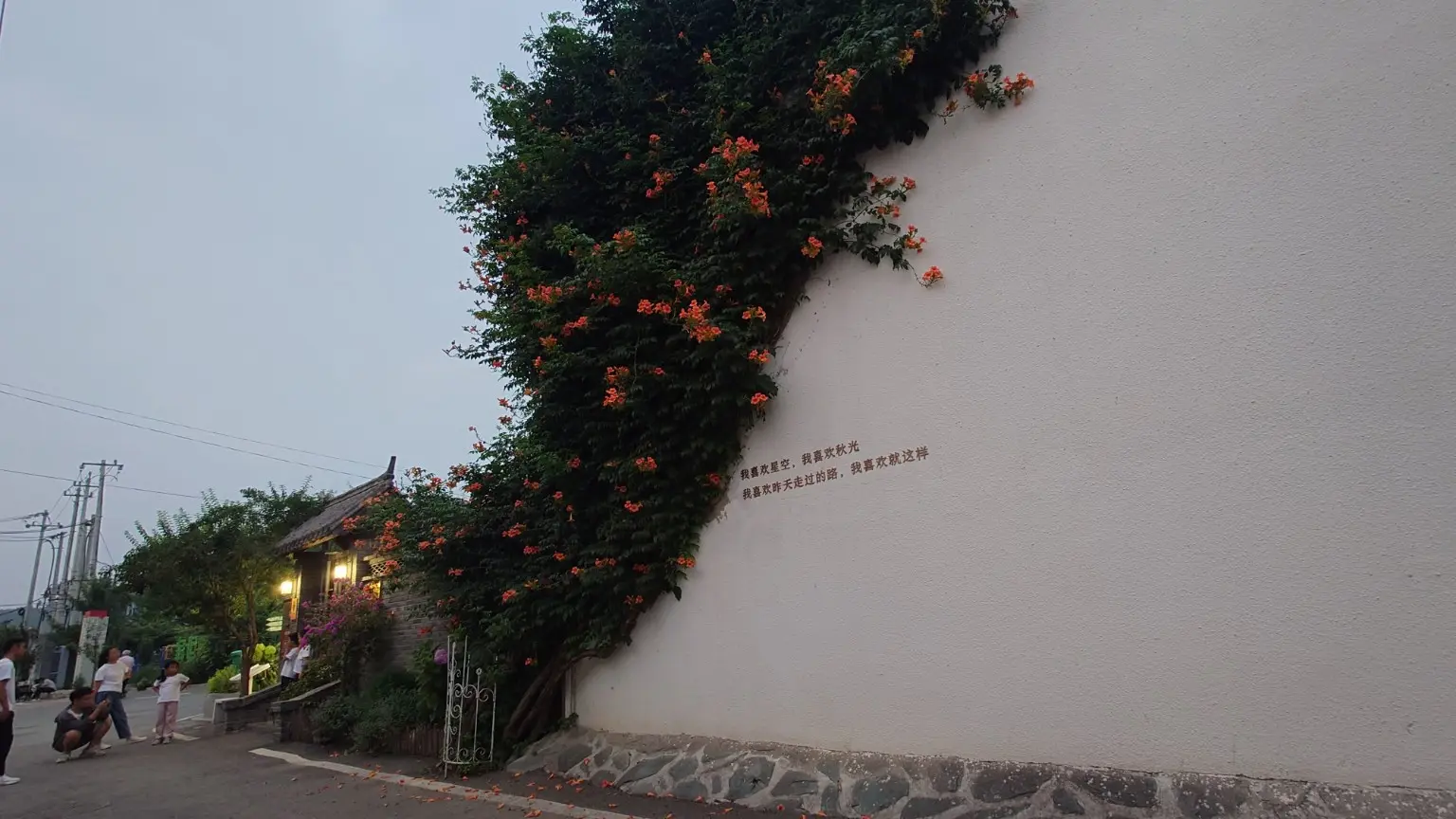
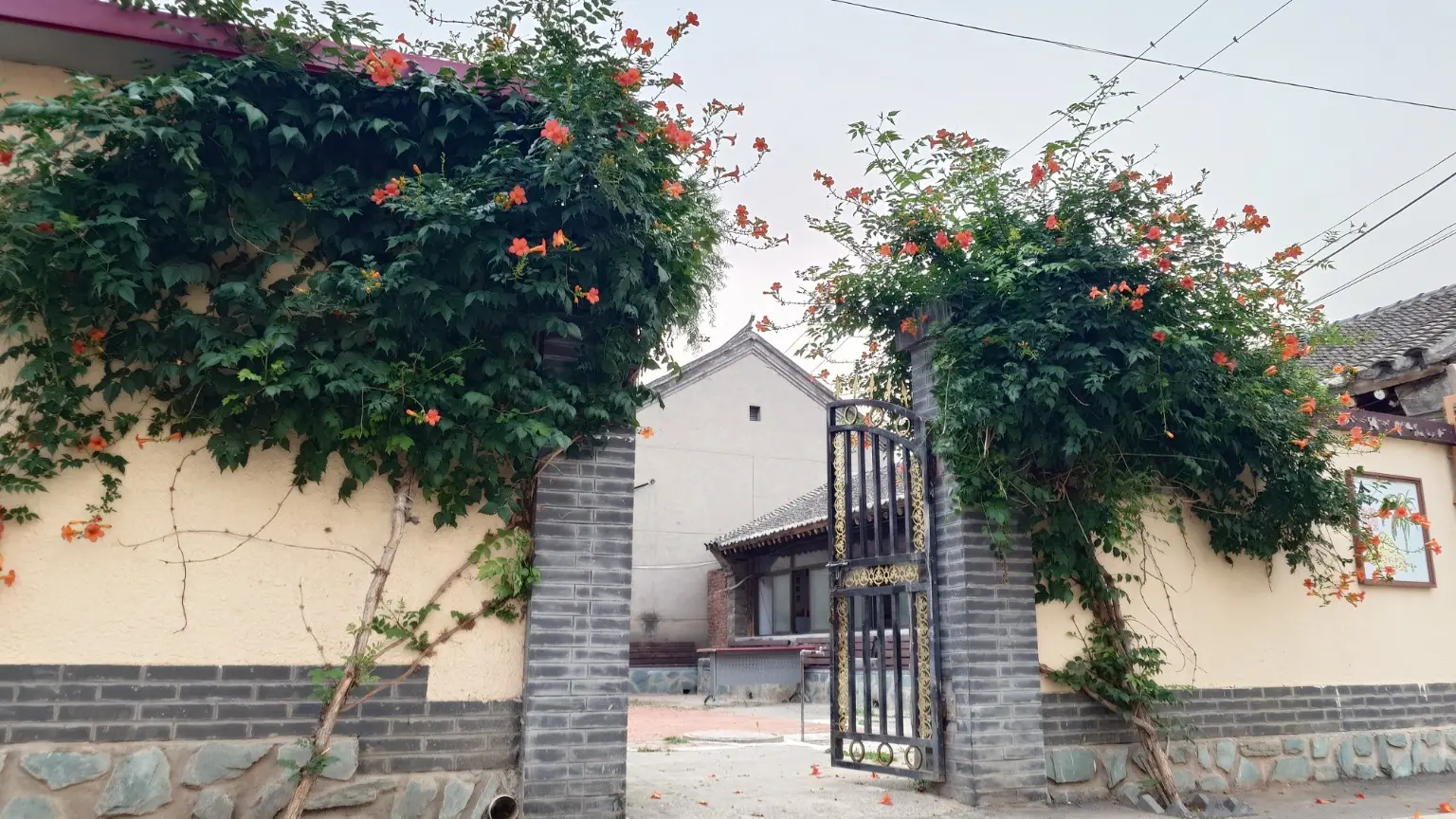
Jinpoluo feels more original, more residential and less commercially saturated than Beigou. Ordinary homes, small fields and food gardens still define much of the village. A selective layer of guesthouses, cafés, baking, farms and natural-education projects has arrived without consuming the whole settlement.
That balance creates a different opportunity: the chance of finding a whole courtyard for long-term lease appears higher, and entry cost may be lower. The corresponding cost is distance, thinner international services and a greater likelihood that a cheap house needs serious work.
Real homes and an organized new-villager layer
Public reporting describes a local network of more than 50 creators and “new villagers” working across ecological agriculture, food, markets, education and culture. Official case material also names private gardens, kiln-baked bread, rural coffee and camping among the village’s newer products.
The network is valuable precisely because the village is not an international bubble. It provides a bridge into local knowledge, collaborators and trust while the surrounding settlement continues to function as a real agricultural community.
The cheap-courtyard reality
A low annual rent can mean weak insulation, outdated wiring, poor bathrooms, uncertain drainage, no reliable heating and structural work hidden behind cosmetic finishes. Think “bring your own renovation plan”, not “build your own house”.
A tenant may fund and design an improvement, but the lawful house and homestead remain tied to the rural owner and collective system. A lease does not transfer homestead rights, and a foreign or urban tenant should not assume the right to demolish, rebuild, expand or change use.
- Verify the owner, homestead and house documents before paying a renovation deposit.
- Separate cosmetic work from structural alteration, extension and complete rebuilding.
- Put approval responsibility, remaining lease term, improvement ownership and early-termination compensation in writing.
- A rural-house lease can run for no more than 20 years; that maximum is not a recommendation.
How a substantial renovation normally moves
For structural alteration, expansion or rebuilding, the rural property holder—not the foreign tenant—normally applies. The owner first takes the property record, identity documents, application and commitment forms, neighbour comments and a basic design or standard plan to the village committee.
The village checks the proposal, deliberates and publishes it for at least seven days before sending it to Xiwengzhuang Town. The town conducts an on-site review, checks the village plan, boundaries, height, area, access and neighbouring impact, then issues or refuses the rural house-building approval. Construction follows the approved plan and is inspected on completion.
Land, gardens and the reservoir constraint
Some courtyards may include space for vegetables, herbs or fruit. Confirm exactly which soil lies inside the leased residential courtyard and which land is separately contracted farmland. Do not build on agricultural land or assume that a house lease includes the adjoining field.
Jinpoluo is close to the Miyun Reservoir and public reporting places it within the reservoir’s secondary protection area. Wastewater, septic systems, food service and other potentially polluting uses deserve early consultation rather than after-the-fact repair.
Treat local administration as infrastructure
If you genuinely like the village, walk into the village committee or township office before signing or building. Explain who you are, what you want to do, what benefit it may bring locally and which rules you need help understanding.
Local officials cannot waive land, safety or environmental law. They can often identify the correct office, explain the viable version of a proposal, coordinate departments and stop an expensive mistake before it begins. Routine policy consultation and administrative guidance are normally public services, not a favour to be purchased.
- Bring a one-page Chinese project note, property photographs and a simple plan.
- Ask for the competent office; do not assume one desk controls every permit.
- Do not offer gifts or seek an informal exception.
- Ask before signing, again before construction and once more before opening any business.
Stay before you settle
Do not sign a long rural lease after one attractive afternoon. Stay in a local guesthouse for several normal working days. Test video calls, mobile coverage, food, deliveries, evening transport, medical access and your own response to the village’s quiet, insects, farm noise and seasonal rhythm.
A car is practically important in outer Miyun. An international driving permit or overseas licence alone is not enough to drive legally in China: obtain a Chinese driving licence or a Chinese temporary driving permit. A newcomer may sensibly begin in urban Beijing while completing those systems.
- Visit on a weekday and a weekend.
- If possible, return during the heating season.
- Ask what happens after the last bus and when ride-hailing supply is thin.
- If you can accept the place’s hardest ordinary day, its advantages become genuine bonuses.
Best fit—and the trade-off
Jinpoluo best suits a long-stay founder, maker, food project or remote professional who values quiet, land and participation more than frictionless international service.
- Advantages: more original village fabric, possible whole-courtyard supply, lower cost, gardens, farms and an existing creator network.
- Trade-offs: greater distance from central Beijing, car dependence, thinner English support and potentially substantial renovation.
- Best first move: live in a guesthouse, meet the village committee and inspect several ordinary houses before discussing a long term.
Operating card
Jinpoluo is useful because a creator network, farms, food projects and cooperative-style organization already sit inside a still-residential village. The operating question is less ‘does the village have atmosphere?’ than ‘which owner or collective pathway applies to this particular courtyard?’
- Rent signal — no current village-wide or property-specific public price is used here. A lower-cost impression is not a quote.
- Control and ready-state signal — collective and cooperative mechanisms are visible in the village’s development model; confirm whether the specific house is owner-led, cooperative-linked or otherwise managed, and whether it is ready, light-upgrade or restoration stock.
- Food, supply and mobility — coffee, kiln bread, farms and guesthouses are real signals, but they do not replace a test of ordinary shopping, evening transport and delivery at the selected address.
- Evidence status — official and field-checked ecosystem evidence; price, availability, business use and renovation scope remain address-level questions.
- Local route — for a proposed commercial, hospitality or conversion use, prefer a village-coordinated discussion where available. If the offer begins with a private owner, bring a relevant village-committee or operator contact into the substantive conversation before spending. That route can clarify local facts and point the proposal onward; it does not decide every approval.