Wake up inside the wall
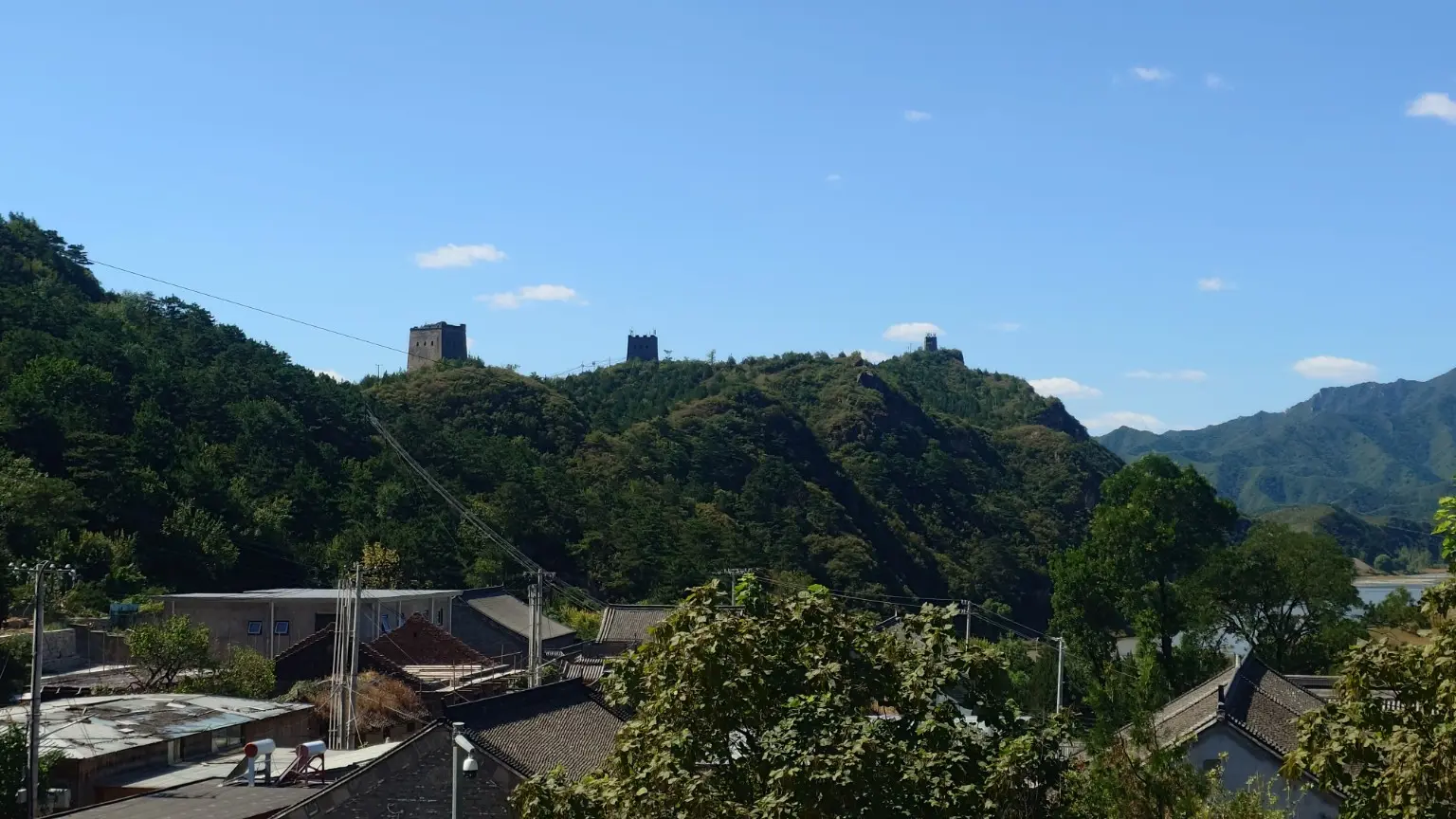
The first thing I would show anyone considering Gubeikou is not a restored courtyard or a government poster. I would take them into town early in the morning and ask them to look up.
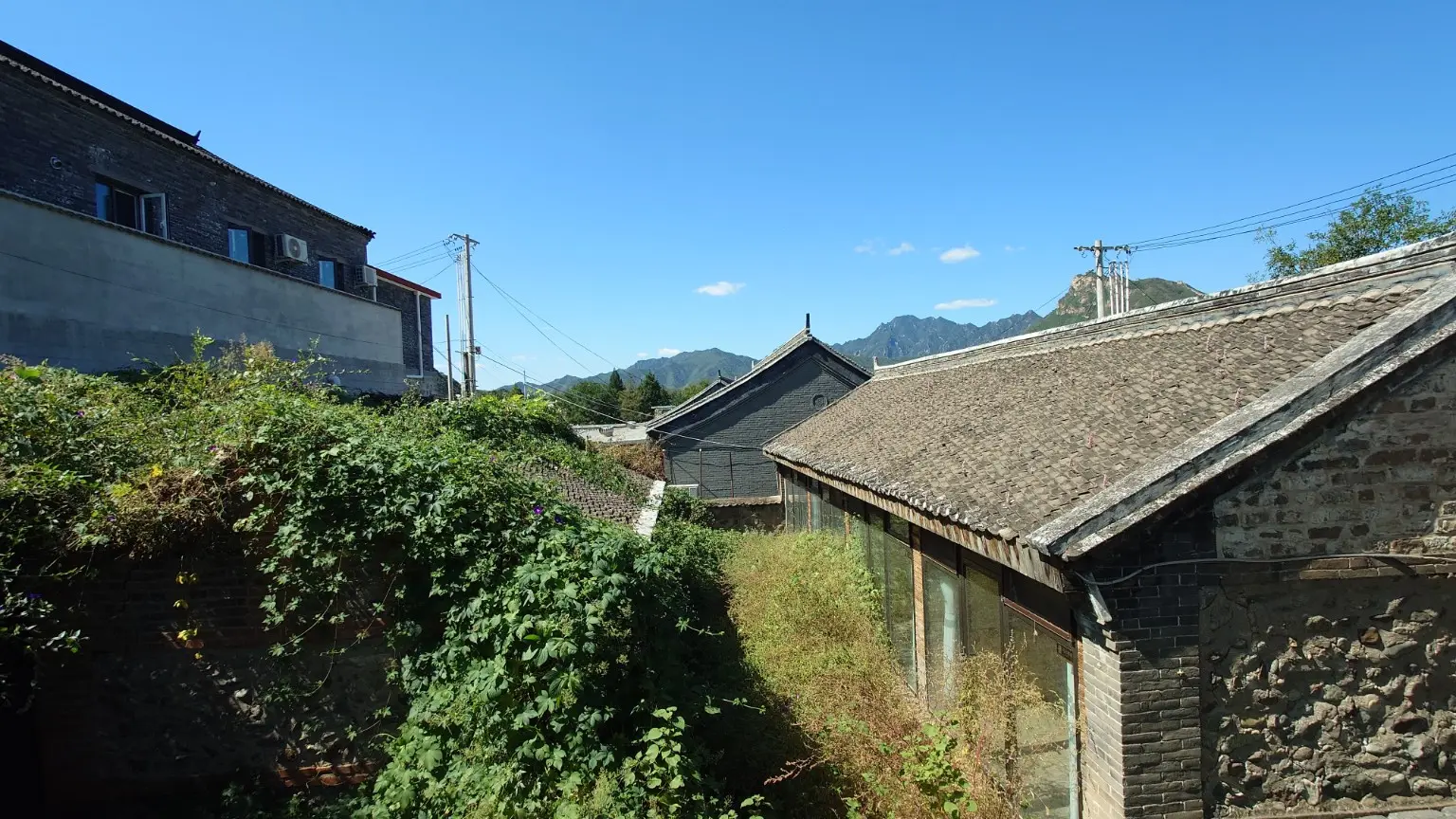
Great Wall towers stand on the ridges immediately above the roofs. From a courtyard, a lane or an upstairs window, the wall is not a distant excursion waiting for the weekend; it is the horizon. You can leave town on foot, climb onto the fortifications and keep walking along the mountains. I have visited many historic villages around Beijing, but waking up inside this landscape feels different in scale and proximity. The word that kept returning was simple: incomparable.
That setting explains why Gubeikou matters, but it does not explain why I am writing about it now. The current story is physical and immediate. The town is full of tools, scaffolding, fresh timber, exposed walls, new windows and half-finished shopfronts. Gubeikou is rebuilding space and openly looking for people who can give that space a working life.
The town has opened its toolbox
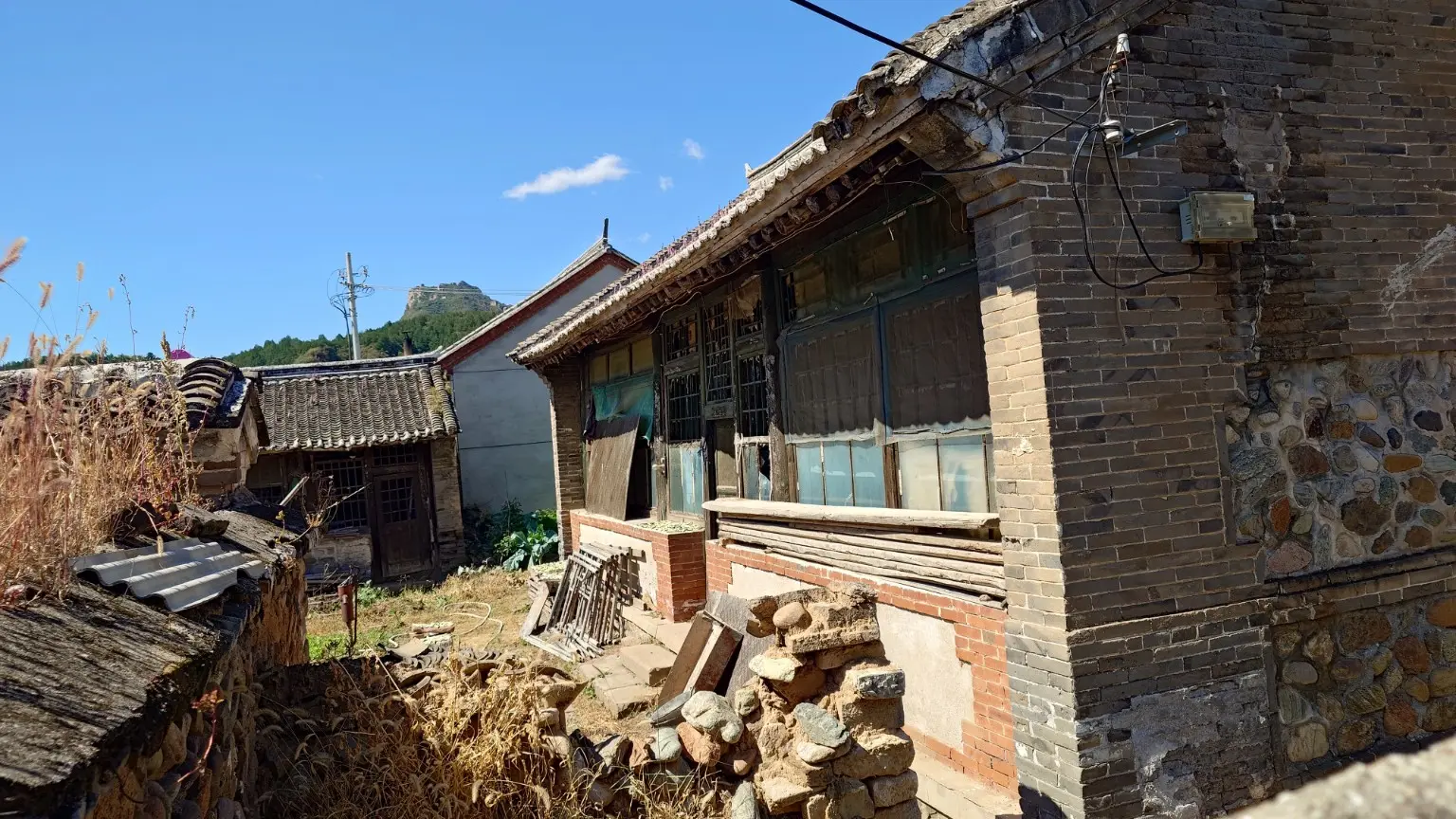
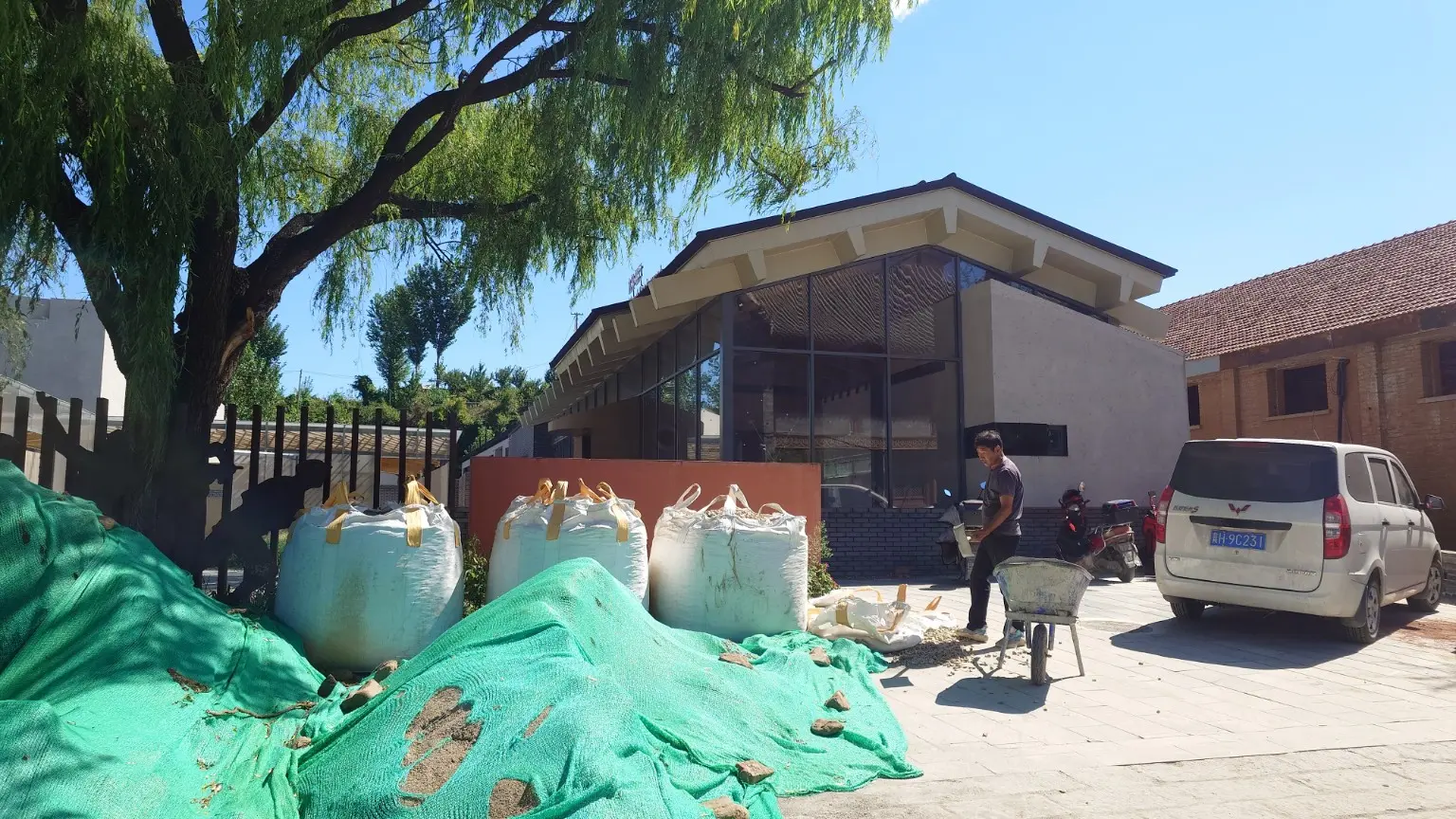
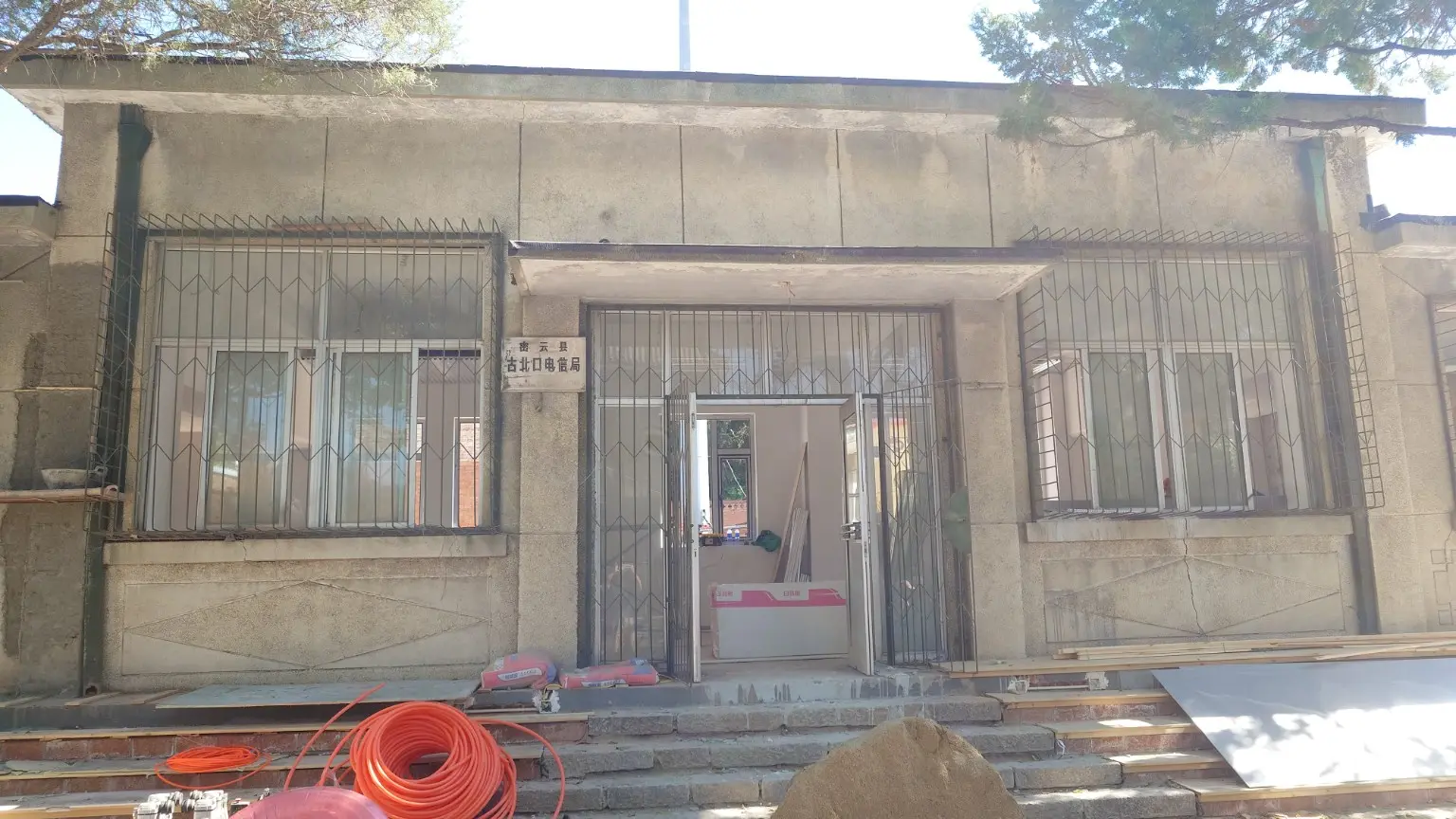
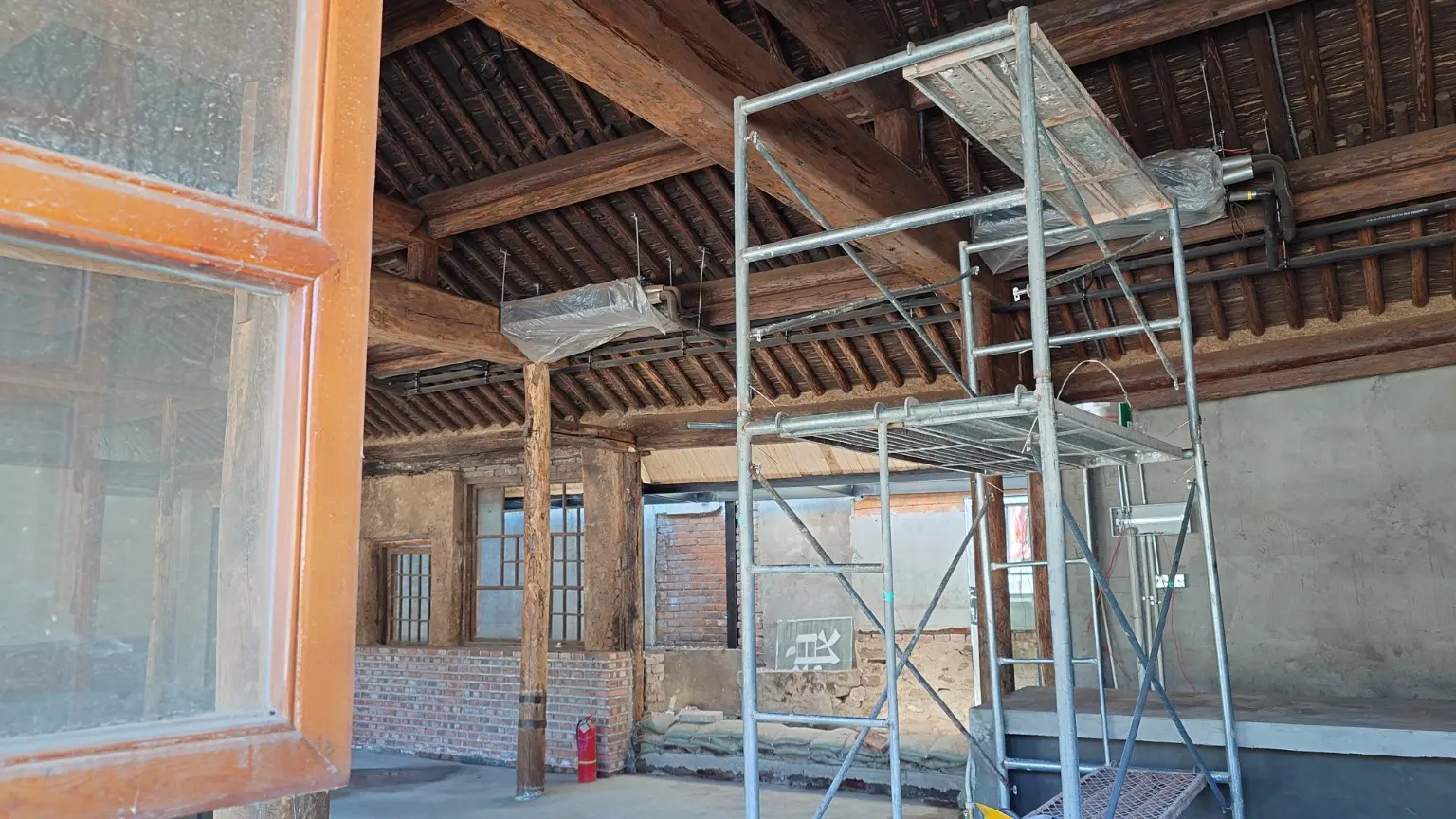
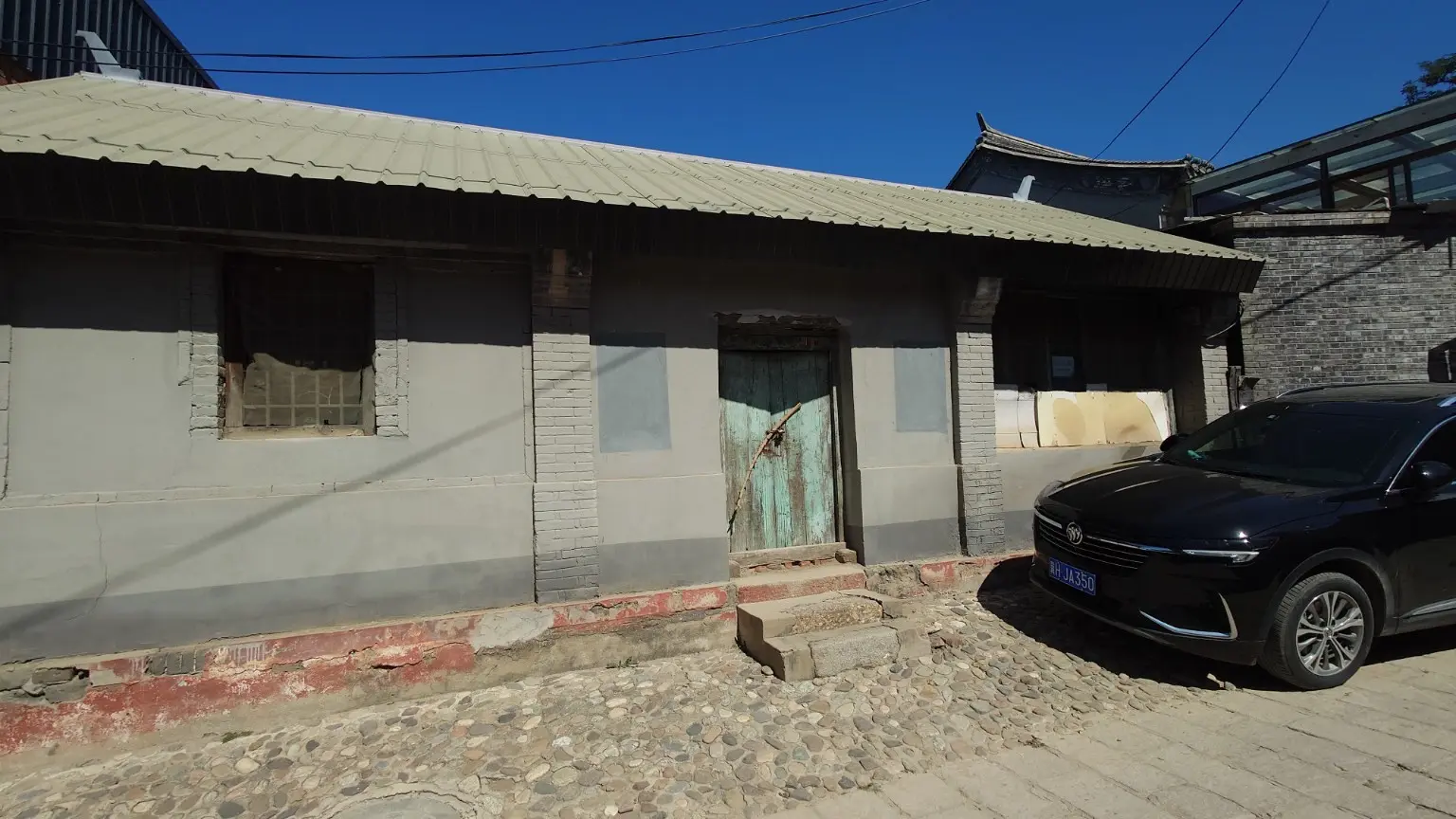
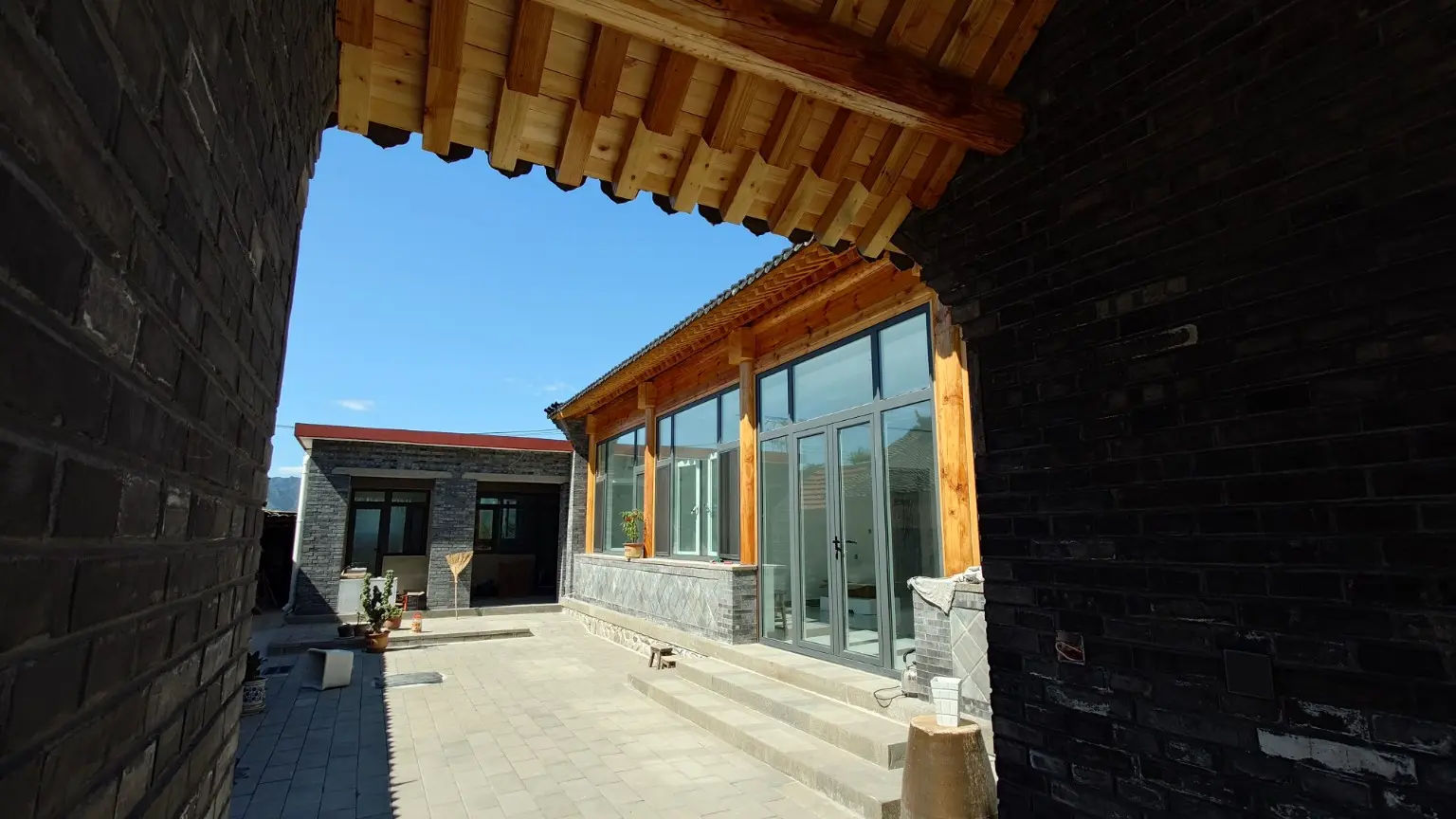
I kept encountering repair work. A long grey-brick building was being fitted with glass doors. The former Gubeikou telecommunications bureau—an unmistakable early-modern layer of the town—was stripped back for another use. Inside an old timber room, new ductwork ran beside dark beams. Building materials sat outside lived-in houses while residents’ cars, plants and washing carried on around them.
These scenes show what renewal looks like before the opening photographs arrive. Some projects keep the overall house, courtyard and roof structure. Others retain faded shop signs or old masonry while replacing the systems required for a working interior. The inherited fabric is not merely decorative skin: in many places, the old building is still the building.
That makes Gubeikou feel active, unfinished and buildable. It also means an incoming operator has to read construction reality: roof, drainage, insulation, wiring, heating, wastewater, access and contractor quality. A beautiful wall does not answer those questions. A cheap house answers even fewer.
Two sides of the rent
The range of spaces—and the range of rents—is enormous. In conversations on the ground, I was told that a good courtyard or commercial space in a strong position could exceed RMB 100,000 a year. At the other end, some unrepaired old courtyards were discussed around RMB 8,000 to 10,000 a year. The low-rent option may then require more than RMB 100,000 in repairs and fit-out before it can support a studio, shop or home.
These are local asking-price observations from fieldwork, not a town-wide average or a promise that a particular house is available. Their value is in the spread. One route pays for location and readiness. Another pays very little for the raw envelope, then invests in making it work. A third sits between them: an intact courtyard whose windows or exterior have been updated, but whose yard, services and interior still need an operator’s decisions.
The raw route can still be cheaper over a long lease, especially when the finished space reflects the business instead of a generic landlord renovation. The arithmetic has to include the whole term, fit-out, heating, drainage, wiring, maintenance and the possibility of leaving early. ‘RMB 8,000 a year’ is an opening line, not a completed decision.
Miao Street is recruiting an operating layer
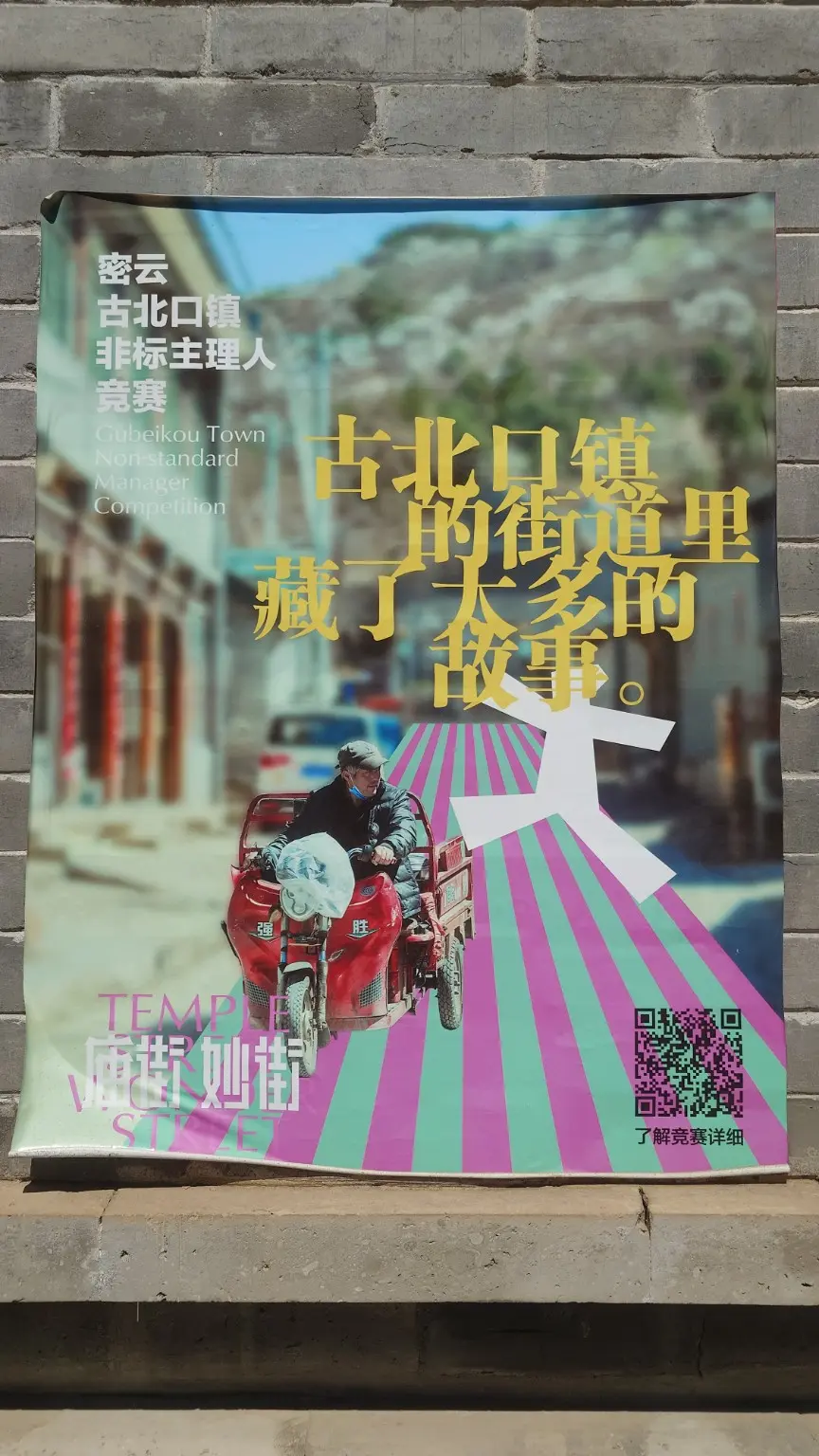
Red competition posters appear on doors and walls around town: ‘Gubeikou Town Non-standard Manager Competition.’ The English is awkward; the intention is not. The local-government project is open to global participants and centres on the 1.4-kilometre old street.
One competition track concerns the activation and design of spaces. The other seeks operators for non-standard commercial formats. Coffee, food, retail and art were among the fields represented at the launch, and the organisers say selected teams will be connected with the town government and relevant resource partners to help move proposals toward operation.
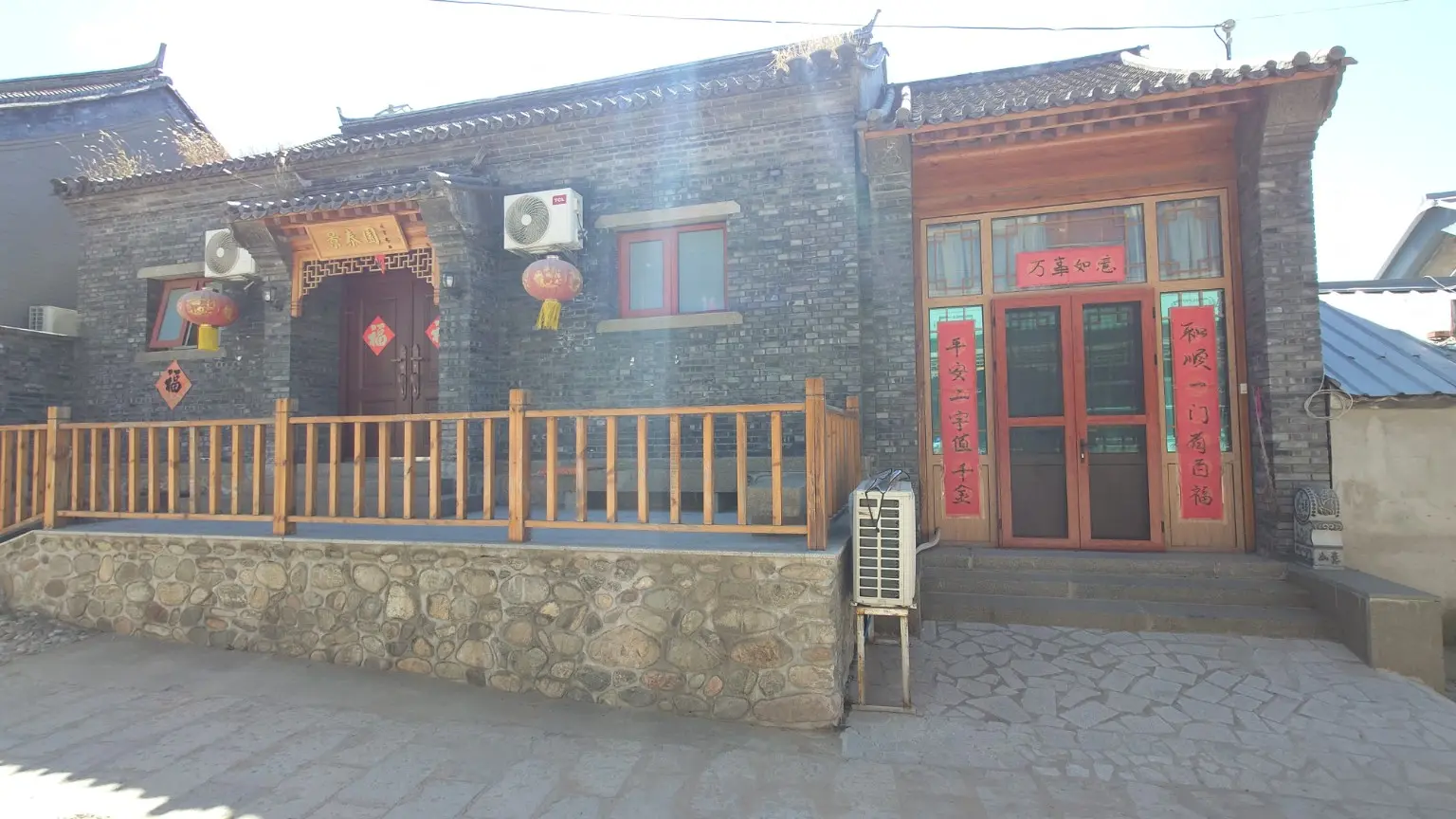
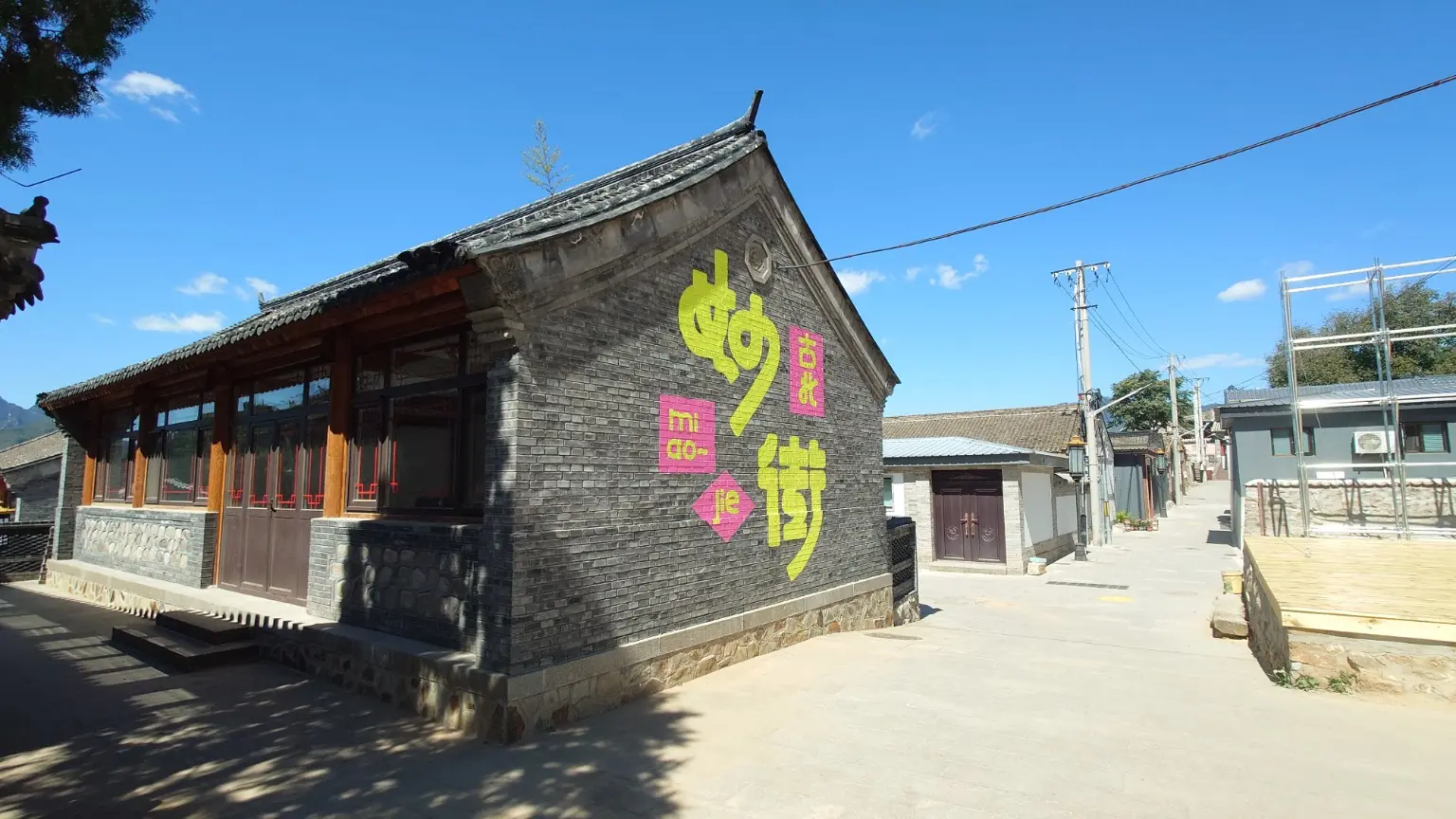
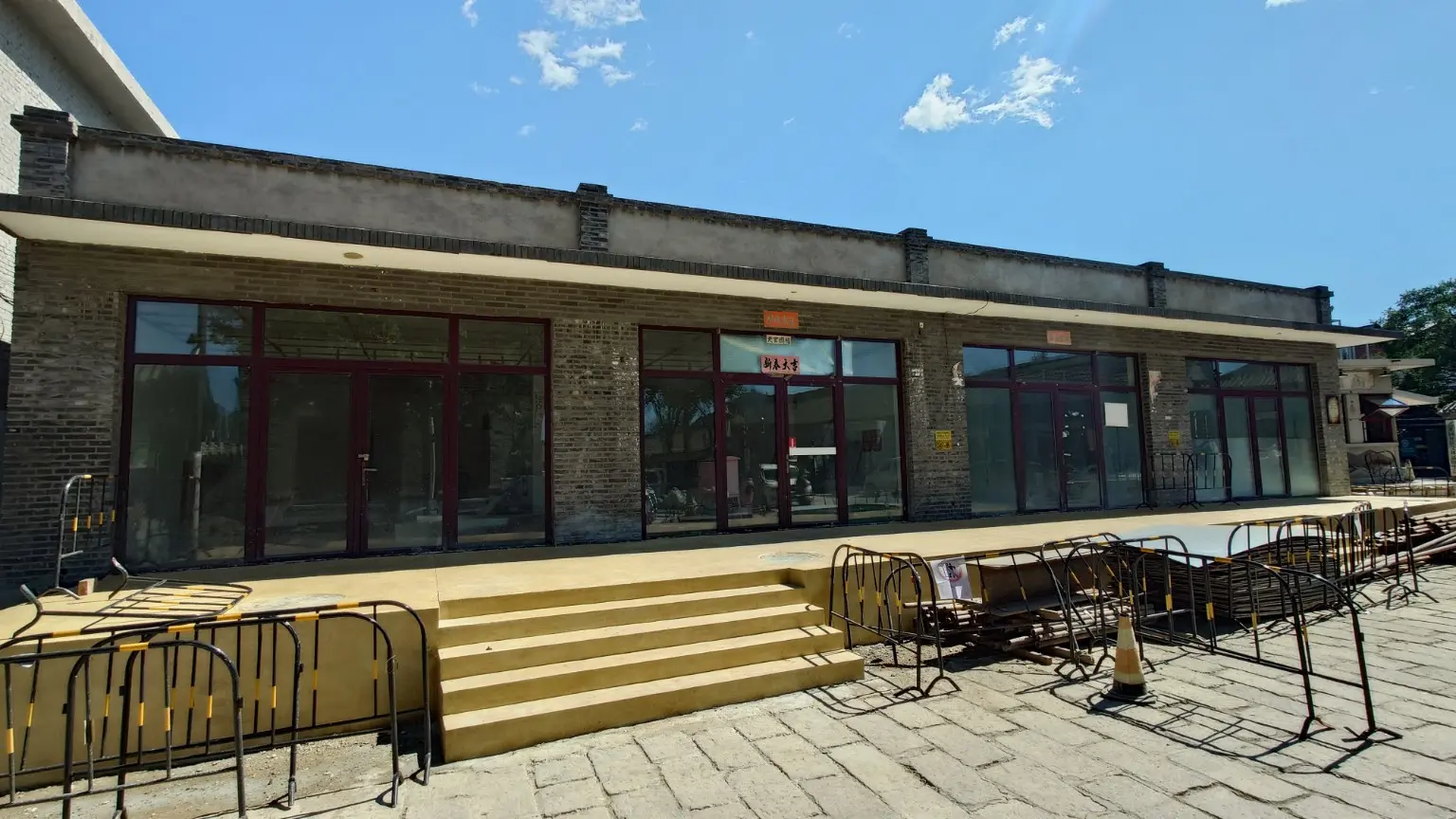
Miao Street is therefore a physical area, a set of buildings already receiving work and a recruitment mechanism for the next operating layer. When I photographed it, completed façades, empty glazed units, barriers and active works shared the same frame. That is where the story is strongest: while decisions are still open.
International has a doorplate
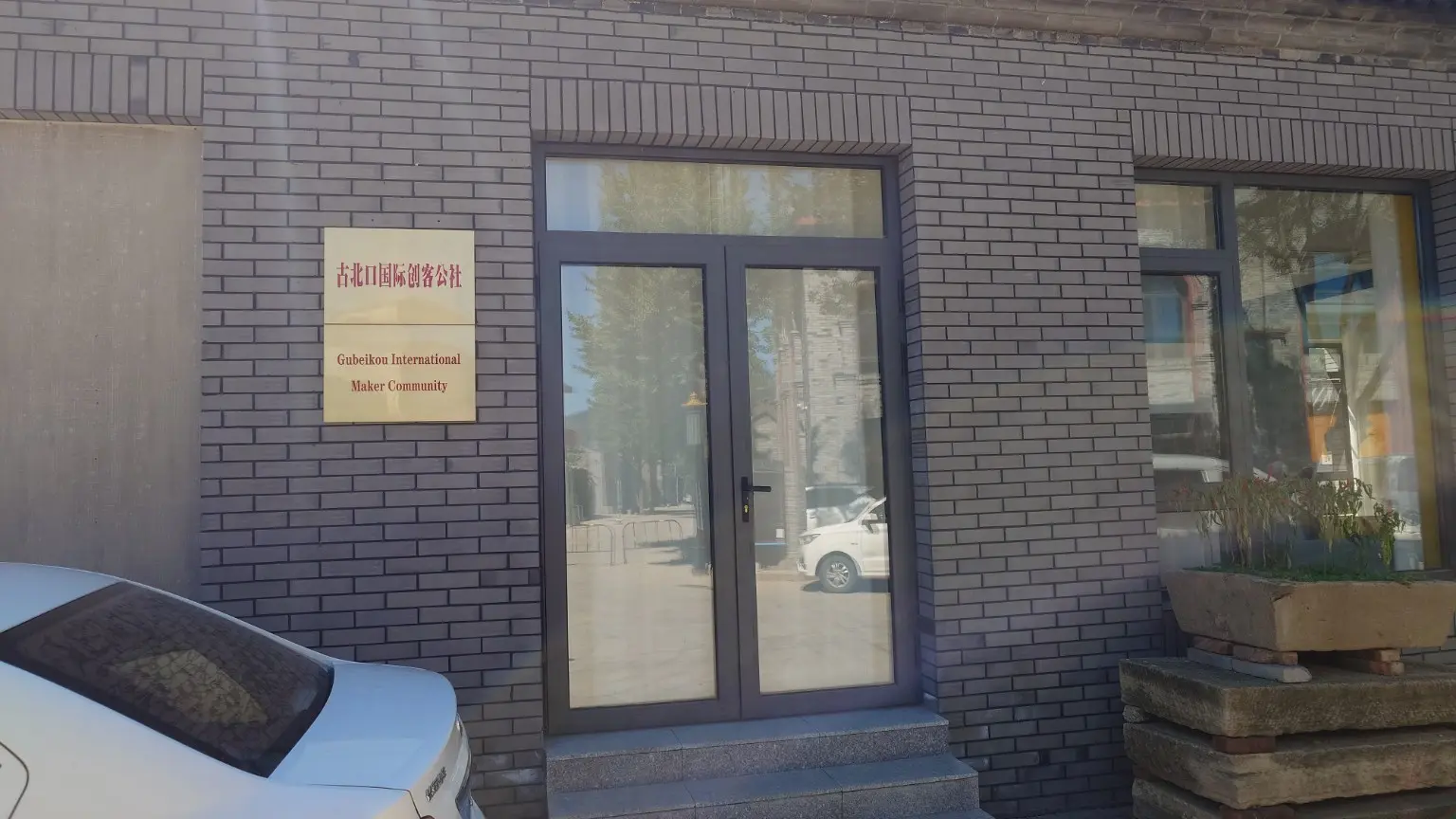
It is easy for a place to say foreign founders are welcome. Gubeikou has something more concrete: a bilingual sign reading ‘Gubeikou International Maker Community / 古北口国际创客公社’ fixed beside a real street-level door.
I did not establish whether the facility is directly government-operated or run by another organisation, and I am not going to invent a service catalogue. The physical interface still matters. An overseas maker arriving in town has an identifiable place framed around international creators rather than only a broad tourism welcome.
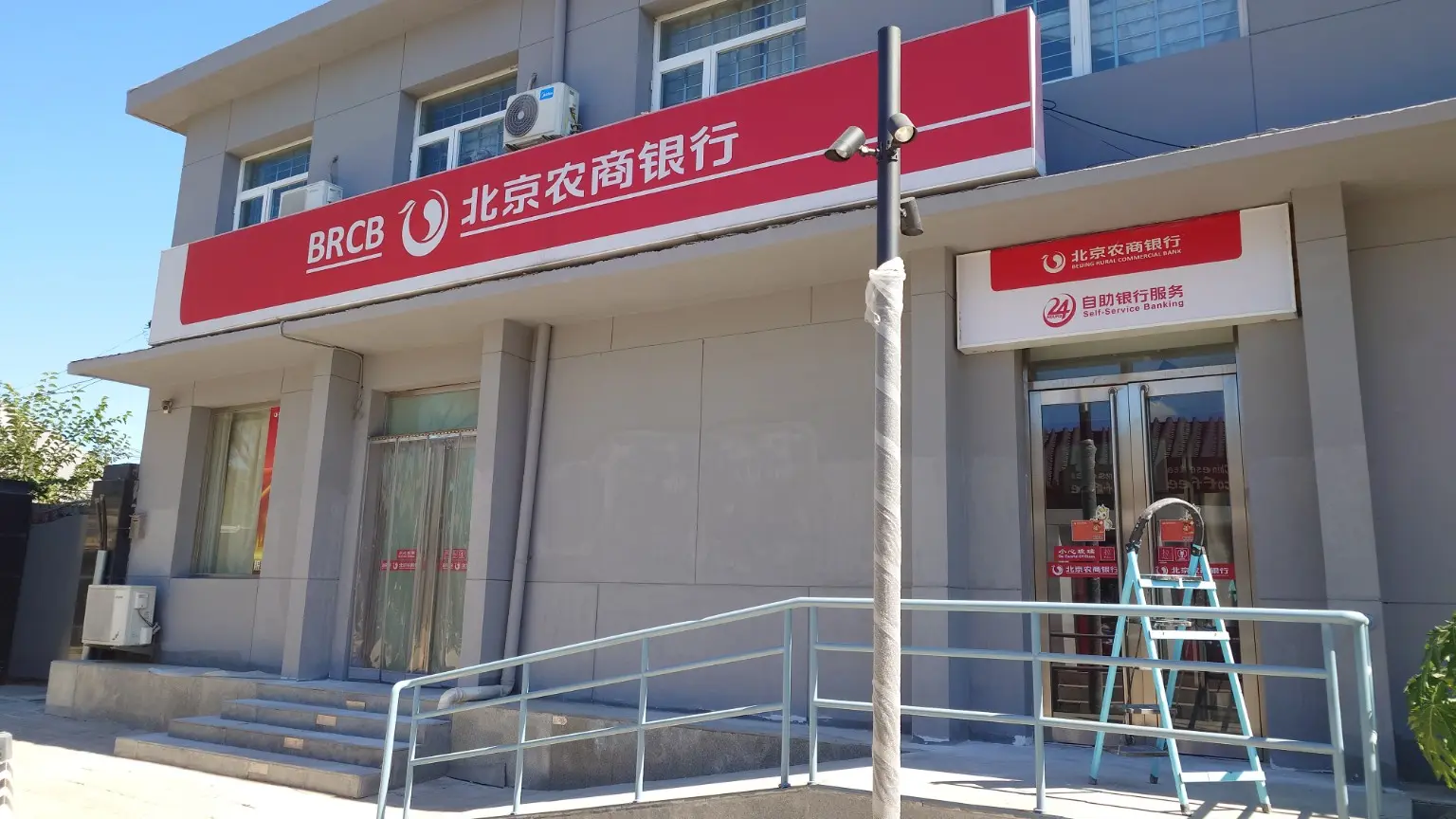
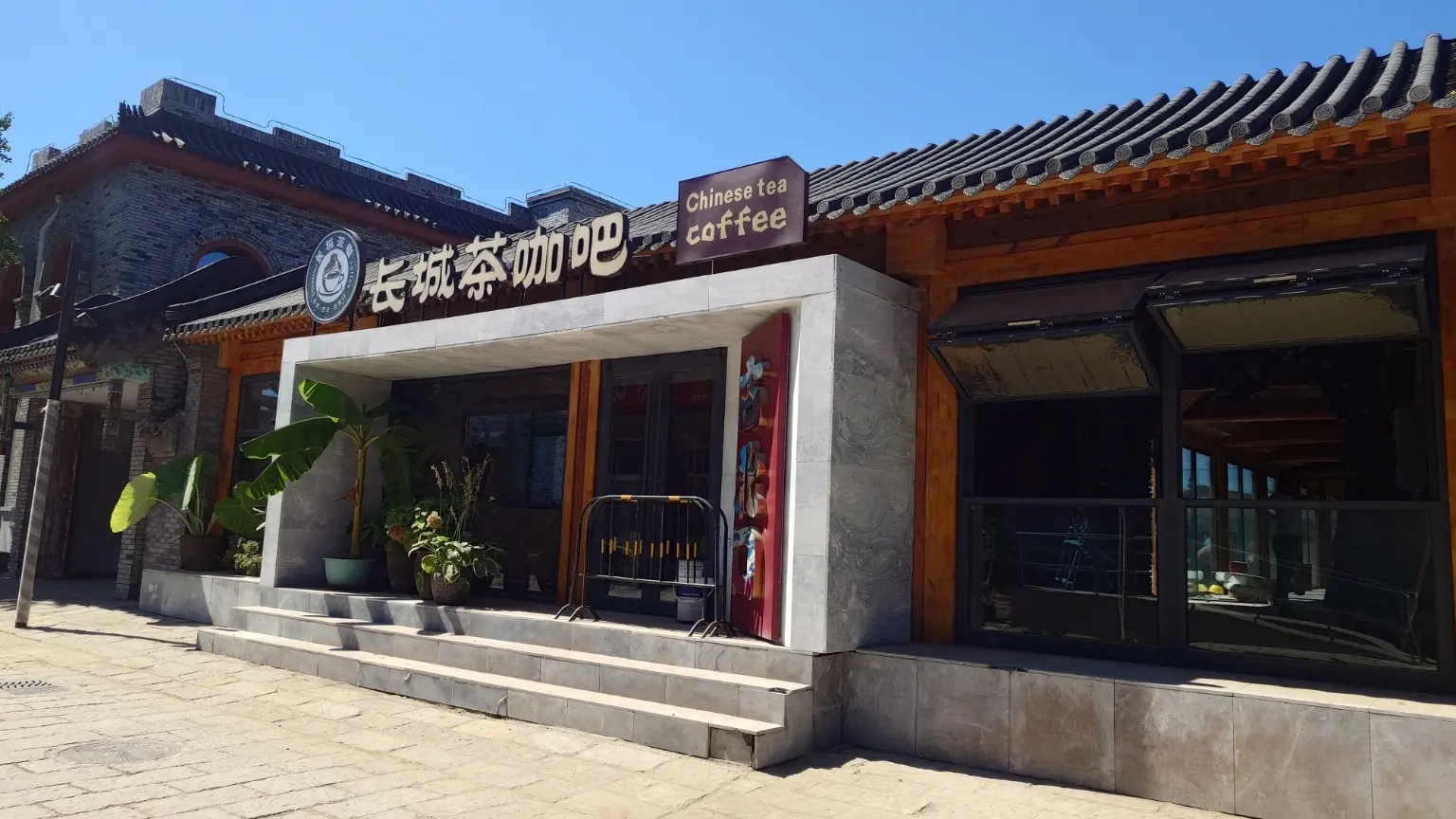
The rest of the infrastructure is ordinary and useful: a Beijing Rural Commercial Bank branch with a 24-hour ATM, cafés, shops and a local health clinic for basic medical needs and first response. A signed compound houses a local emergency team and a Miyun forest-fire squad. Gubeikou is a functioning town, not an isolated scenic village.
A living town leaves things unfinished
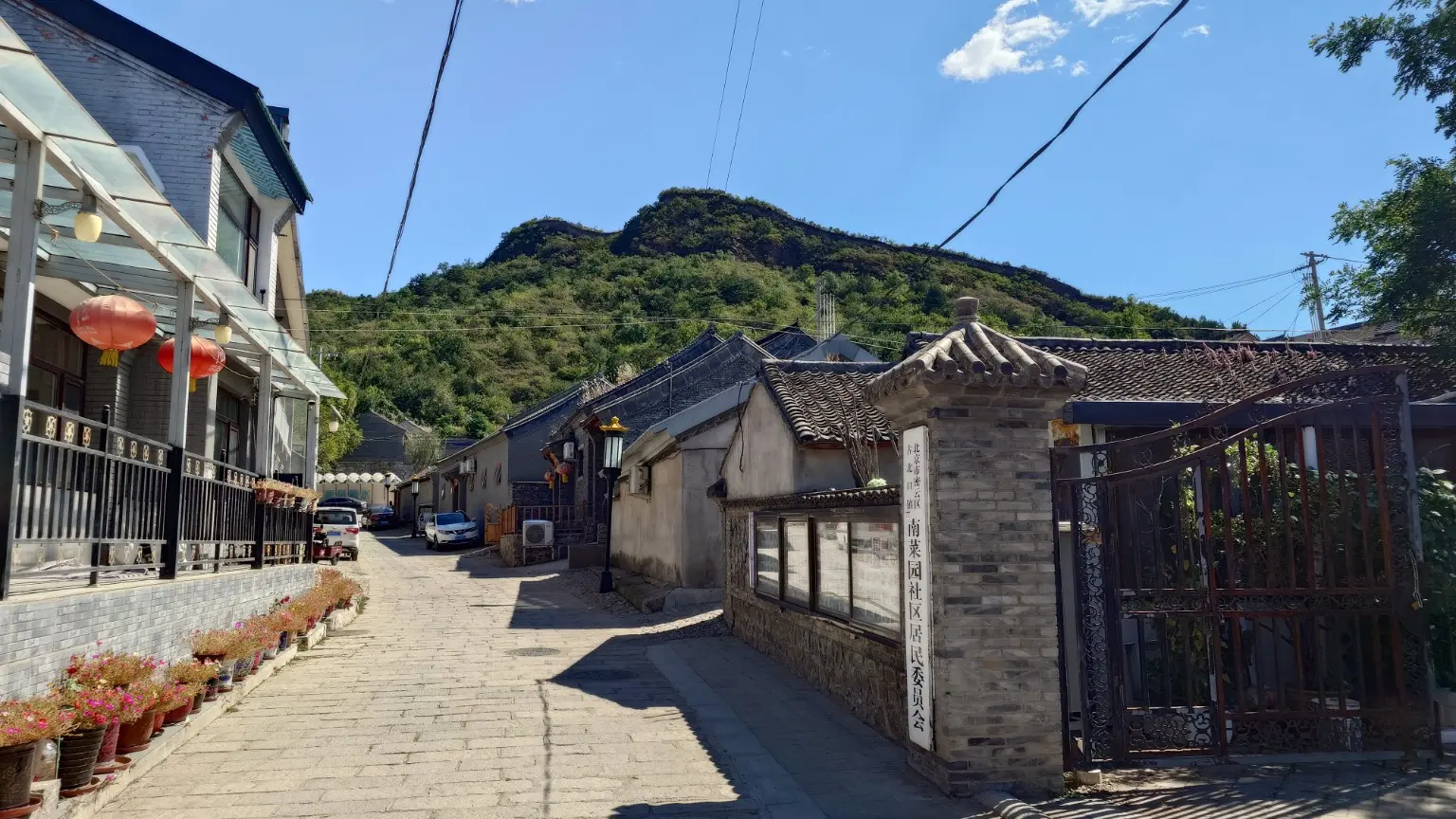
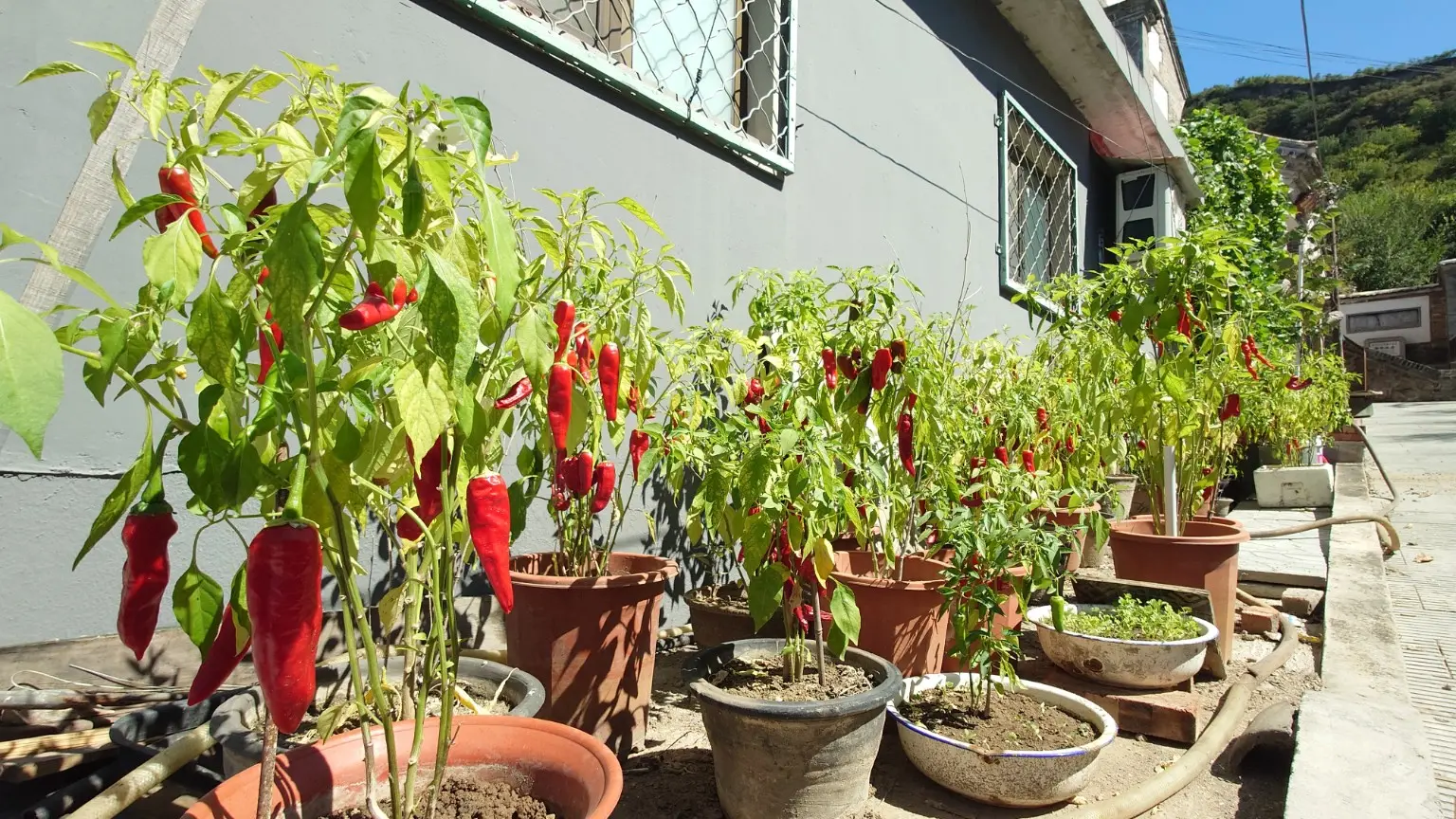
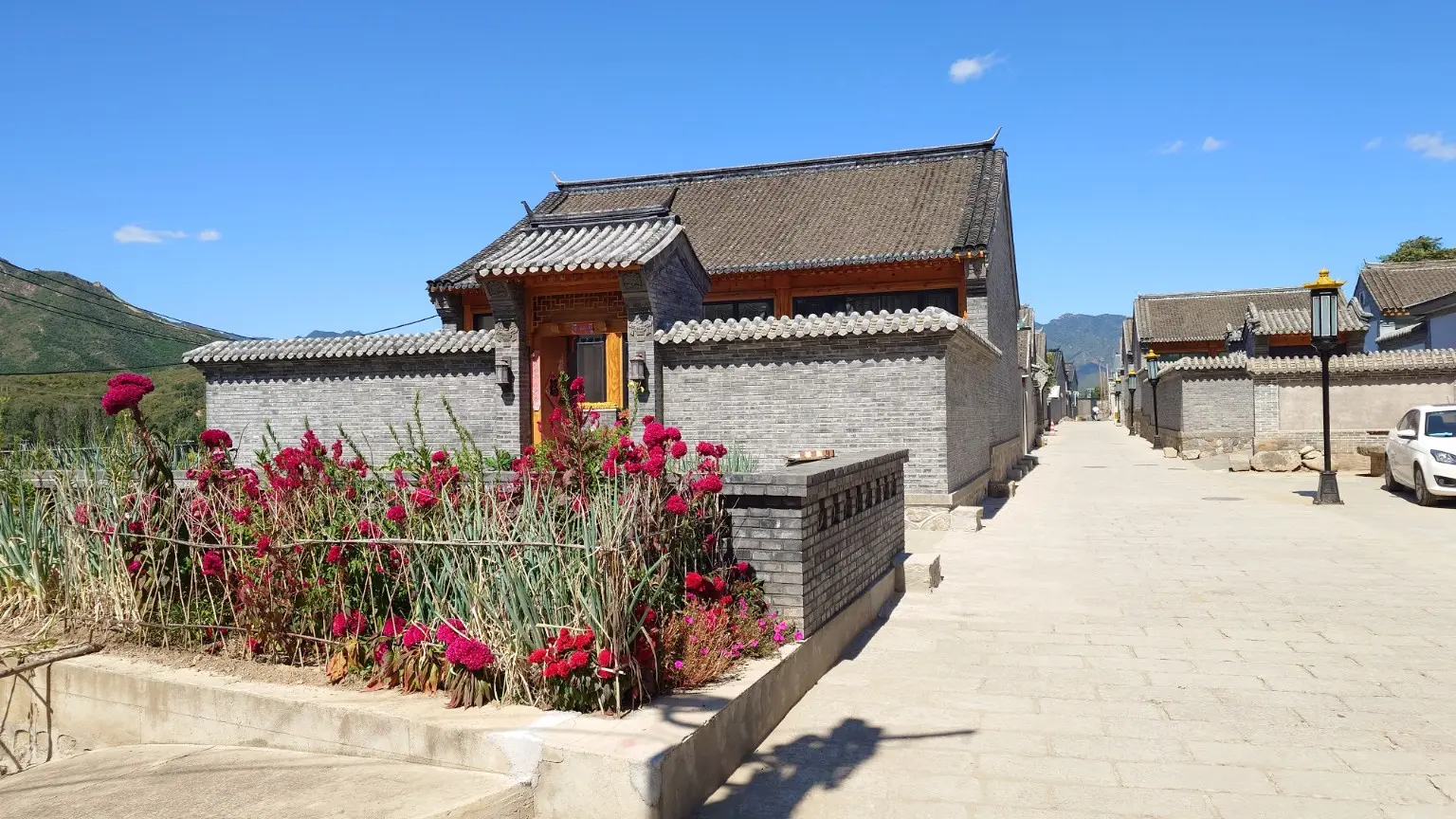
Gubeikou should not be read as a heritage theme park. Residents grow peppers against renewed walls, park electric tricycles outside old gates and leave tools beside tomorrow’s work. Gardens spill into lanes. Some homes are immaculate; others are raw, patched or overgrown. Construction sits inside daily life rather than behind a sealed development fence.
That mixture keeps the opportunity honest. A creator moving here would join a living town and work around existing rhythms, neighbours and buildings. The reward is character that cannot be ordered from a fit-out catalogue. The responsibility is to avoid turning every courtyard into the same beige lifestyle product.
A pass accumulates history
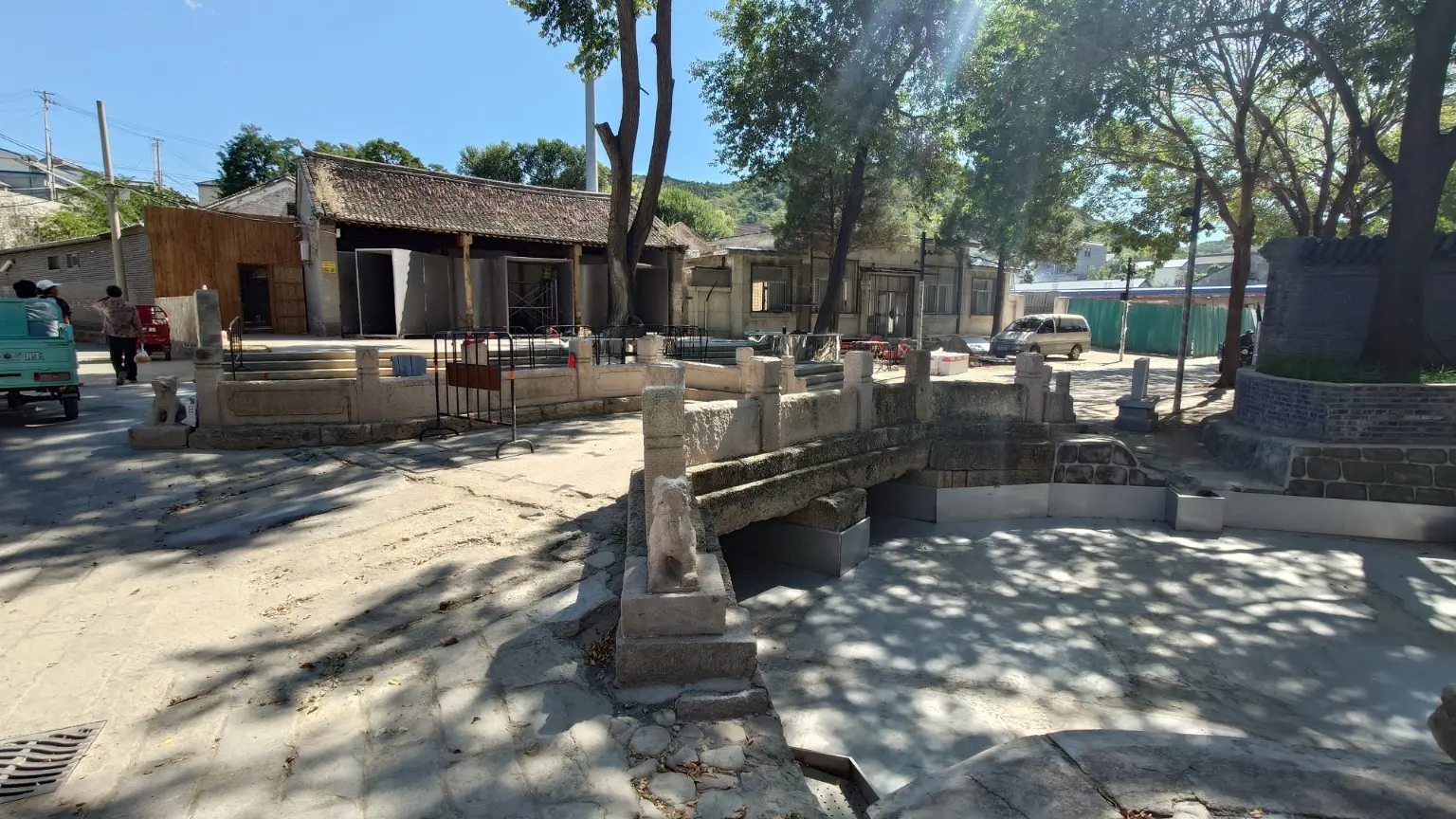
Gubeikou’s history reaches back to defensive works associated with the Yan state. Northern Qi walls, Ming fortifications and the town built in the early Ming period turned the gap between the mountains into one of the capital region’s essential gates. Qi Jiguang later strengthened this section of the Great Wall.
The pass was also a road. The Qing imperial route to Chengde crossed here, and official local history describes more than 160 businesses along the road at its commercial height. That older relationship between movement and trade matters to the present project: Gubeikou has spent centuries being shaped by people, goods and institutions moving through a narrow piece of geography.
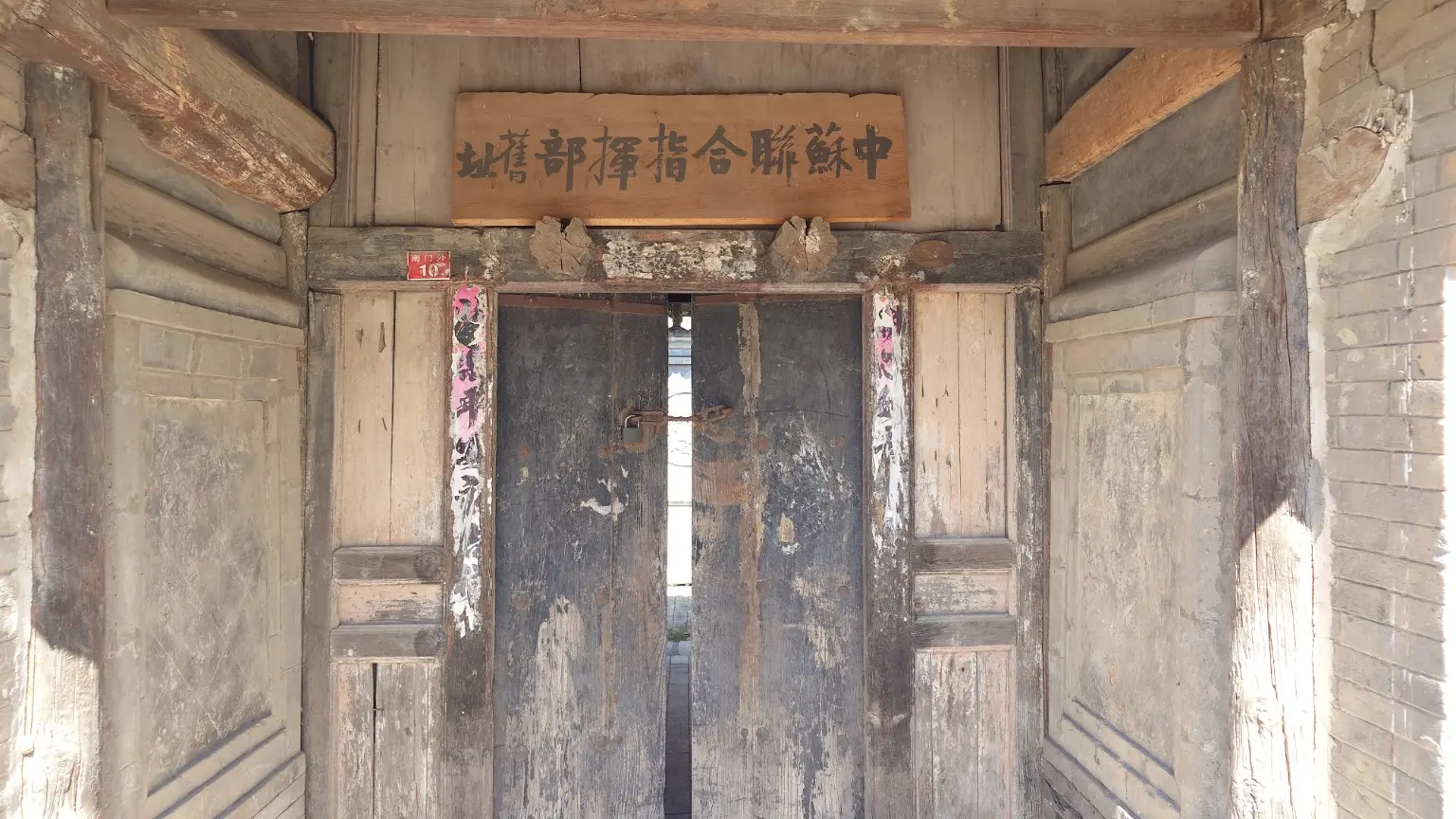
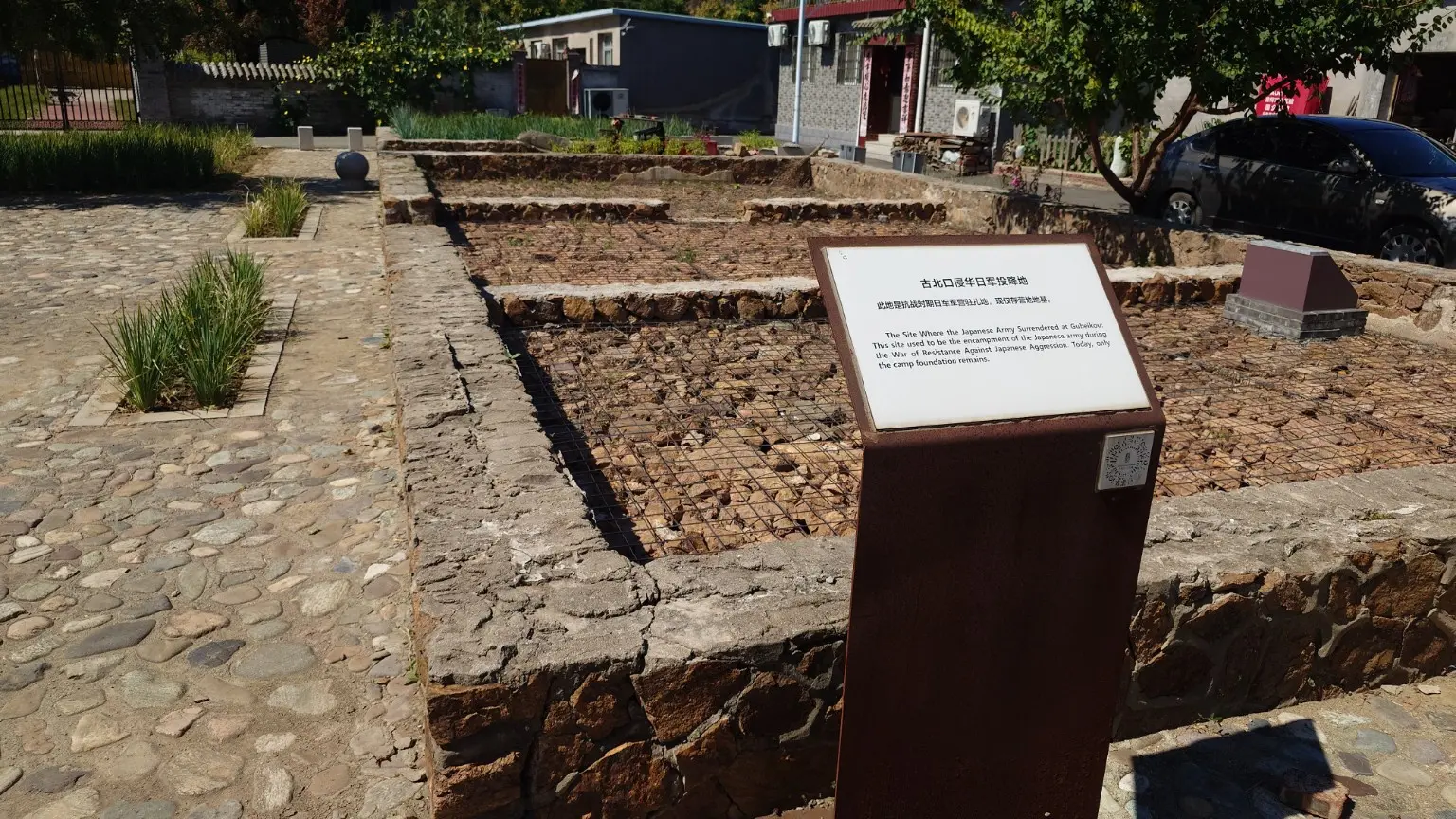
The twentieth century left a harder layer. Low stone foundations mark the former Japanese barracks and the place where Eighth Route Army and Soviet Red Army representatives accepted the surrender of the local Japanese force in September 1945. The former Sino-Soviet joint command site survives behind a weathered timber doorway. Their modest scale makes this history unusually direct.
The address decides
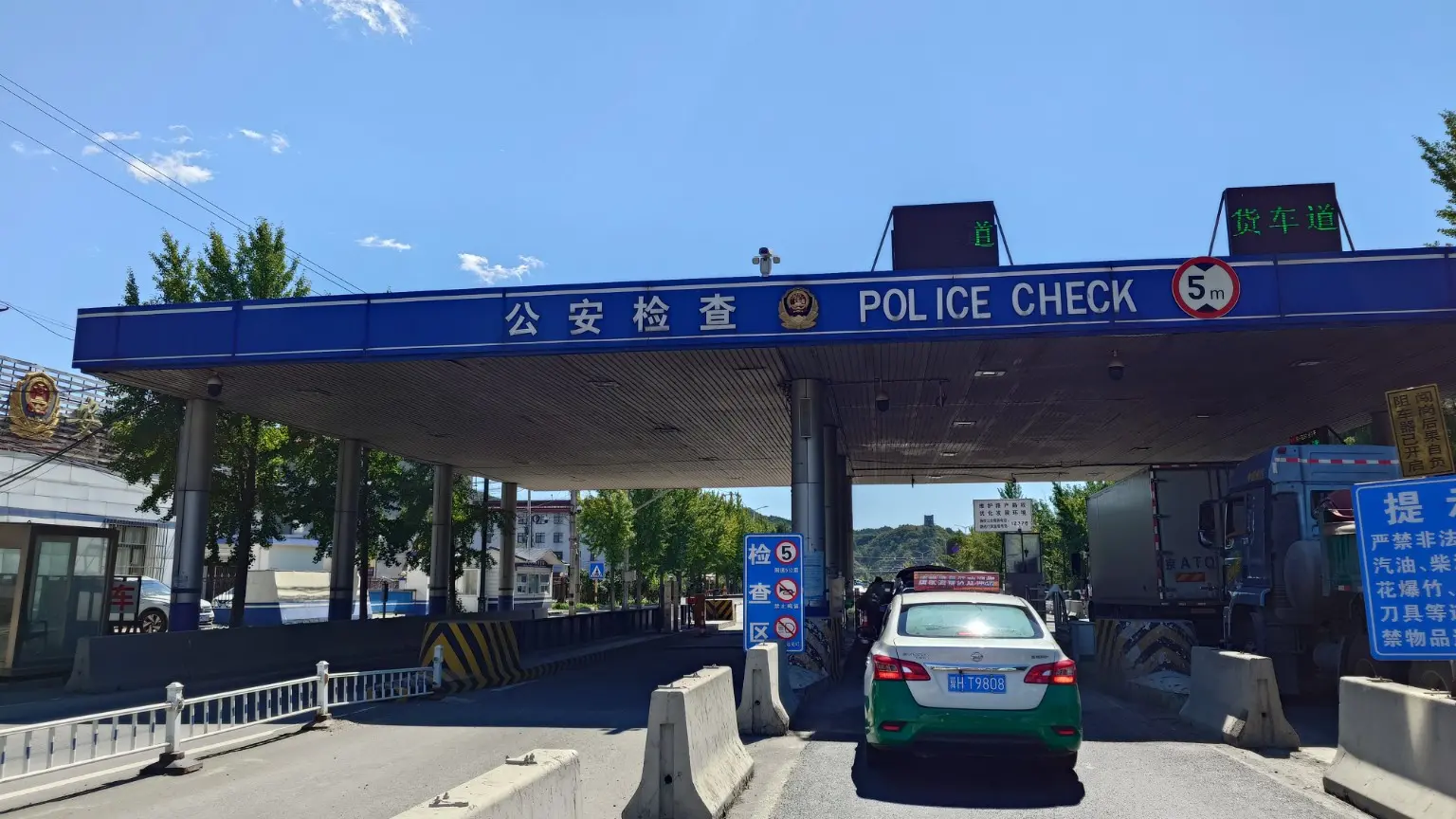
Gubeikou is inside Beijing and sits directly on its northeastern boundary. An inbound police checkpoint cuts across some routes back toward the city. If a house or shop is on the wrong side for your working pattern, a return trip can mean inspection and, when traffic is heavy, a queue.
This is where the cheapest house can become the worse deal. A raw courtyard to the north may save rent and offer more freedom to rebuild, then add the checkpoint to every Beijing-bound delivery, meeting, airport run or staff journey. Another property in the same town may avoid it.
I would stand at each candidate door, route the actual journey in both directions, then drive it during an ordinary weekday and a busy return period. Gubeikou’s opportunity is tangible: old rooms, repaired streets, empty shopfronts, government-backed recruitment and a signed international maker interface, all inside one of Beijing’s most powerful Great Wall landscapes. The work has started. The town has not finished deciding what it will become. Build at the pass—but choose the exact side of it first.