Why now: the town is recruiting an operating layer
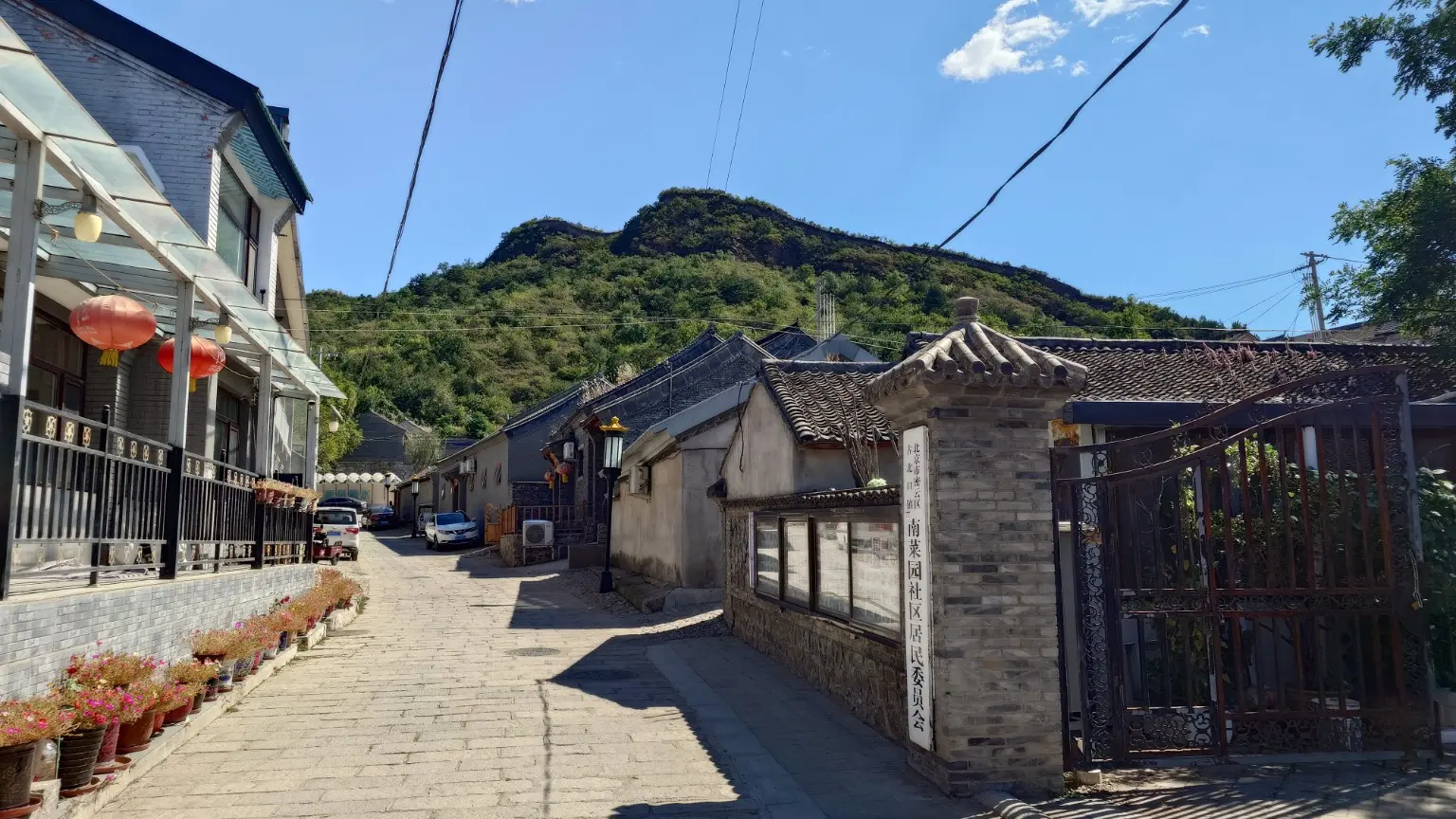
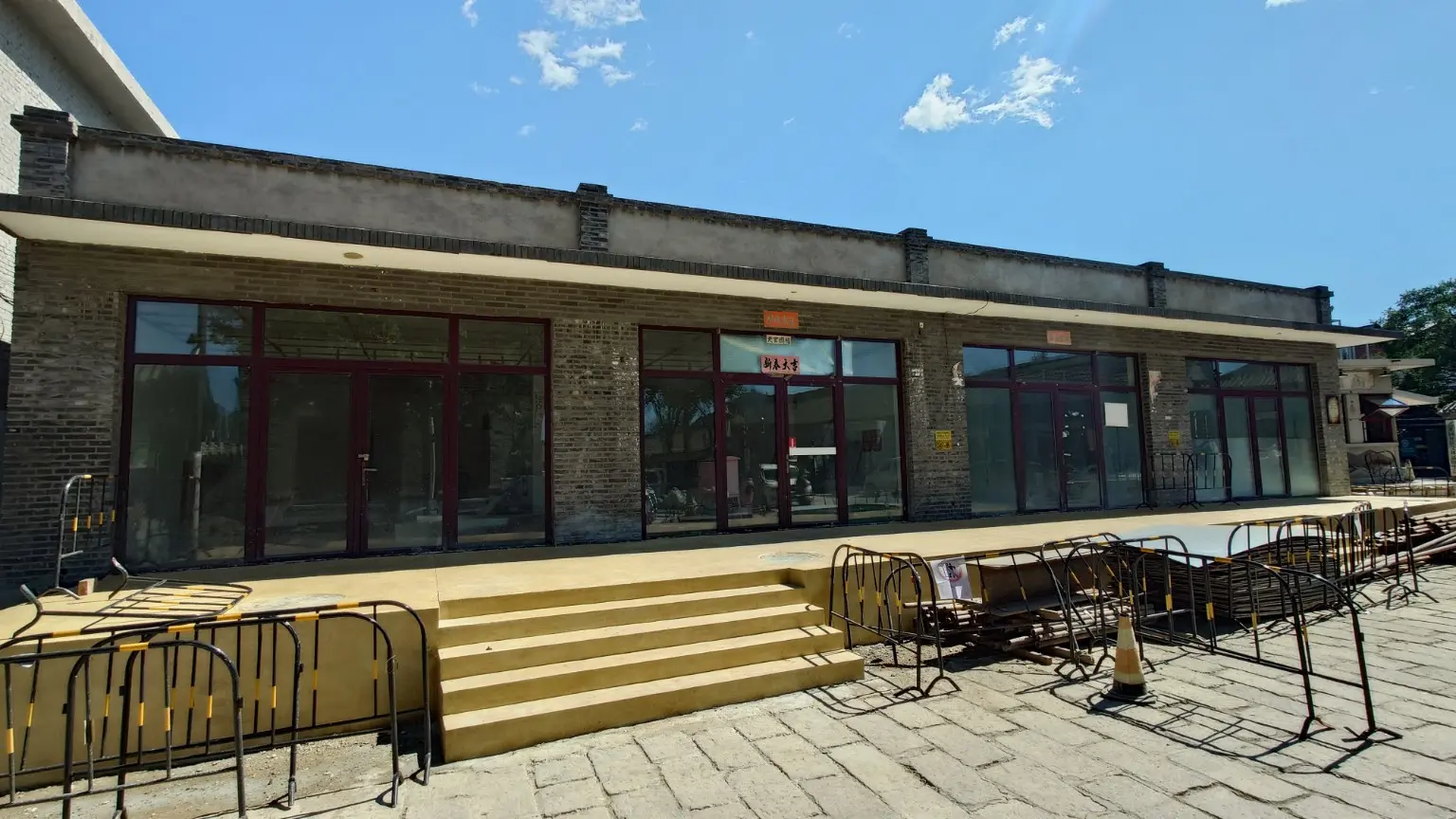
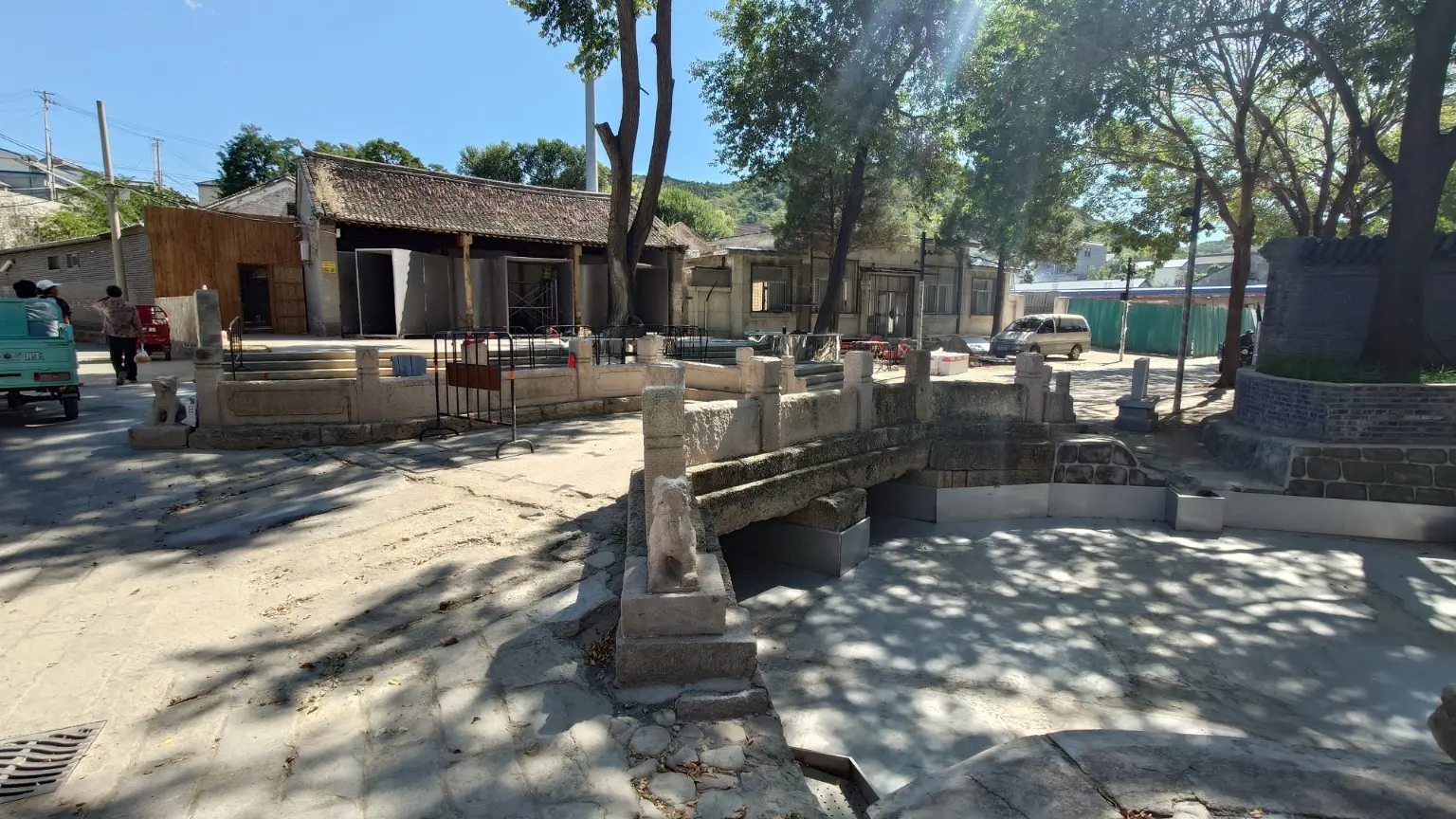
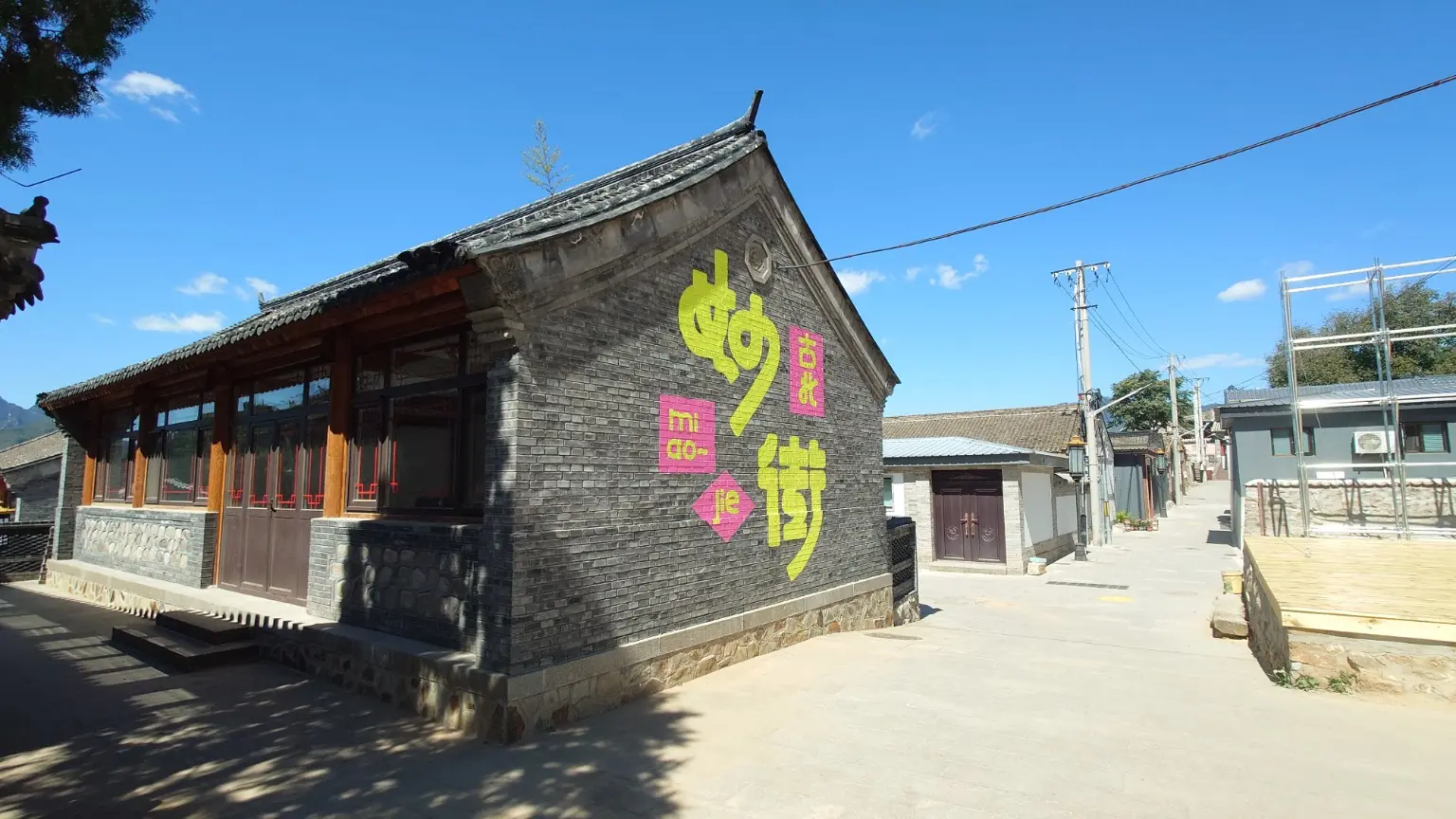
Gubeikou is in the middle of a visible rebuild. Old houses, shopfronts and public spaces are being repaired across the town, while a government-organised competition is recruiting the people who might operate them. This is a live entry window, not a retrospective regeneration case study.
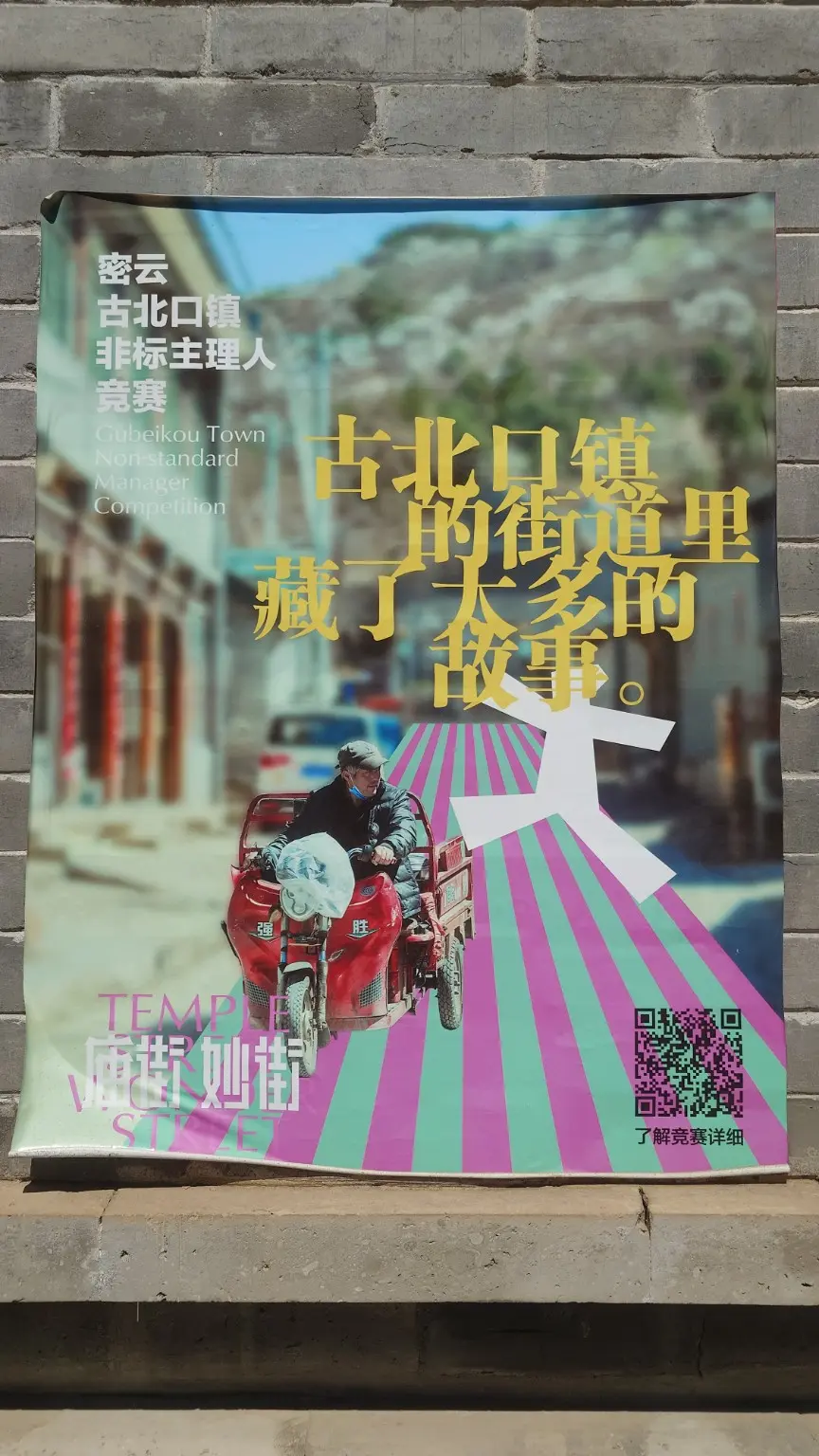
The official Gubei Miao Street competition opened its two tracks to global submissions: one for activating the 1.4-kilometre historic street through spatial design, and another for non-standard commercial operators. Coffee, food, retail, art and other founder-led formats were represented at the launch. Winning teams are meant to be connected with the town government and relevant resource partners so proposals can move toward implementation.
Who this location may fit
Look closely if the business benefits from characterful physical space: a craft or design studio, small gallery, cultural or heritage practice, workshop-led retail concept, independent café, learning programme, residency, or a compact hospitality idea with a credible reason to belong in an old pass town.
Gubeikou is less convincing for a business that only wants the cheapest possible room and expects city-centre convenience to follow. The upside comes from combining a place, a programme and a public-facing idea. Operators willing to shape unfinished space have more ways in than those searching only for a turnkey office.
Three ways into the same town
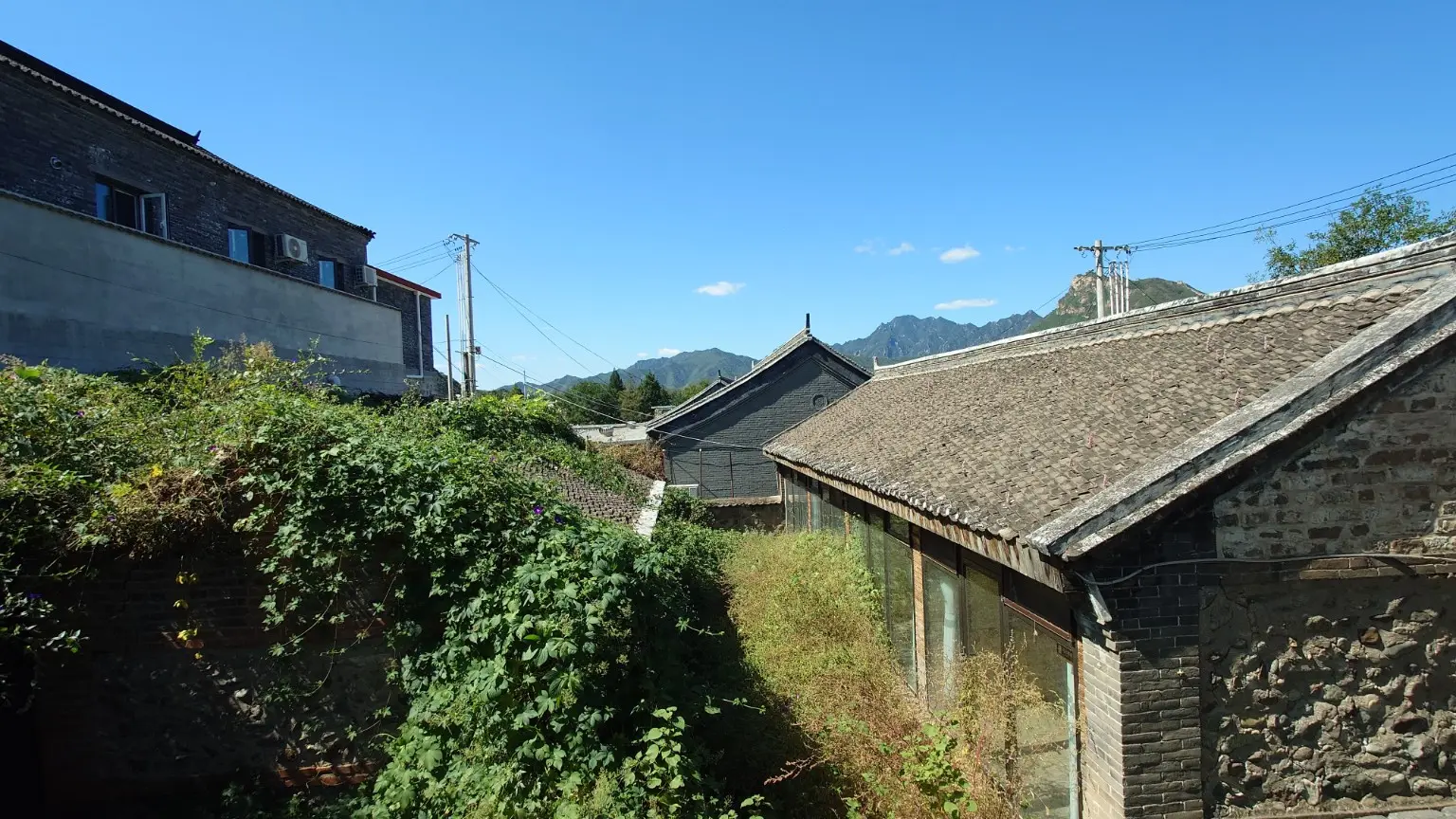
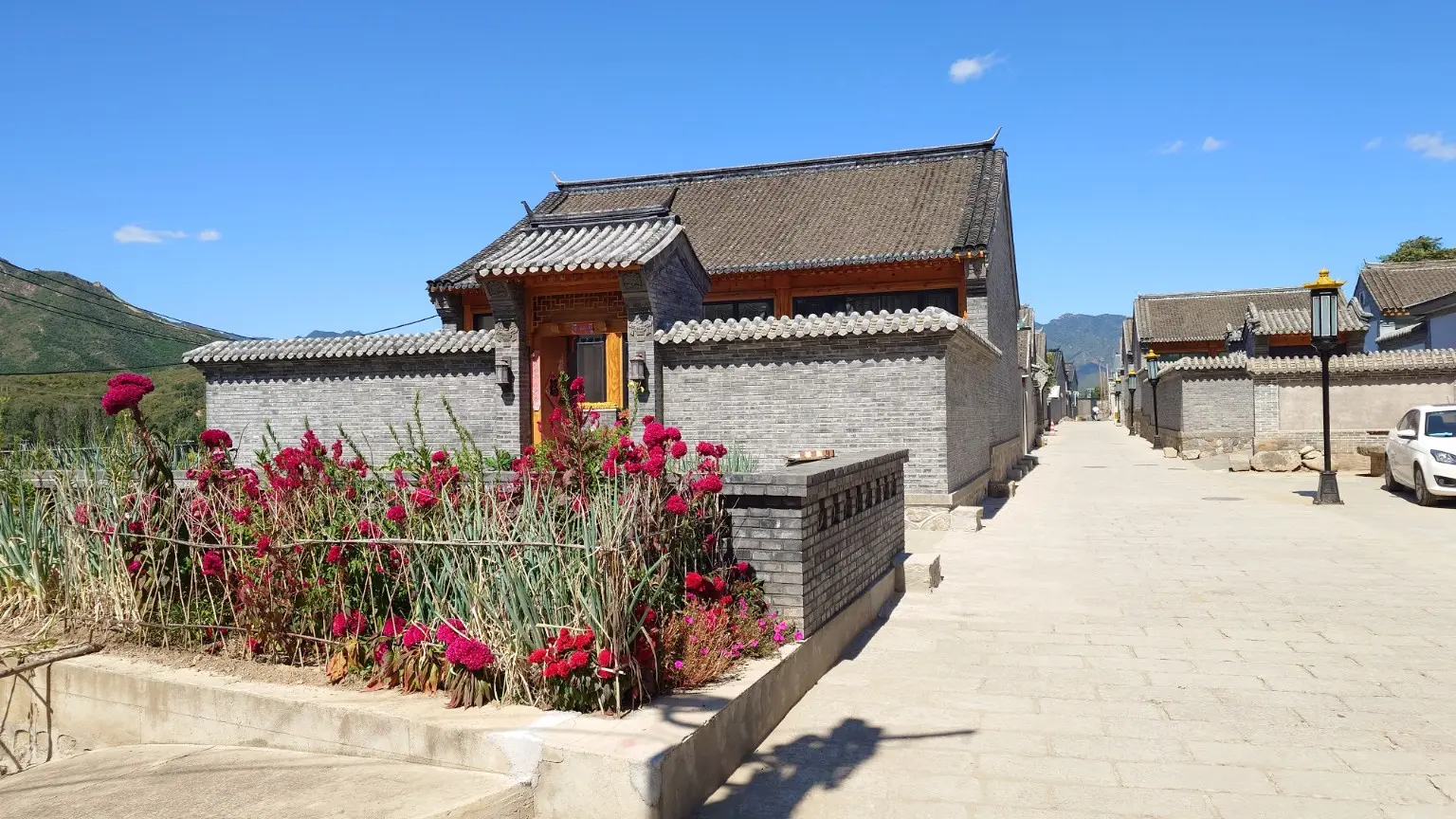
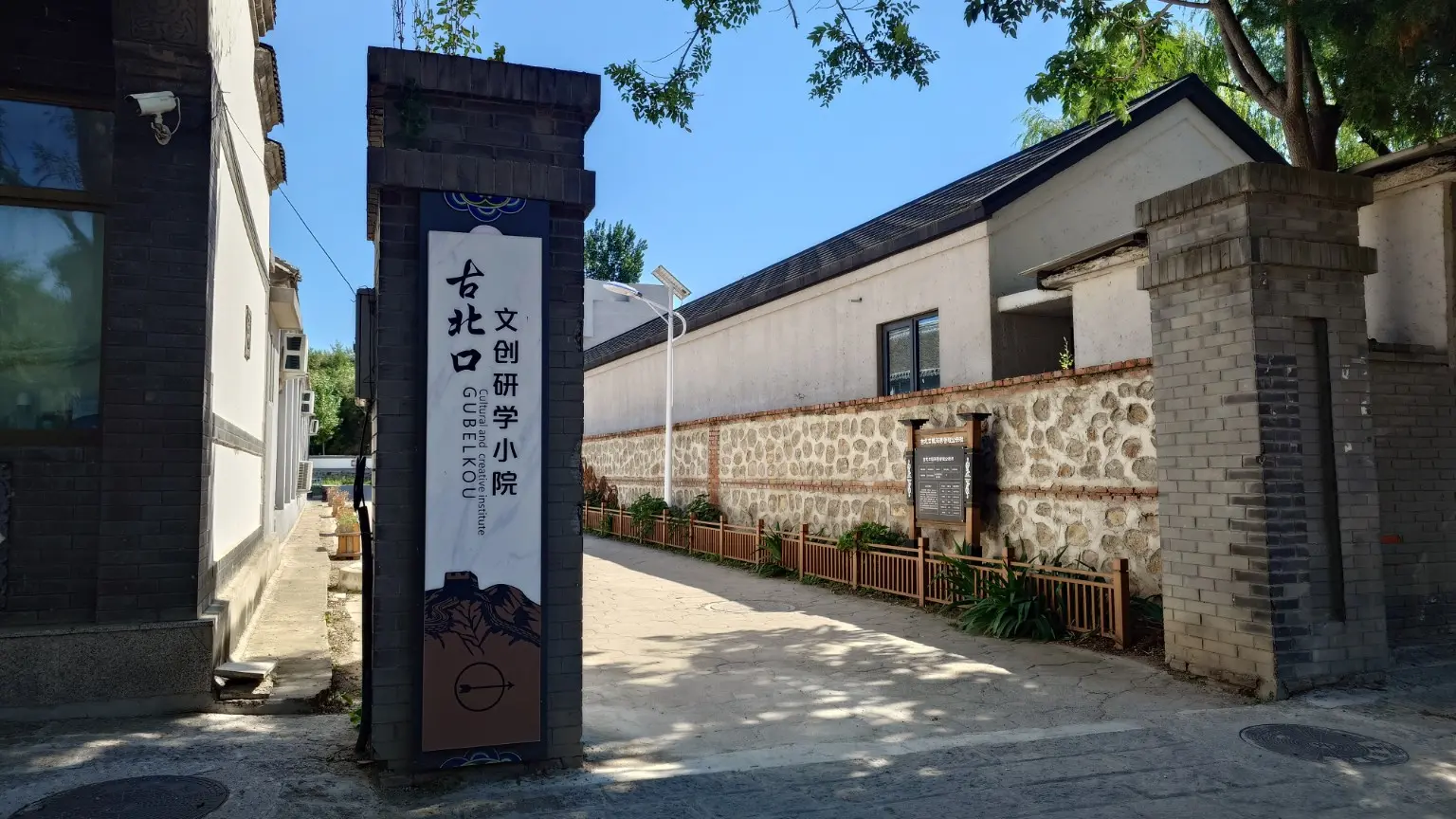
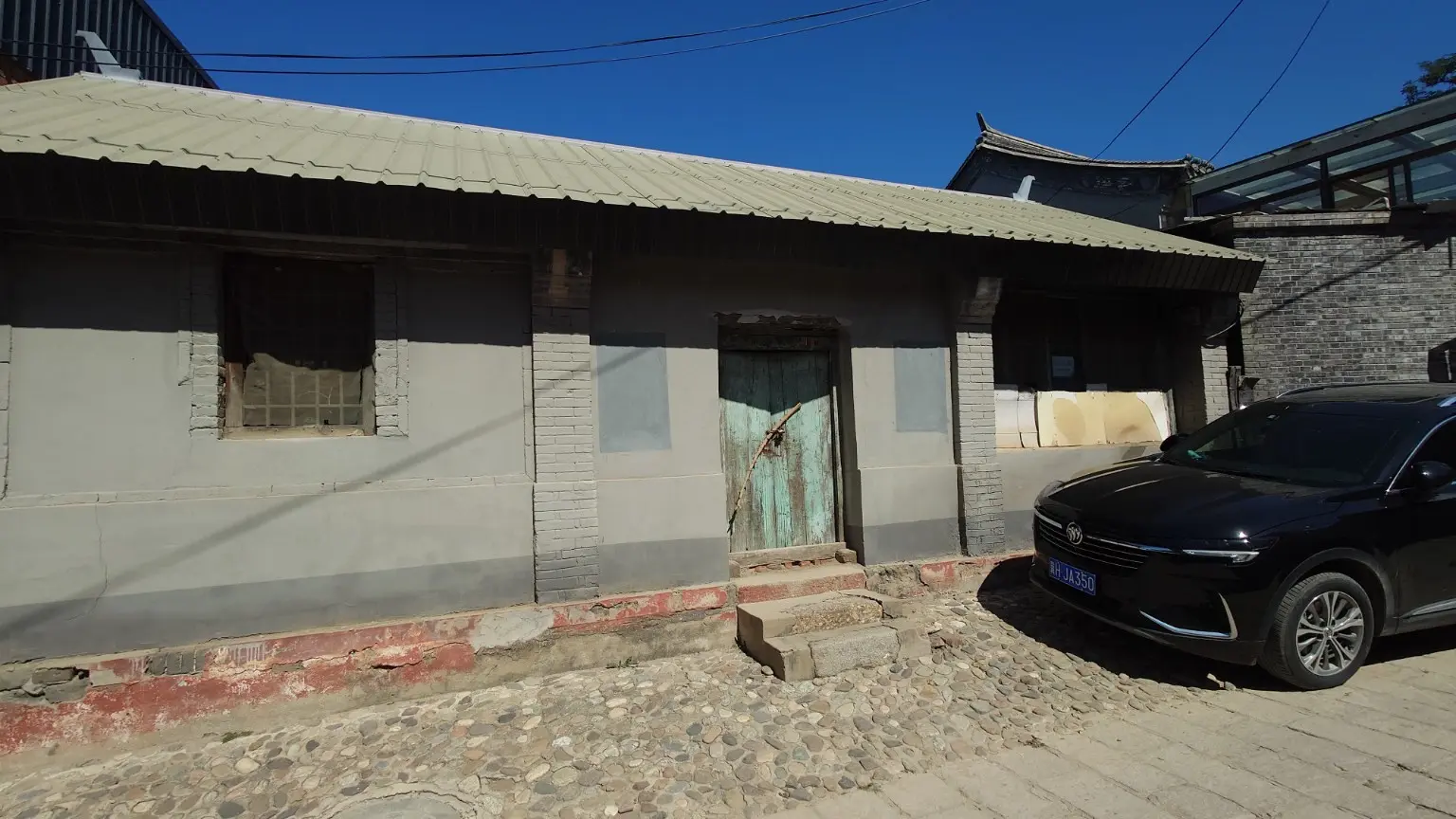
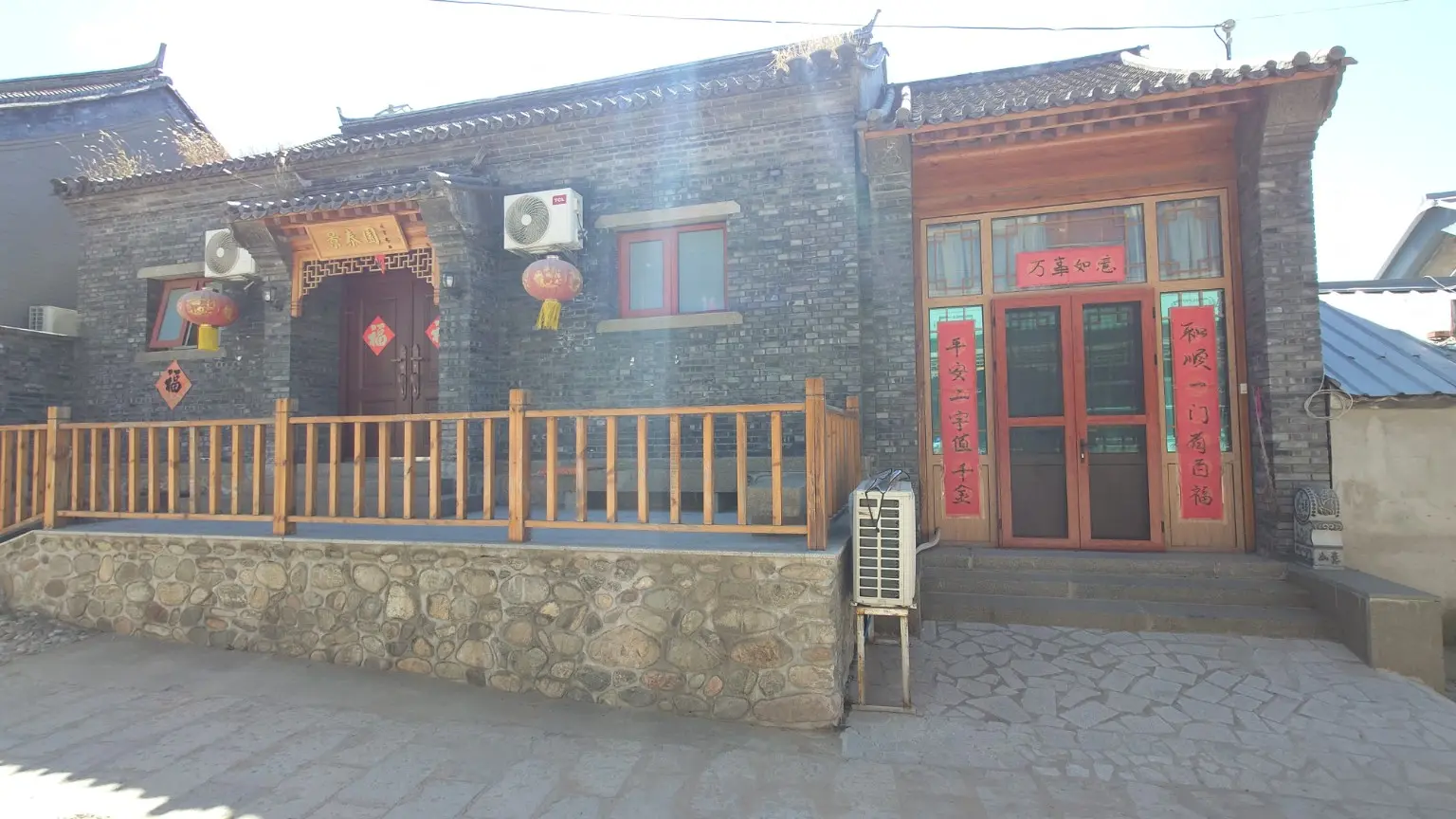
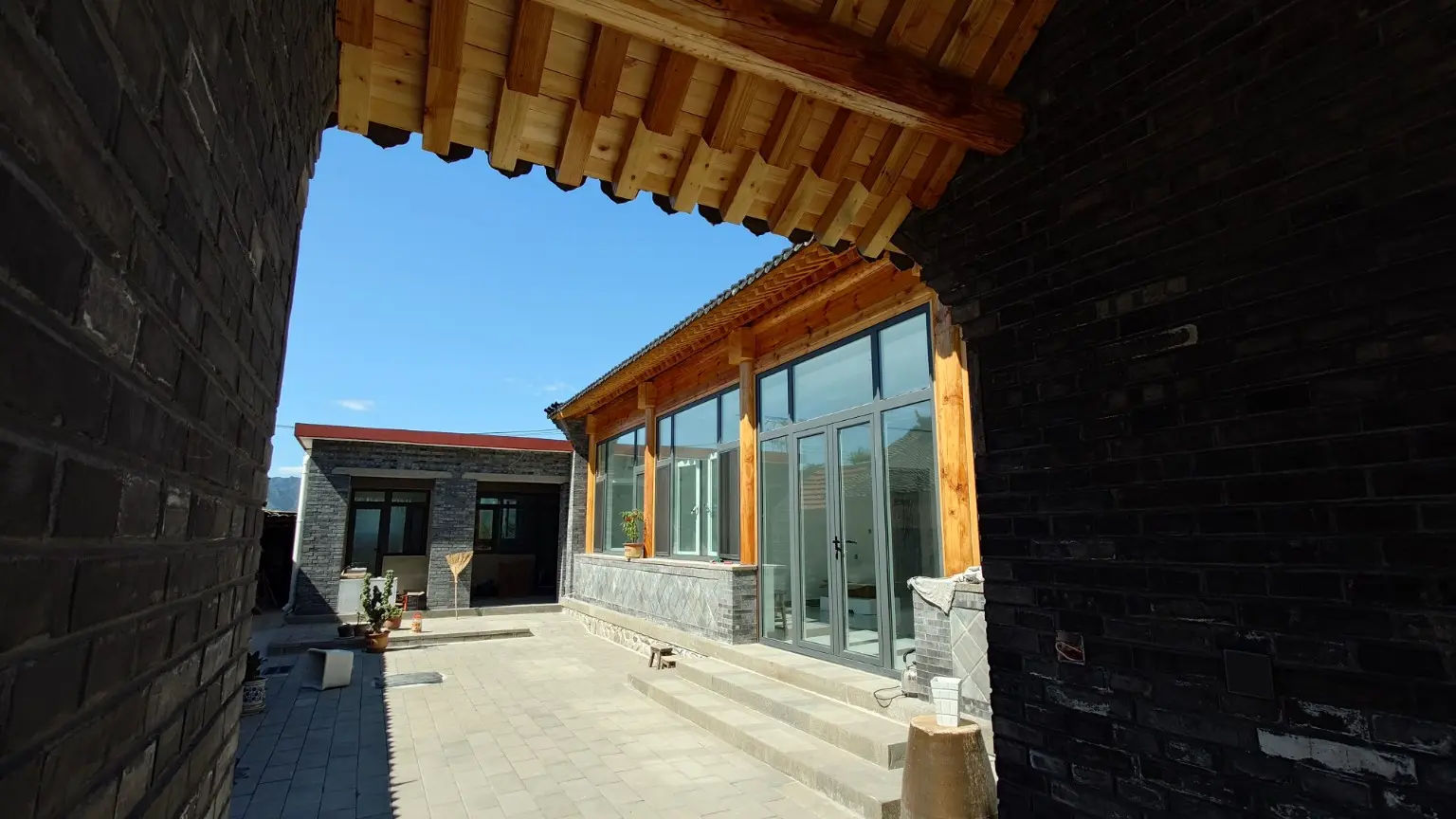
The field evidence suggests three practical space routes. First, pay more for a good central courtyard or shop that is already repaired or close to ready. Second, take a structurally coherent house with partial upgrades and complete the fit-out. Third, lease a raw old courtyard at a much lower annual rent and accept a serious restoration budget, longer preparation period and more owner coordination.
Local asking-price conversations produced a very wide range. Better-positioned courtyards and commercial spaces may exceed RMB 100,000 a year. Some unrepaired old courtyards were discussed around RMB 8,000–10,000 a year, while the work required could exceed RMB 100,000. These are field observations and local asking-price intelligence, not town-wide averages or completed transactions.
Over a long lease, the raw-space route can still produce a lower total occupancy cost and far more control over the result. Run the whole term, fit-out, heating, drainage, wiring, fire, maintenance and exit risk together. A low annual figure by itself does not describe the deal.
What already works at town scale
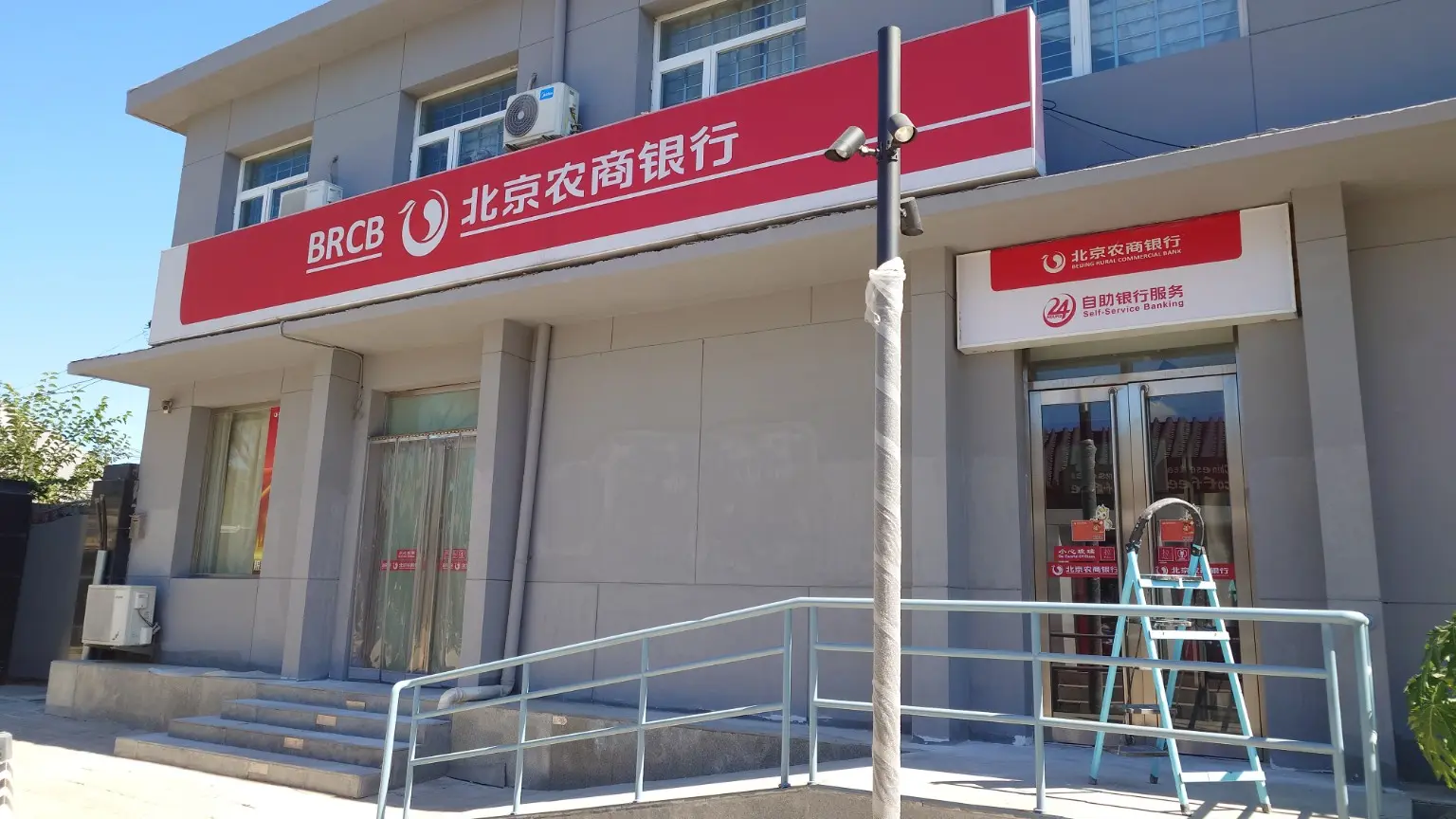
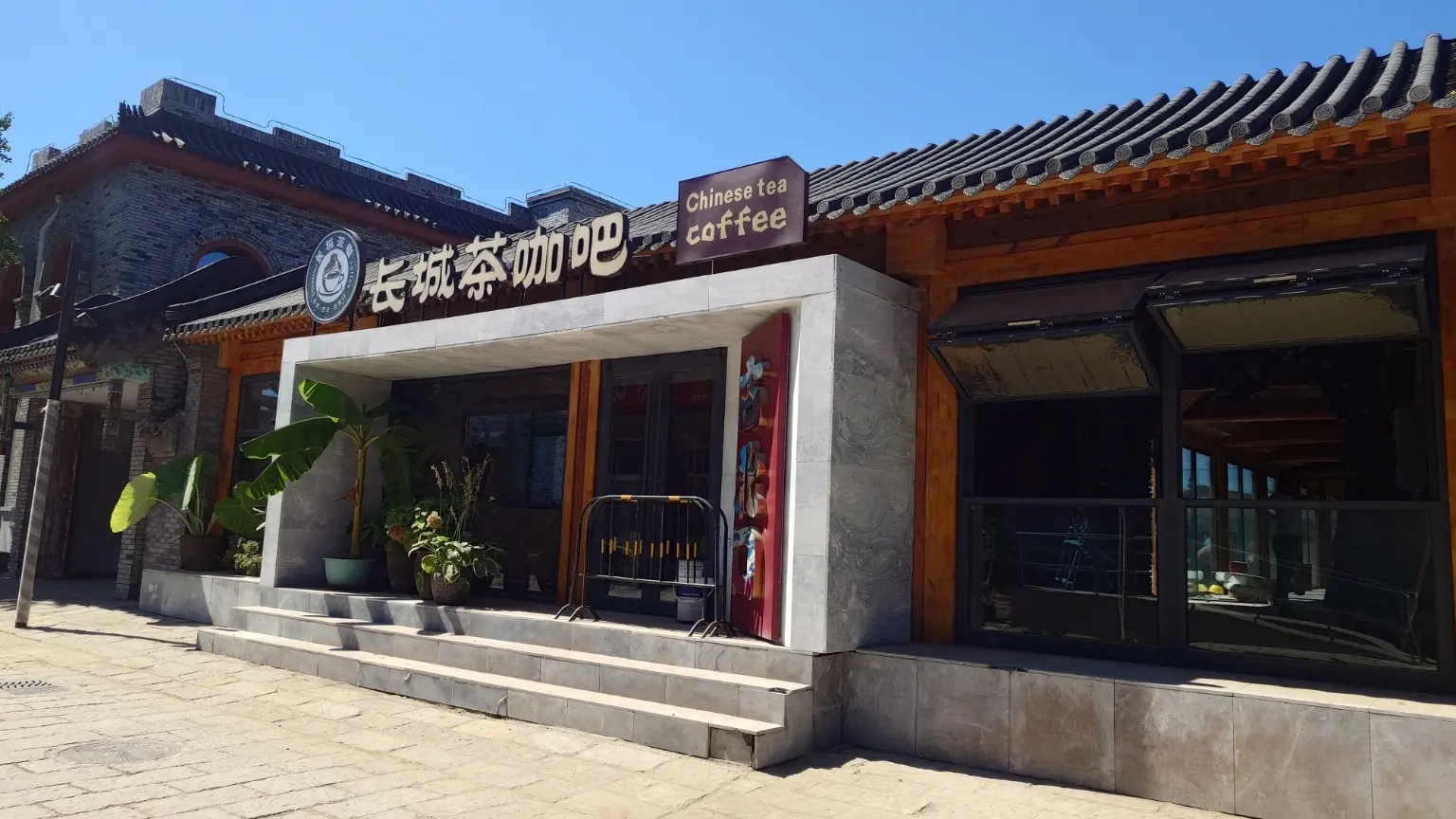
Gubeikou is a town, not an isolated natural village. Daily operating infrastructure includes a bank with a 24-hour ATM, cafés, ordinary shops and a local health clinic for basic medical needs and first response. The clinic was confirmed during field research but is not pictured here; hospital-level care still means travelling farther into Miyun or Beijing.
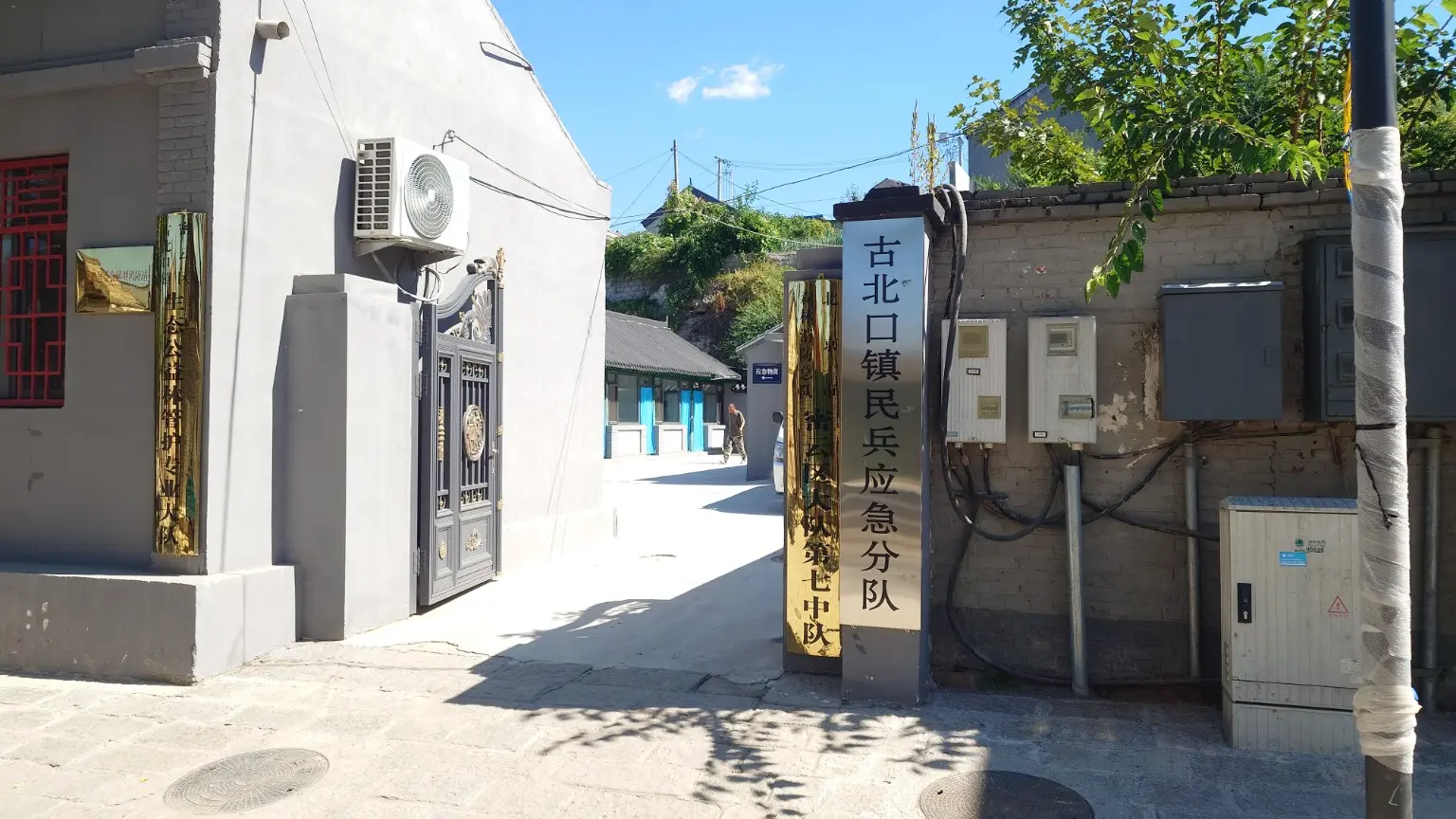
A signed compound houses the Gubeikou Town militia emergency team and the Miyun district seventh forest-fire squad. Their presence matters in a mountain setting exposed to fire, severe weather and geological risk. It is evidence of nearby response capacity, not a reason to skip address-level safety checks.
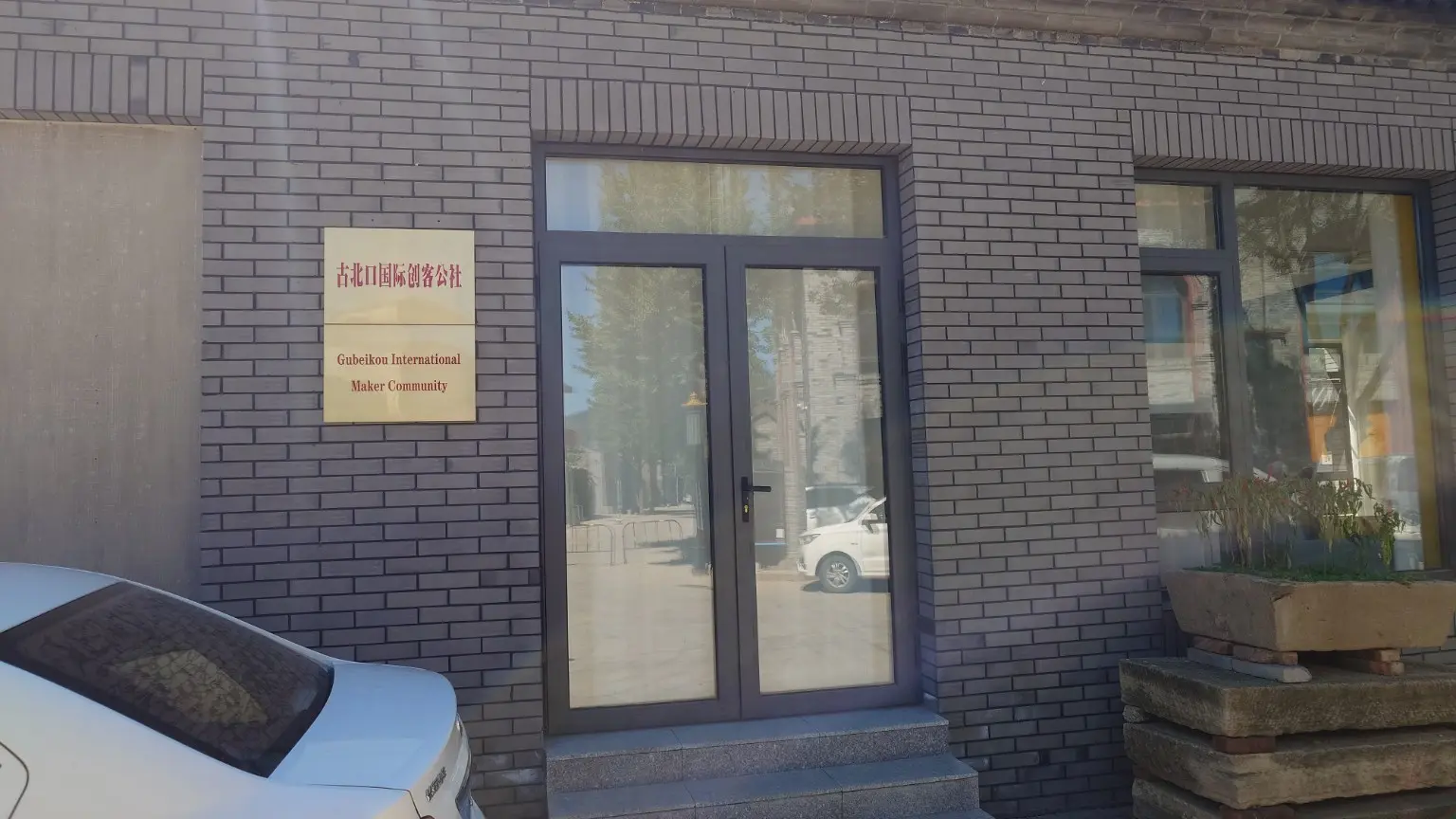
The bilingual Gubeikou International Maker Community sign is the strongest international landing signal. The field visit did not establish its ownership or operating model, so I would not invent a service menu. Its physical presence does establish that international makers and operators have an identifiable local interface rather than only a generic invitation to foreigners.
Build without erasing the old fabric
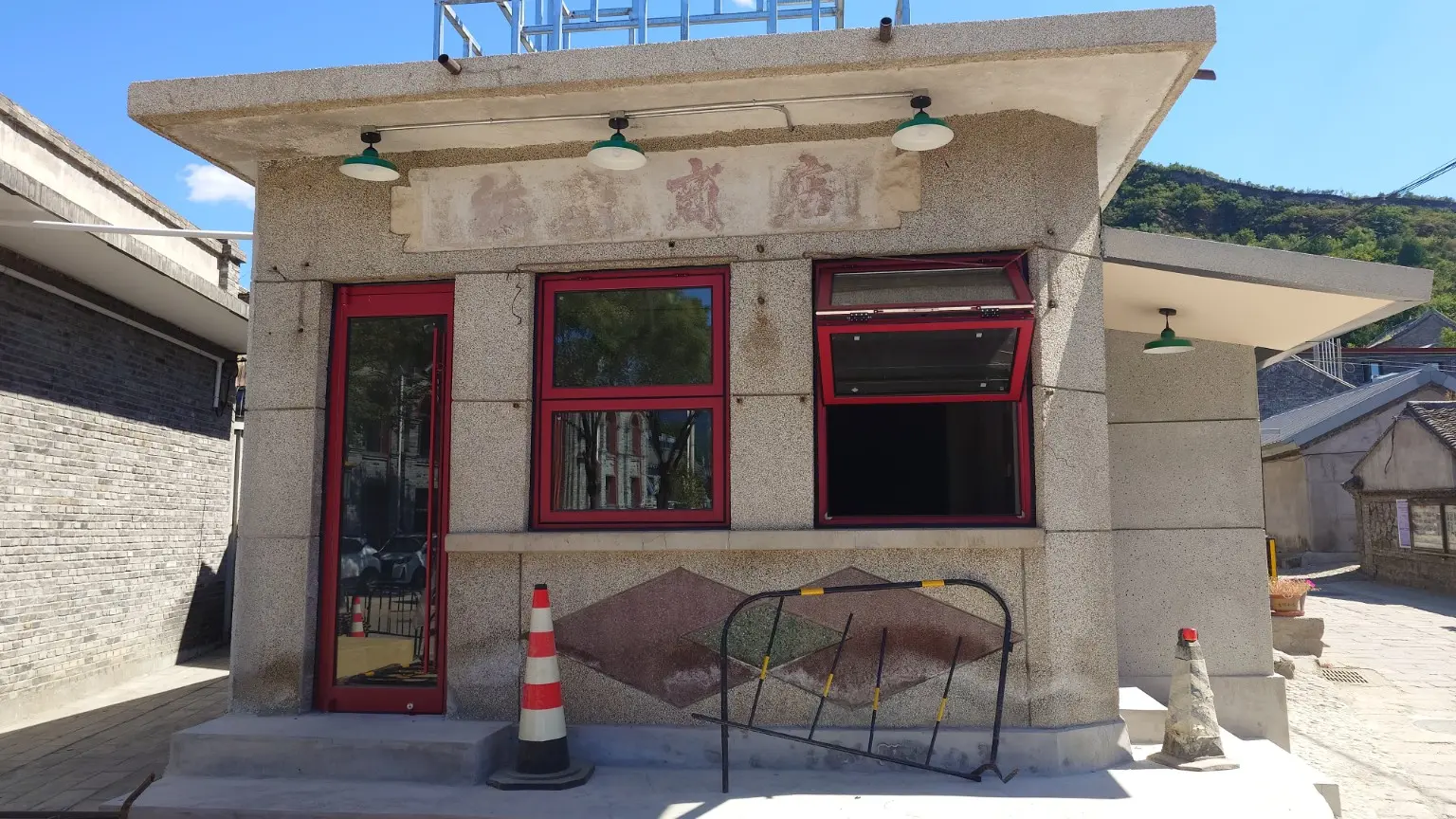
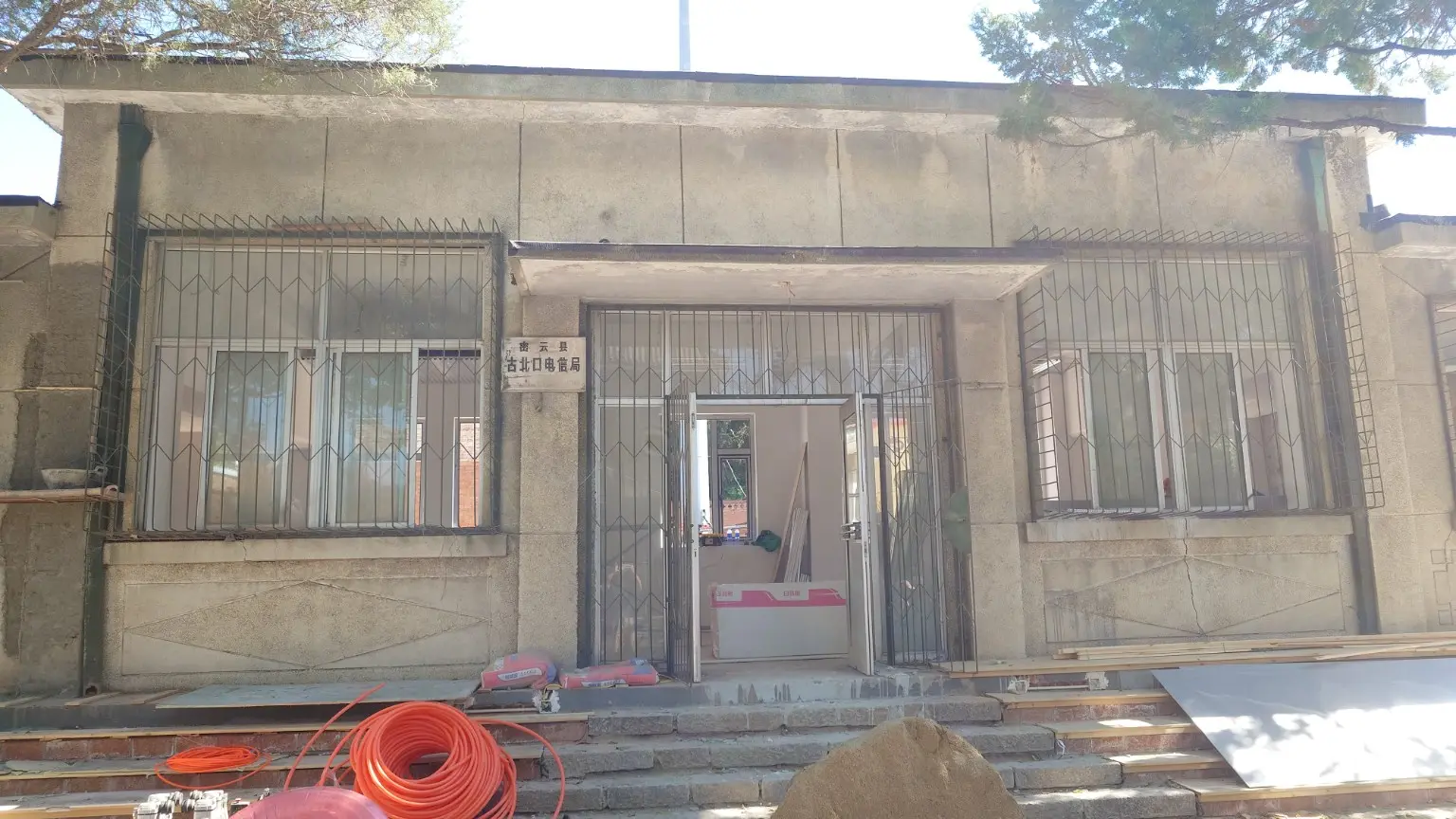
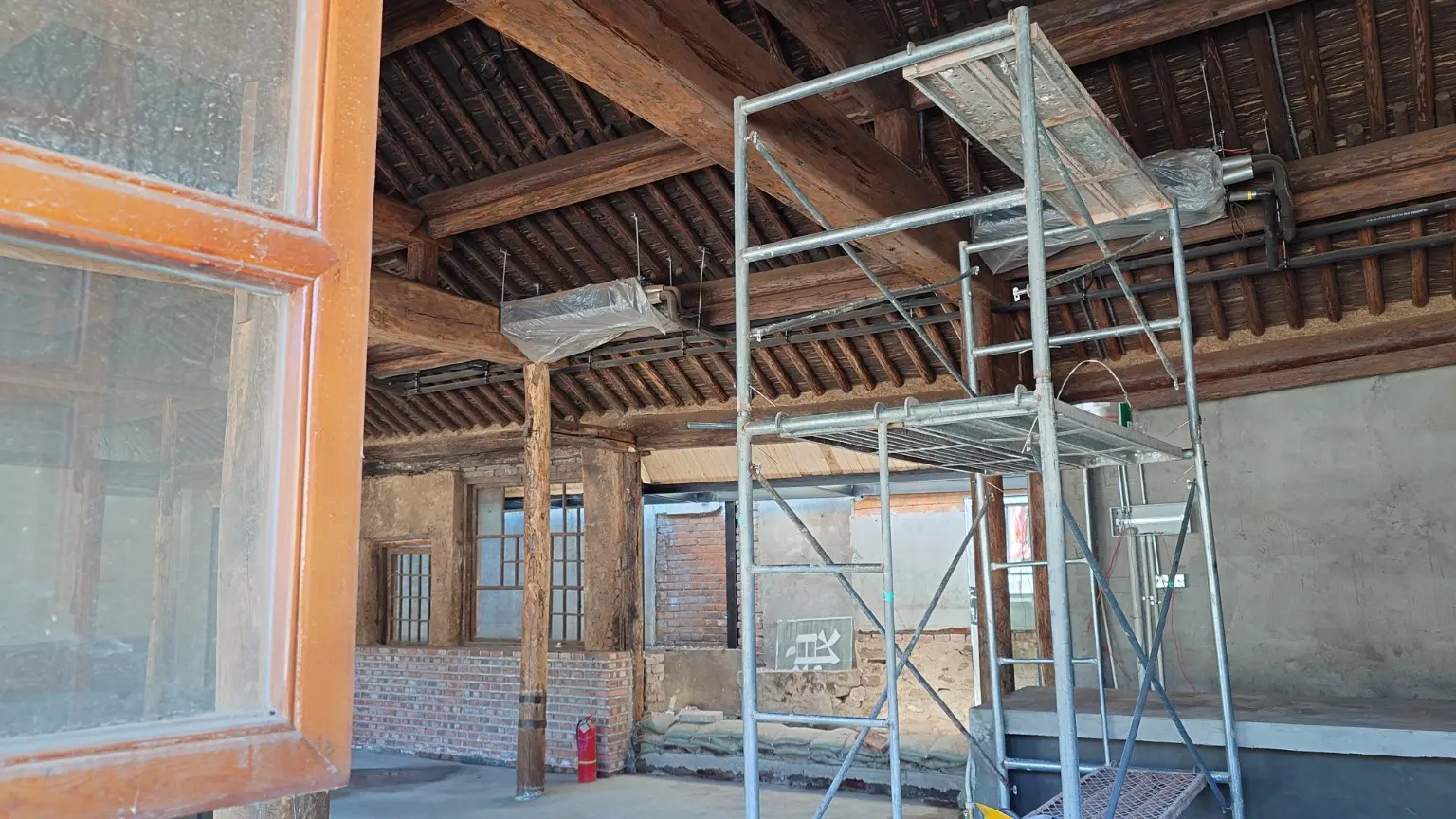
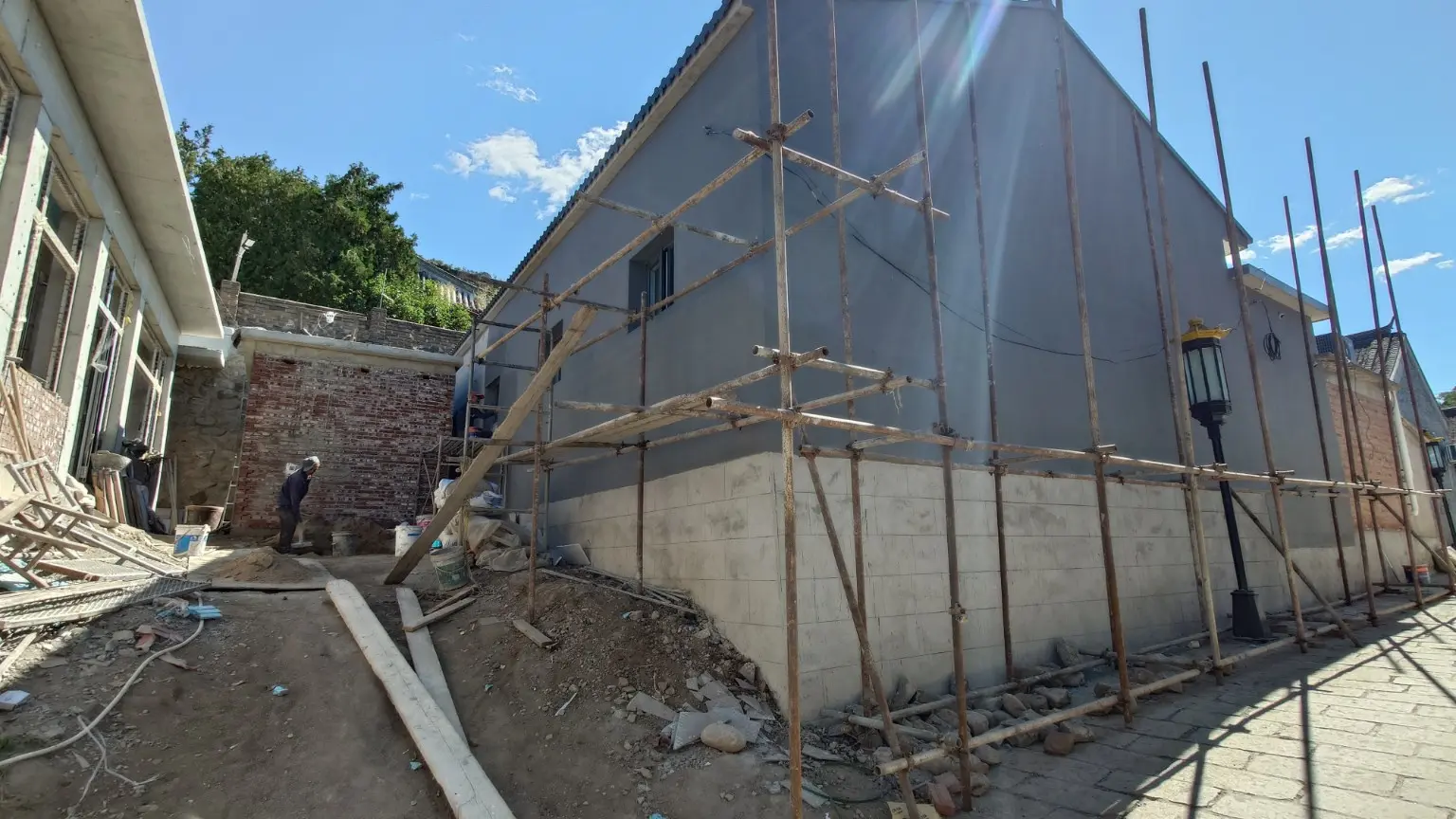
The useful construction story is not a neat before-and-after montage. Work is happening in multiple stages at once: an old telecommunications building stripped back for reuse, new glass arriving behind inherited masonry, timber rooms receiving modern services, and long shopfronts waiting behind barriers for the street to catch up.
Several projects retain the overall house, courtyard or roof structure instead of clearing the site. That gives a new operator something more valuable than decorative nostalgia: a legible old building that can carry contemporary work. It also means hidden condition, contractor quality and approval responsibility deserve more attention than the façade alone.
Inside a real historic pass town
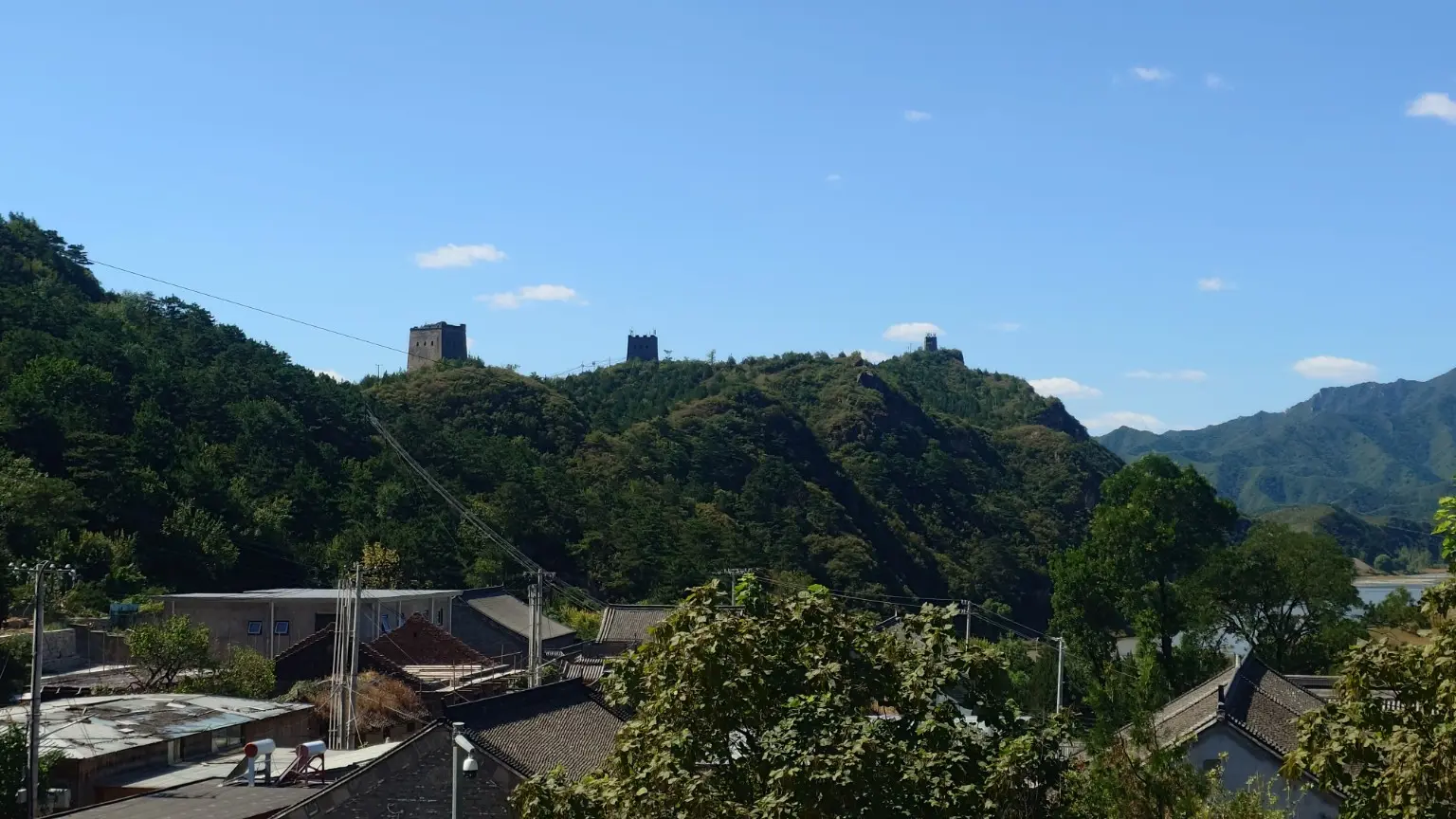
The Great Wall is not a distant attraction from Gubeikou. Towers rise above the roofs, the wall crosses the surrounding ridges, and routes from town lead directly into the fortification landscape. Waking up inside that geometry is difficult to reproduce elsewhere.
Official town history traces local defences to the Yan state and records later Northern Qi and Ming wall-building. The town walls date to the early Ming period, and the pass remained a major north–south corridor. The Qing imperial road passed through on the Beijing–Chengde route; official tourism history describes more than 160 businesses lining it at its height.
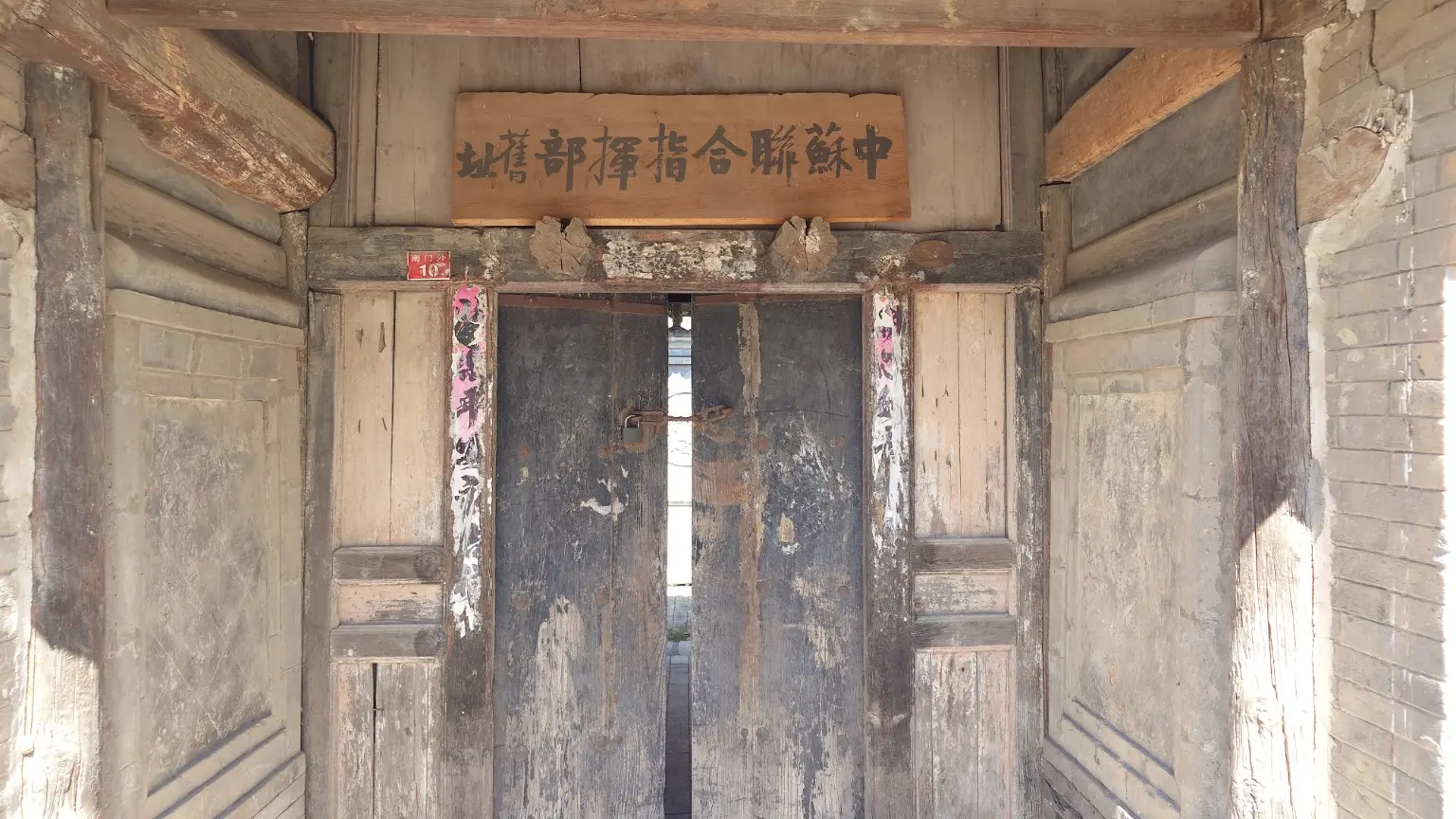
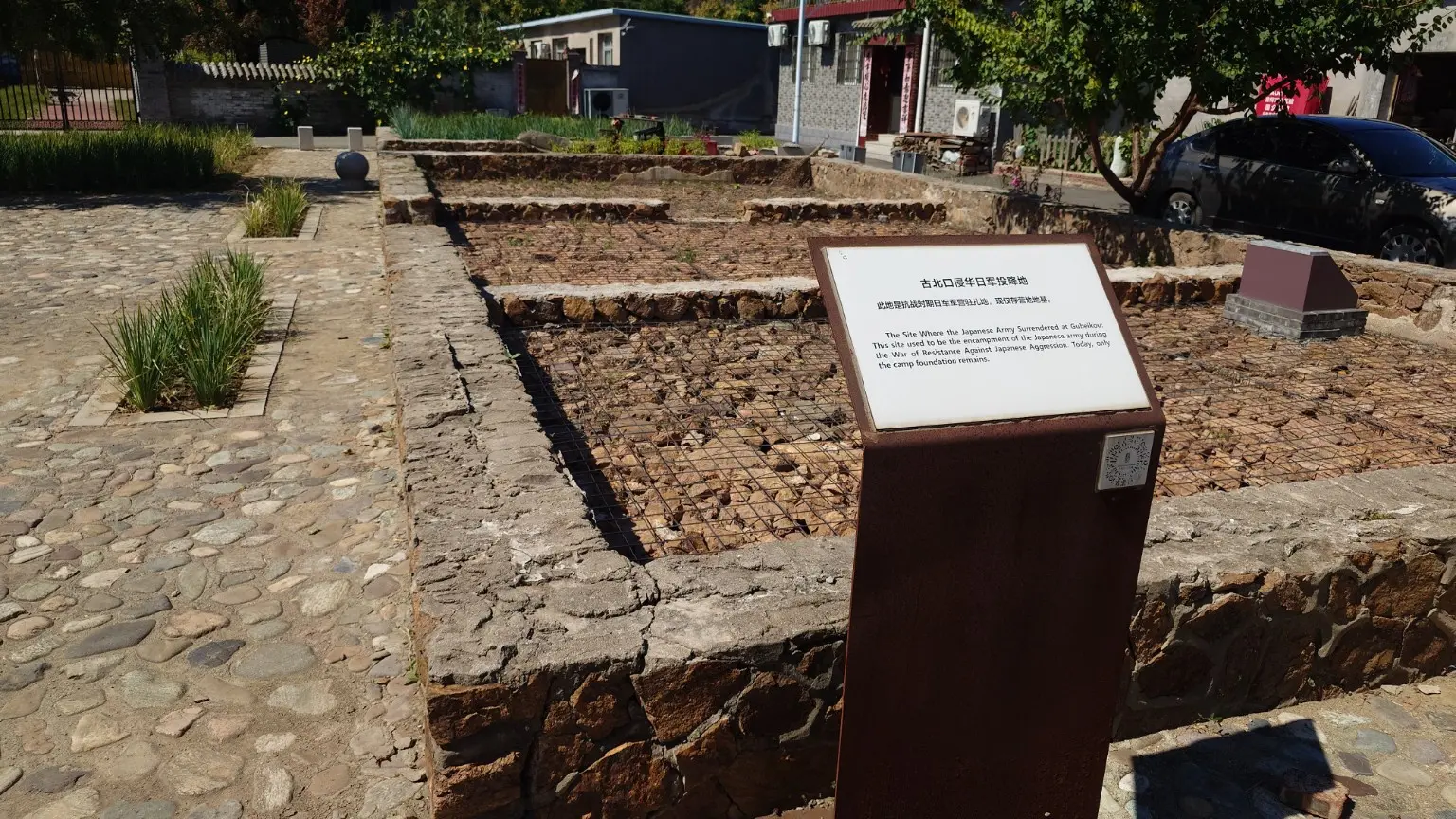
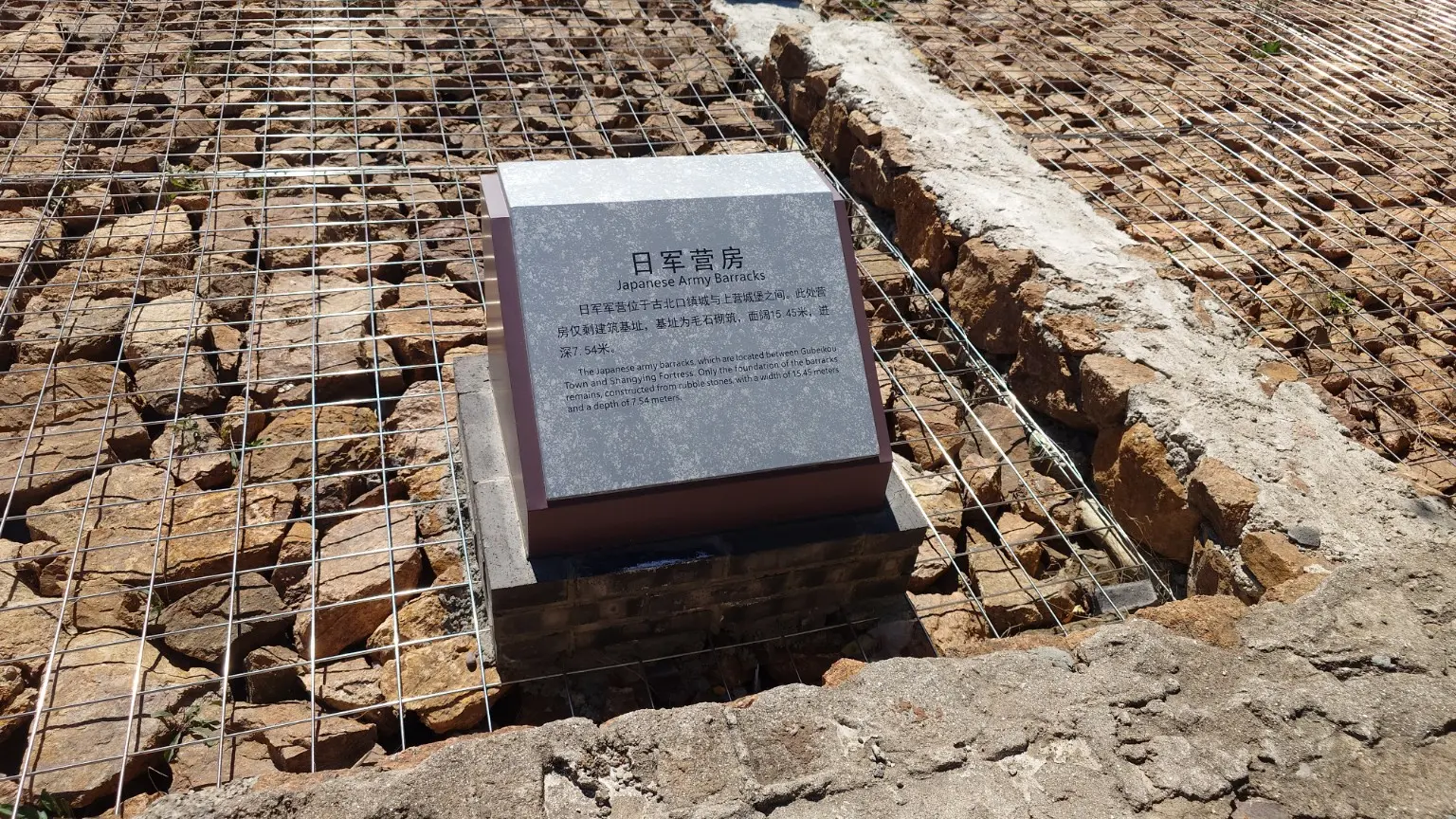
The military history continued into the twentieth century. The surviving Japanese barracks foundations mark the site where Eighth Route Army and Soviet Red Army representatives jointly accepted the surrender of the local Japanese force in September 1945. The nearby former joint command site and other memorials keep that layer in the ordinary townscape.
The exact address decides the commute
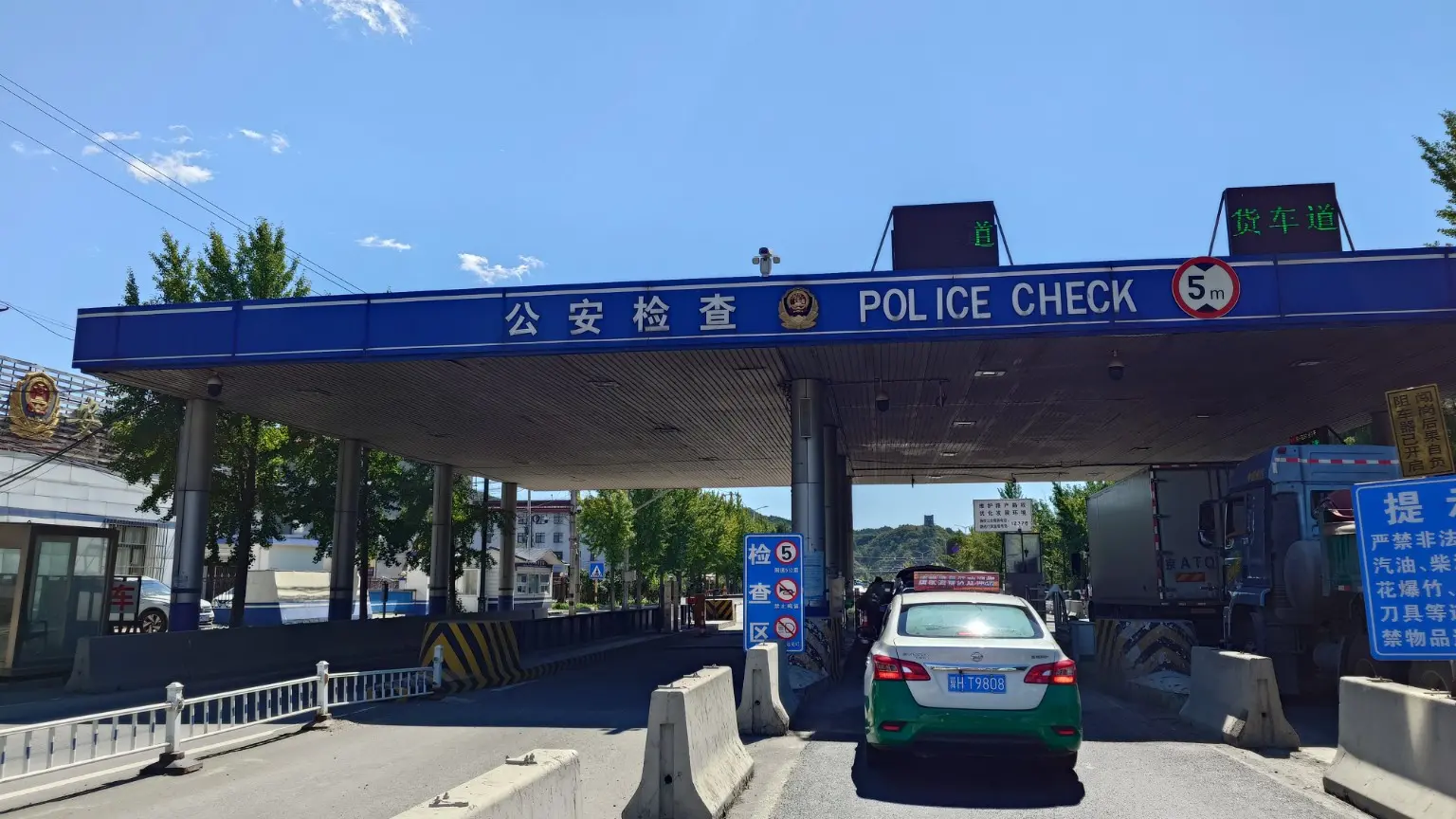
Gubeikou belongs to Beijing and also sits directly against its northeastern boundary. An inbound police checkpoint cuts across some routes back toward the city. Depending on which side of the town and which road the property uses, a normal return trip may require inspection and, when traffic is heavy, a queue.
That is a micro-location issue with operational consequences. A cheaper house north of the checkpoint can cost time on repeated trips; another address within the same town may avoid that friction. Do not compare rent before tracing the actual door-to-destination route in both directions.
- Drive the exact route toward central Beijing on an ordinary weekday and during a busy return period.
- Ask whether deliveries, staff, guests and contractors approach from the same side of the checkpoint.
- Compare the time cost with the rent and renovation saving before choosing the cheaper property.
Best first move
Begin with a two-part visit. Walk Miao Street and the surrounding lanes with an operator or town contact who can explain which spaces are actually entering the programme. Then drive from the exact candidate property toward Beijing, including the route through or around the checkpoint.
Bring a one-page concept, your space and utility requirements, an opening budget, and a clear answer to how the business will use Gubeikou's history without turning daily town life into scenery. Ask to see one ready space, one partially upgraded courtyard and one raw property. The comparison will reveal your real entry model faster than a long list of cheap rents.
- Best fit — maker, cultural studio, workshop retail, learning programme, independent food and beverage, compact heritage hospitality.
- Strongest signal — active government-backed operator recruitment plus a physically signed international maker interface.
- Core trade-off — unusually characterful, adaptable space at the price of renovation work and address-level transport friction.
- Evidence status — official programme and historical sources combined with September 2026 field observations; property terms and service delivery require direct confirmation.