The road needs a climb
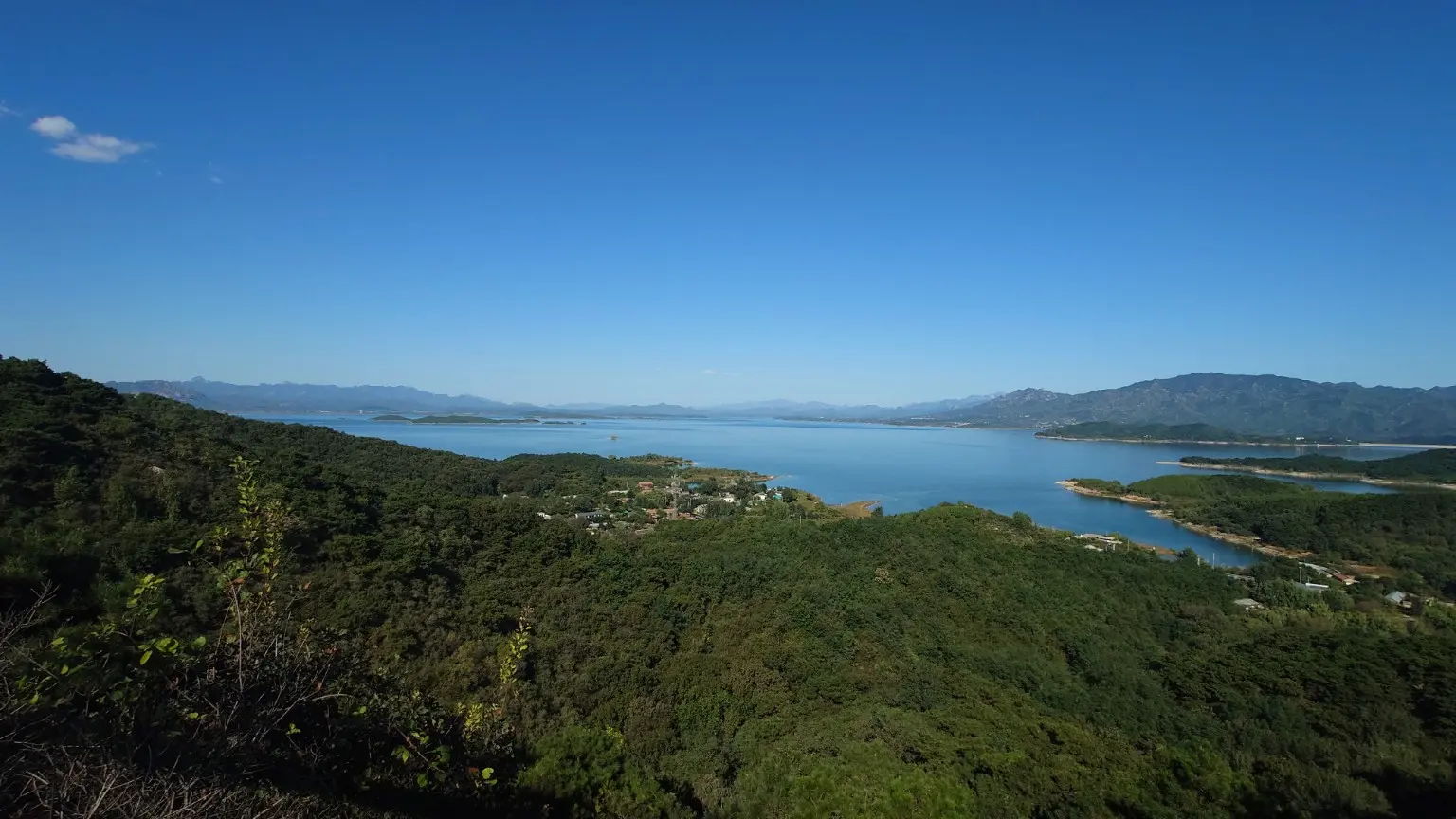
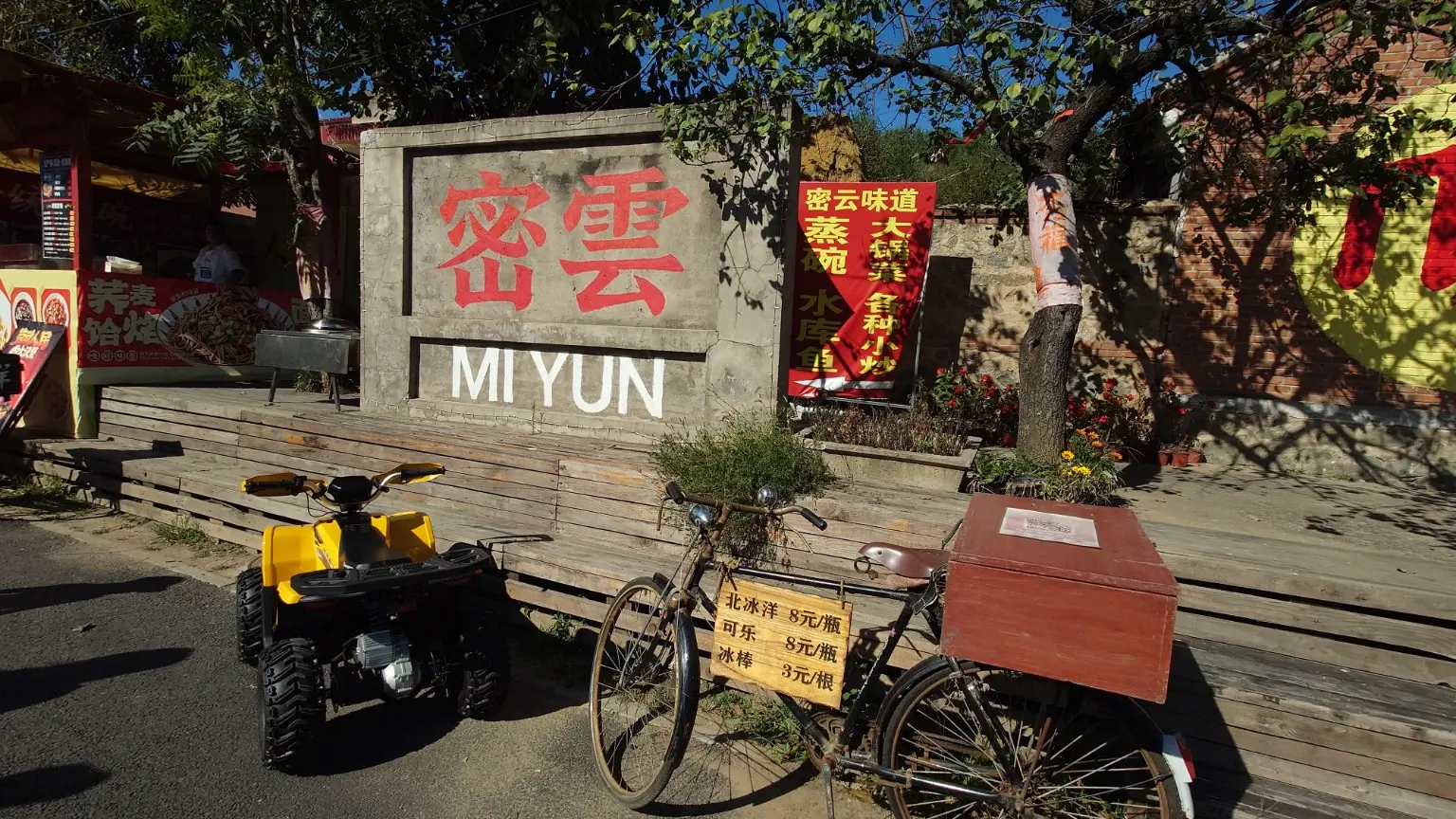
Miyun Reservoir does not reveal itself all at once. You reach it through folds of green hills, roadside villages and the practical clutter of an outer district still going about its day. Then the road climbs, the trees part and an expanse of blue begins to behave less like a reservoir and more like a coastline.
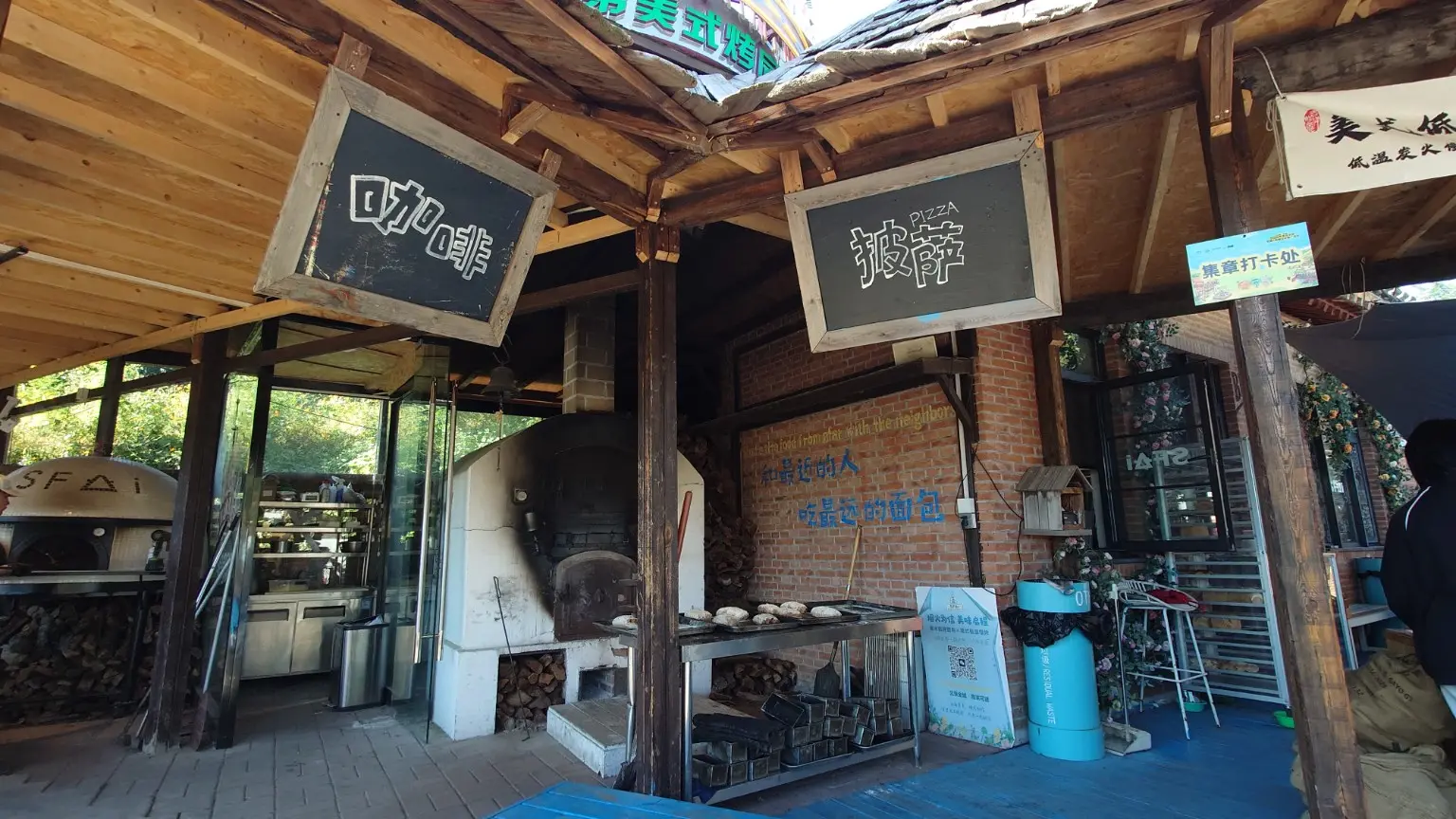
Sunlight Valley (日光山谷), on the southwestern side of the water, has deliberately built toward that moment. The lower area gathers the familiar machinery of a leisure destination—restaurant space, a bakery, pizza ovens and coffee—before the route moves uphill. It is developed and highly legible, but the development works because the landscape eventually overwhelms the staging.
Look down — Beijing’s sea
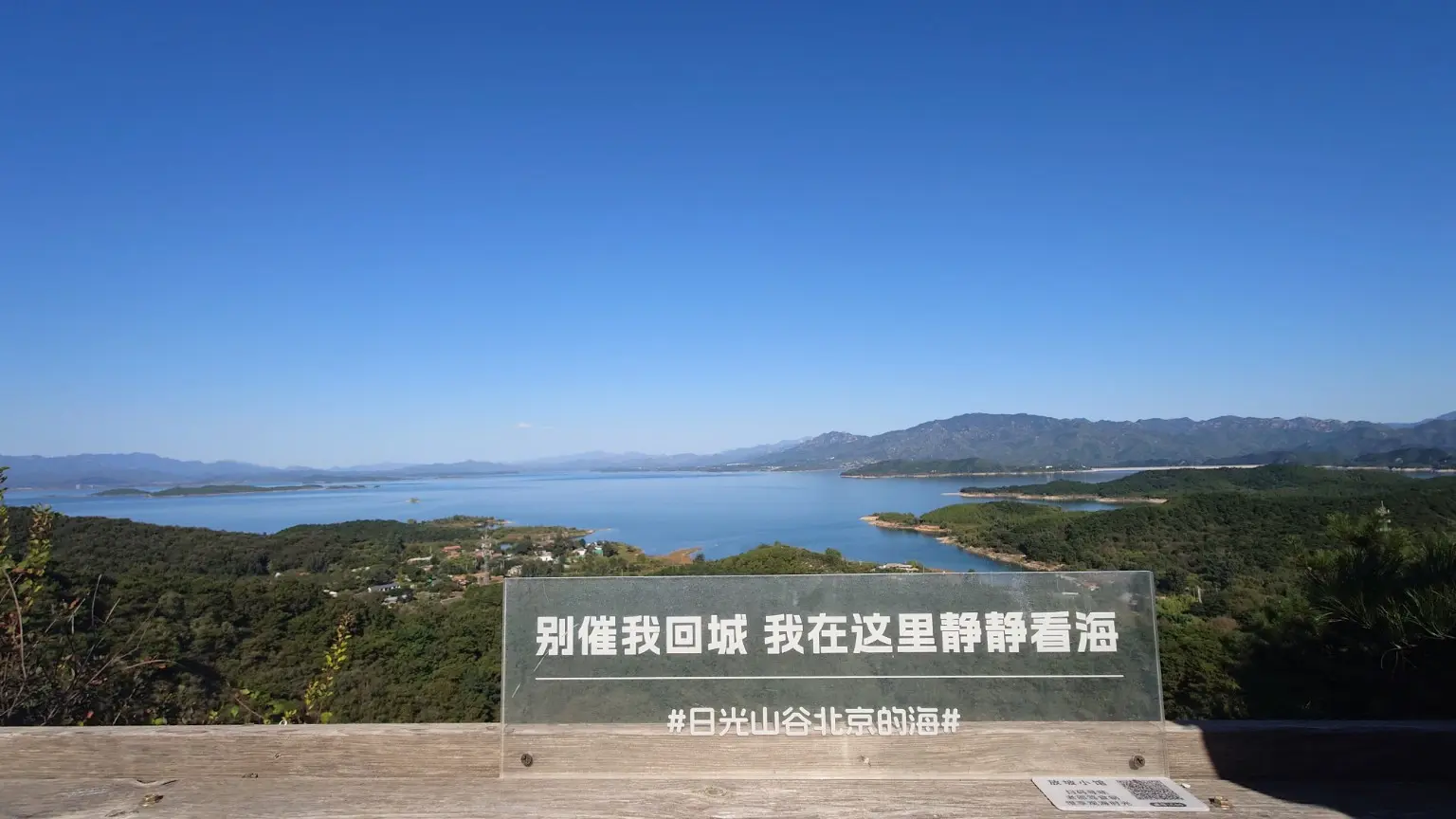
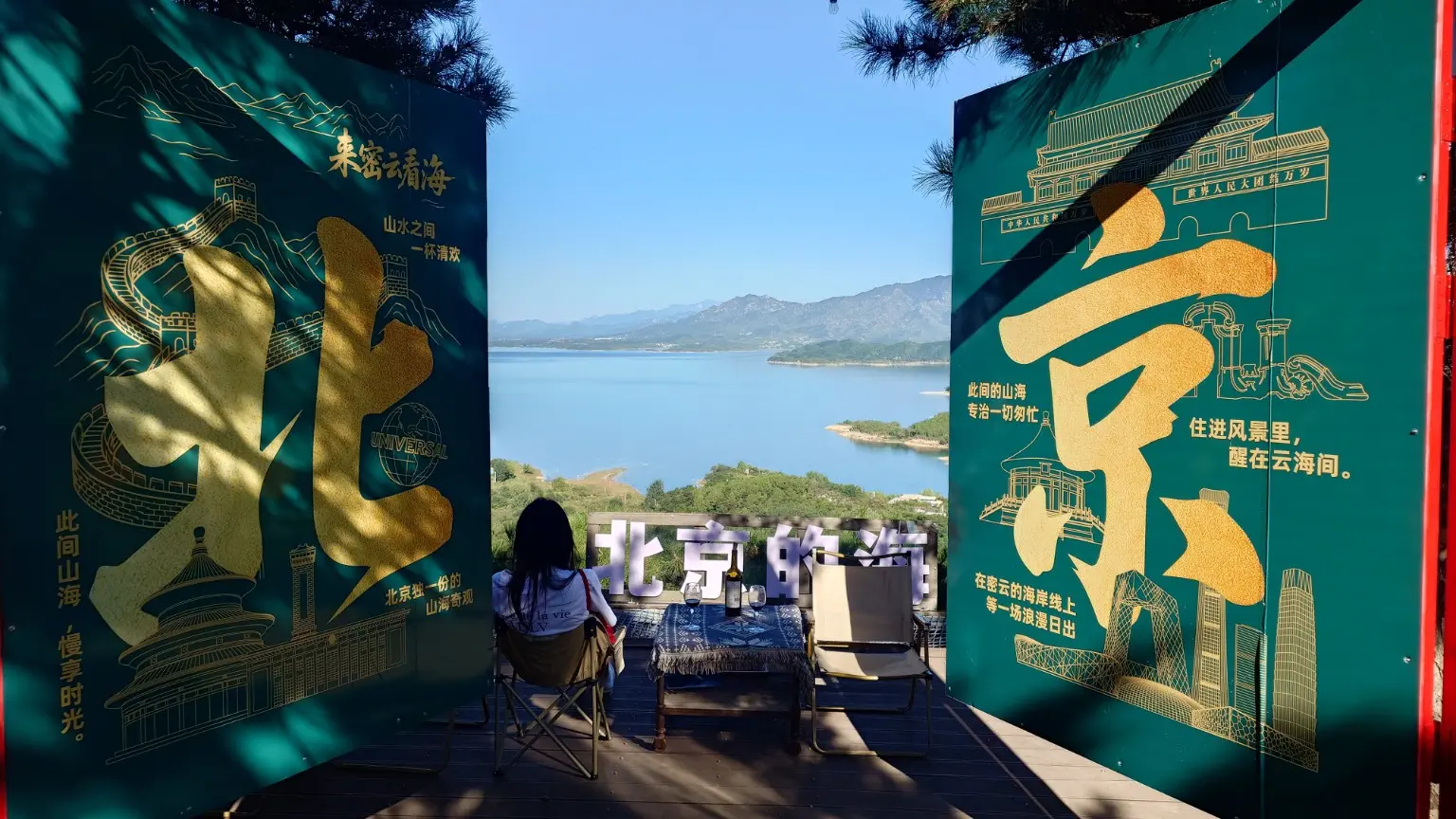
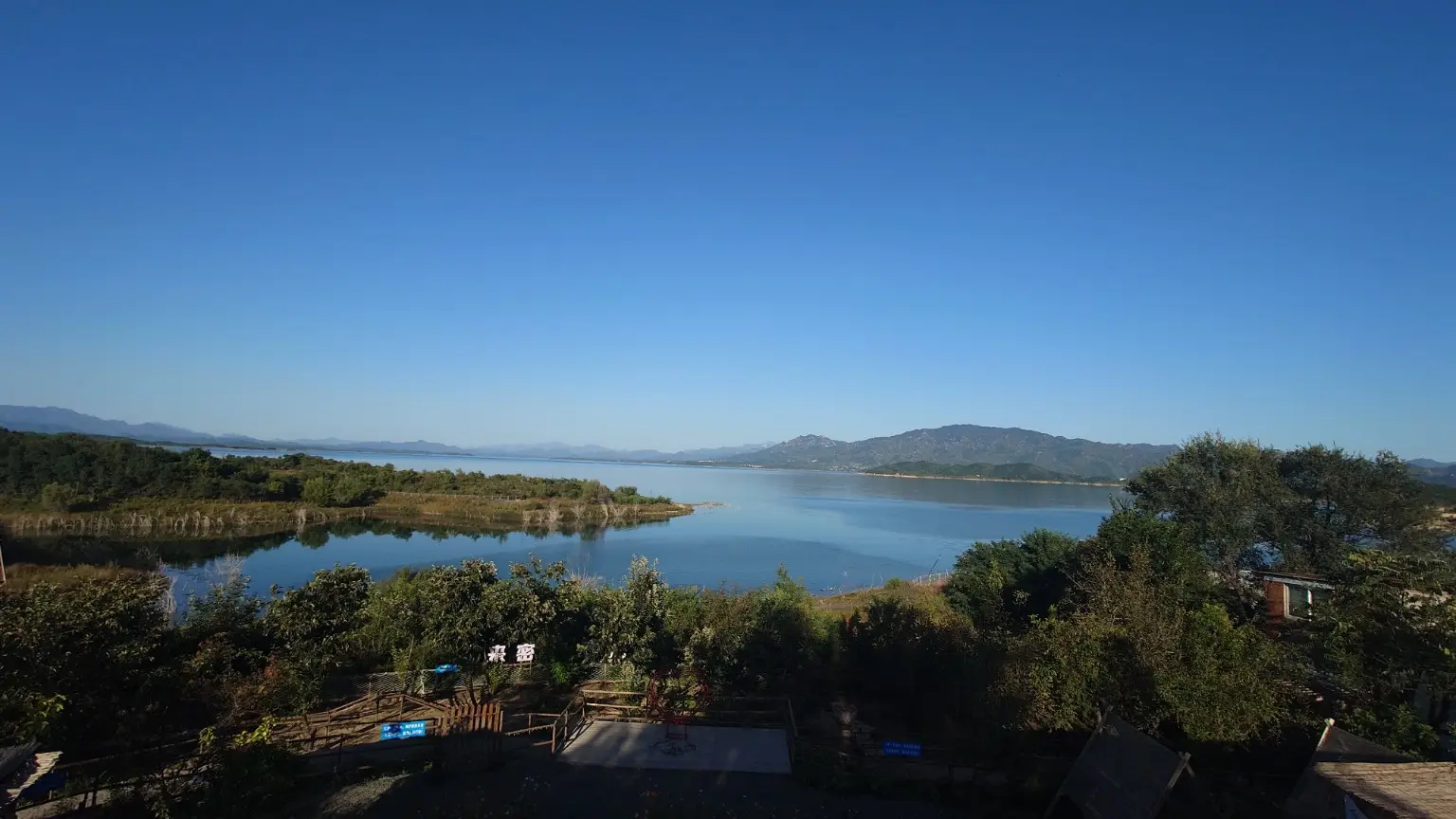
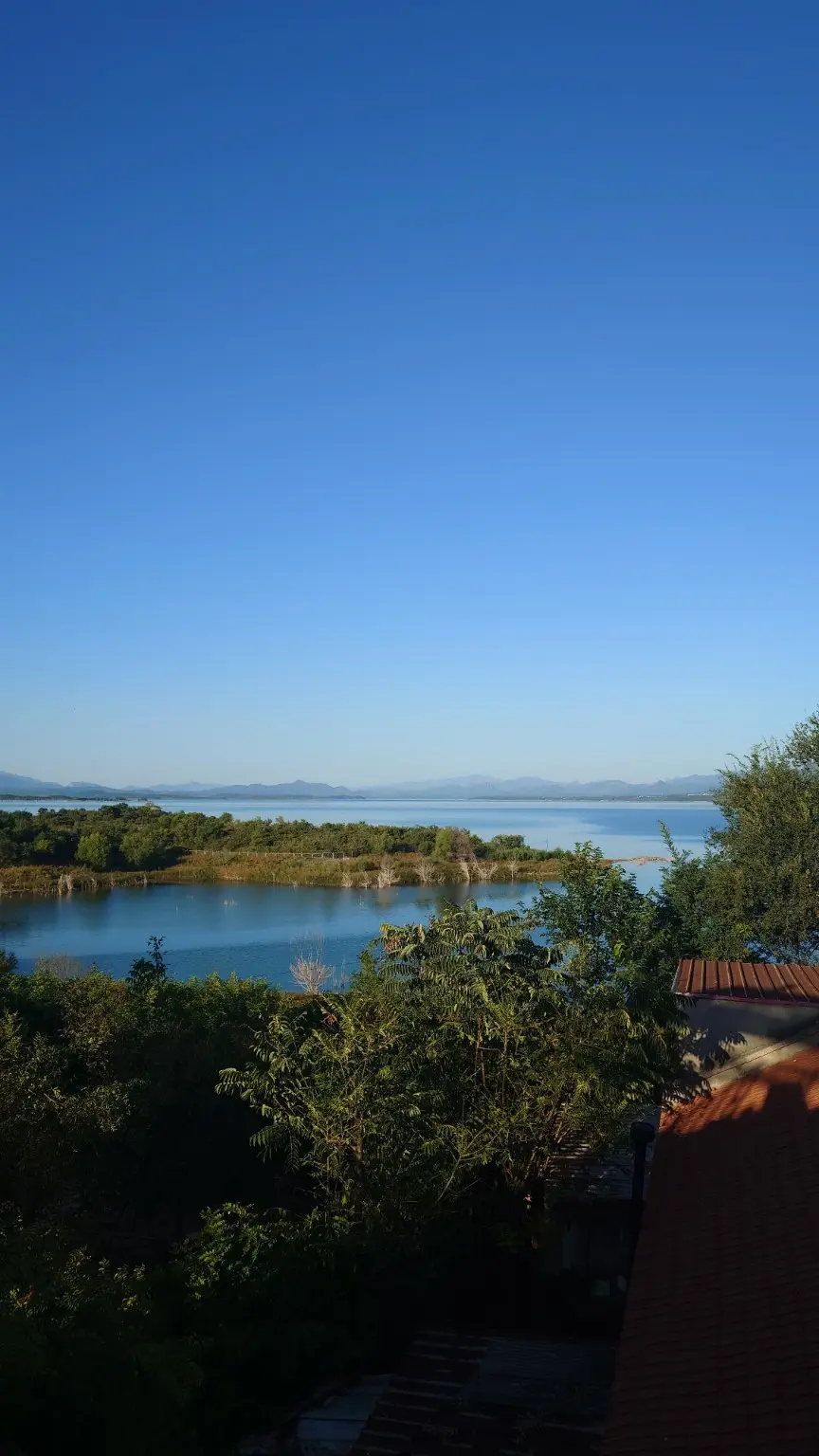
After the climb, three viewing levels open the reservoir in stages. From above, the shoreline breaks into wooded headlands and coves; mountains stack across the far horizon and the water carries enough distance to change the scale of the day. ‘Beijing’s sea’ sounds like campaign language until you reach this height. Up here, it becomes a useful description of what the eye is doing.
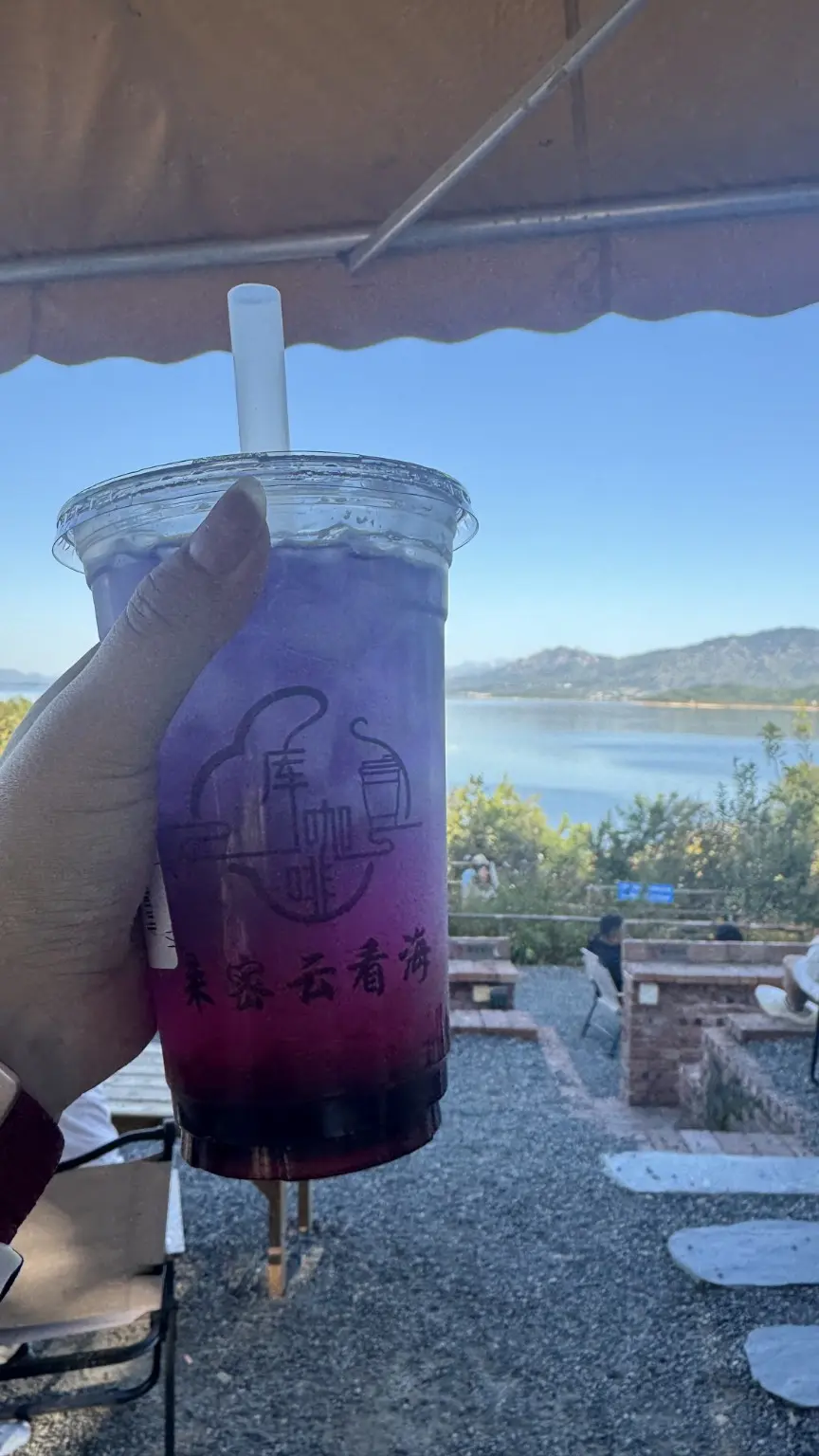
A mountain café lets people sit with the view instead of treating it as a quick photograph. One sign catches the mood precisely: ‘Don’t rush me back to the city. I’m quietly looking at the sea here.’ There is also a much-discussed novelty restroom on the mountain, though the more durable attraction is simply the permission to stop.
The site is conspicuously made for leisure, and I do not mind that. Its platforms turn a body of water usually understood as infrastructure into something spatial and emotional. The slogan succeeds because the reservoir really does open up like a sea.
Drive around — the reservoir edge
The viewpoint is only the beginning. Descend toward Heiwo Village (黑卧村) and the reservoir shifts from panorama to neighbour. Water appears between roofs and trees. Small leisure businesses occupy terraces and village edges. There is coffee again—Miyun contains a surprising amount of coffee once you start looking—and this time the cup sits only a short visual distance from the water.
More important than any single café is the ring-reservoir movement itself. The road passes villages and small settlements with very different levels of investment. A polished viewing deck can be followed by an ordinary lane, a guesthouse sign, a patch of undeveloped shore, then another carefully placed terrace. Development arrives intermittently rather than as one continuous resort strip.
That unevenness makes the commercial story difficult to generalise, and it would be careless to turn every quiet village into an opportunity slide. Some places have obvious visitor flows and visible leisure businesses; others mainly offer space, trees and water. Their appeal may be personal before it is commercial.
A place to think at Beijing’s edge
For someone who works in Beijing, this wider zone matters even when no business case appears. The district’s forest cover is high, the air often feels markedly better than the urban basin, and quiet arrives quickly once you move away from the road. A weekend here can be scenic; a few weekdays can be something more useful: time to read, write, think through a difficult decision or test how much city access you actually need.
That is a different proposition from permanent relocation. Guesthouses, small hotels and developed leisure sites make a short stay easy to try. Mobile coverage and actual room Wi-Fi still need checking property by property, as do winter heating, food access and the time required to reach the next meeting. The reservoir edge works best when its distance is treated as part of the experience rather than a detail to minimise.
Outer Beijing is often discussed as the place where land, policies or projects become available. It is also part of the city’s operating geography because people need somewhere to decompress without severing their connection to Beijing. Miyun lets you move out far enough for the landscape to reset your pace, then return when the work requires it.
Look up — Bulaotun after dusk
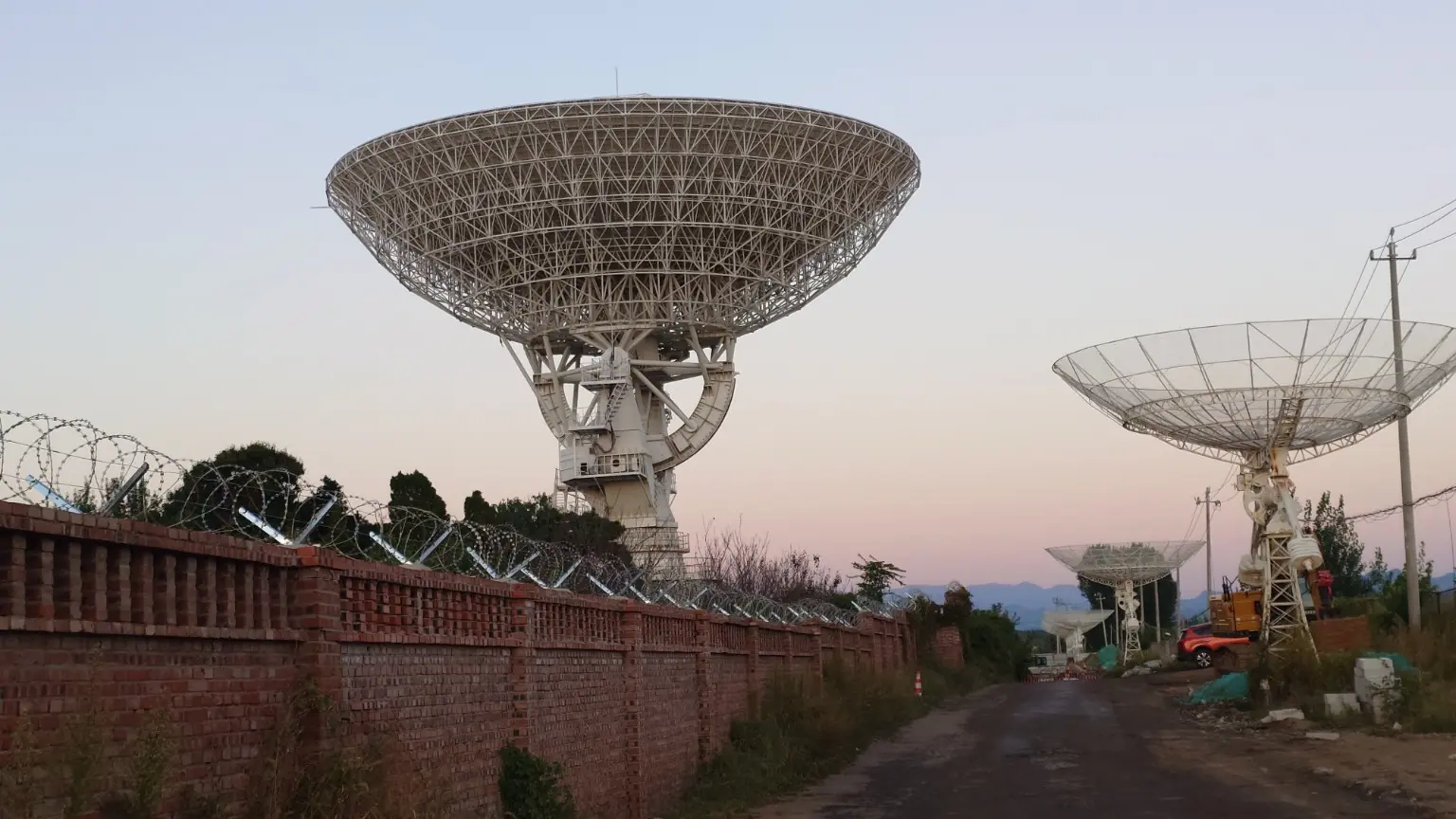
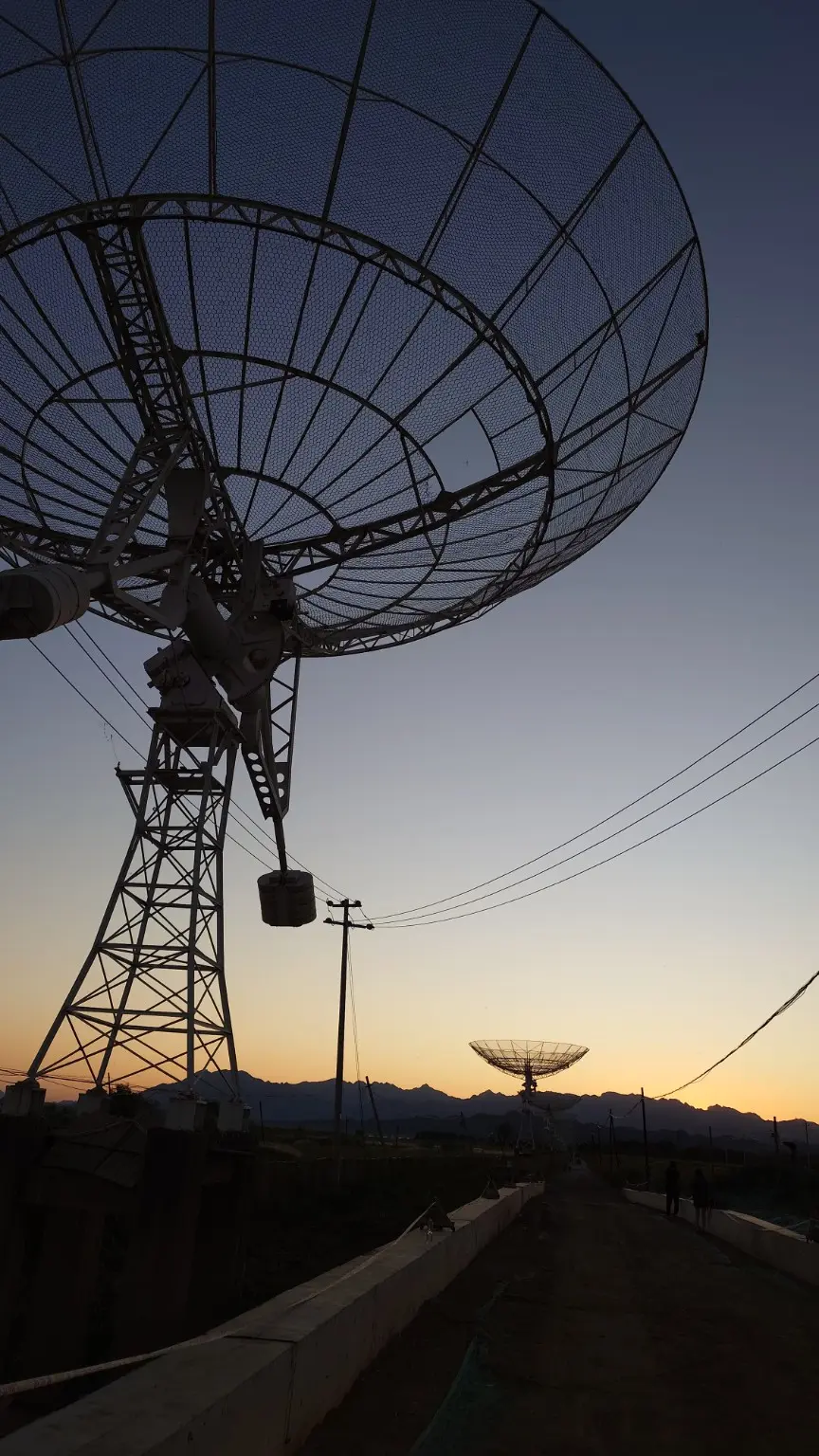
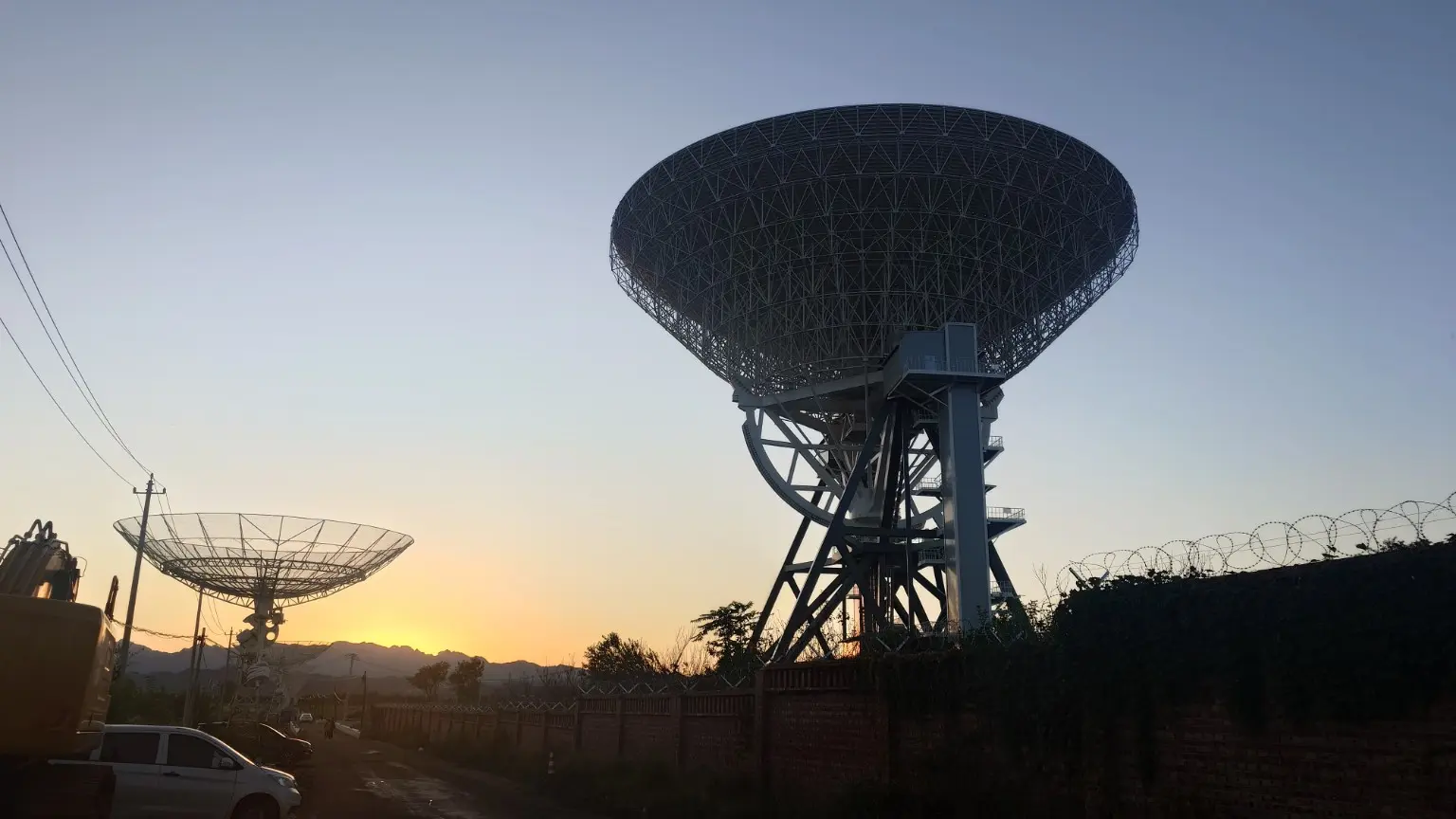
On the northern side of the reservoir, the story changes from water to sky. Bulaotun Town (不老屯镇) is home to the National Astronomical Observatories’ Miyun station, a radio-astronomy base established in the 1960s. Its 50-metre and 40-metre radio telescopes rise above fields, walls and ordinary roads with the improbable scale of industrial sculpture.
They are not decorative observatories arranged for visitors. The station supports radio astronomy, lunar and deep-space work, and satellite data reception. Seen from the road at dusk, however, the technical purpose produces its own atmosphere: dishes tilt above the town while the last light collects behind the mountains.
After dark, Bulaotun still feels more restrained than an ordinary urban or suburban district. Streetlights are not especially bright, the sky holds longer and the idea of looking up feels natural. I would not promise observatory-grade darkness from every guesthouse or every night; weather, the moon and the exact address still decide what you see. The invitation is simpler. Spend the day looking out over Beijing’s sea, follow the road around the water, and by evening the far side of Miyun has turned your attention upward.