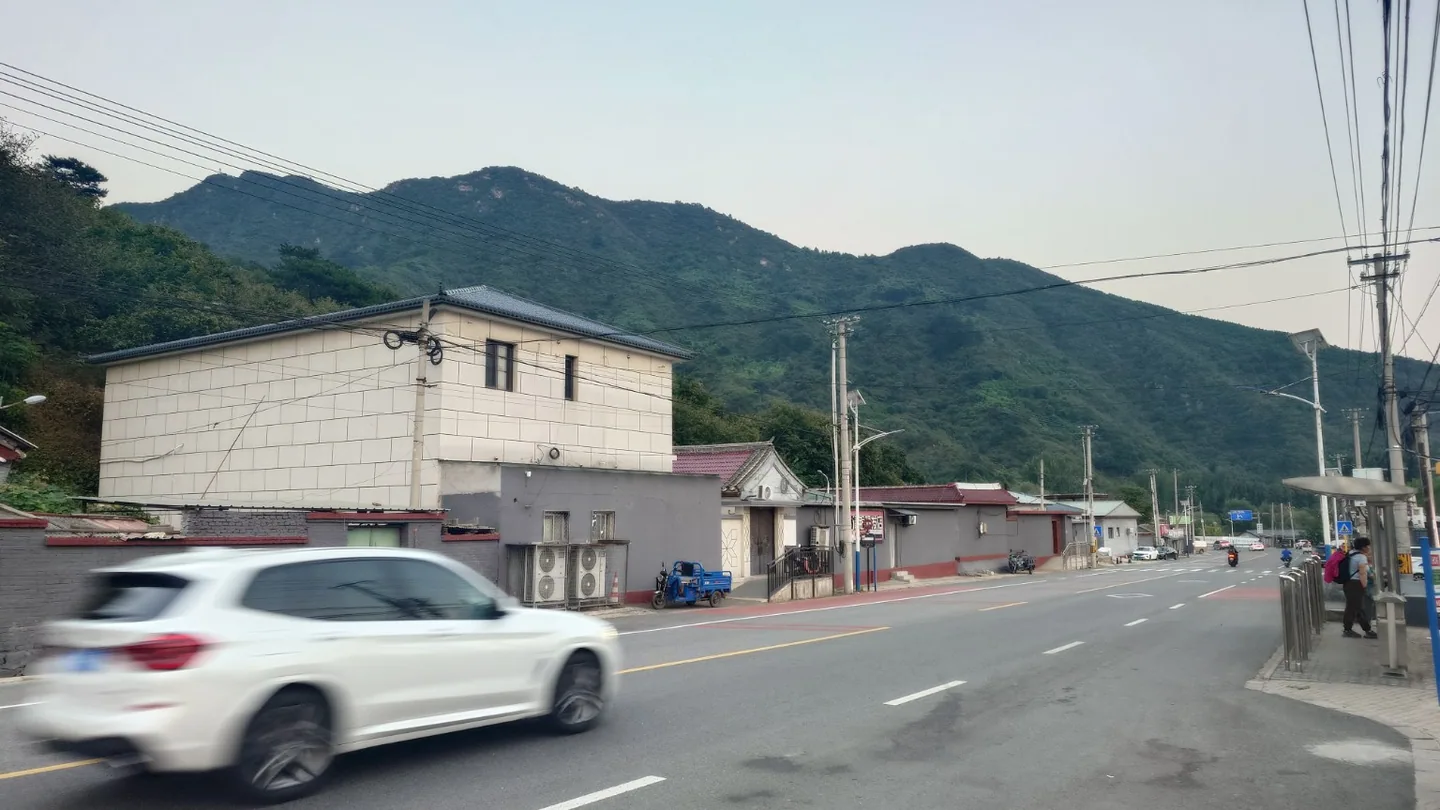
An ordinary mountain village
Sanduhe Village (三渡河村) sits in Bohai Town’s Lihuaxi Valley (栗花溪谷), with mountains rising immediately behind the houses and a clear stream running along the village’s southern side. That sounds like the beginning of a remote mountain story. The road into the village quickly complicates it.
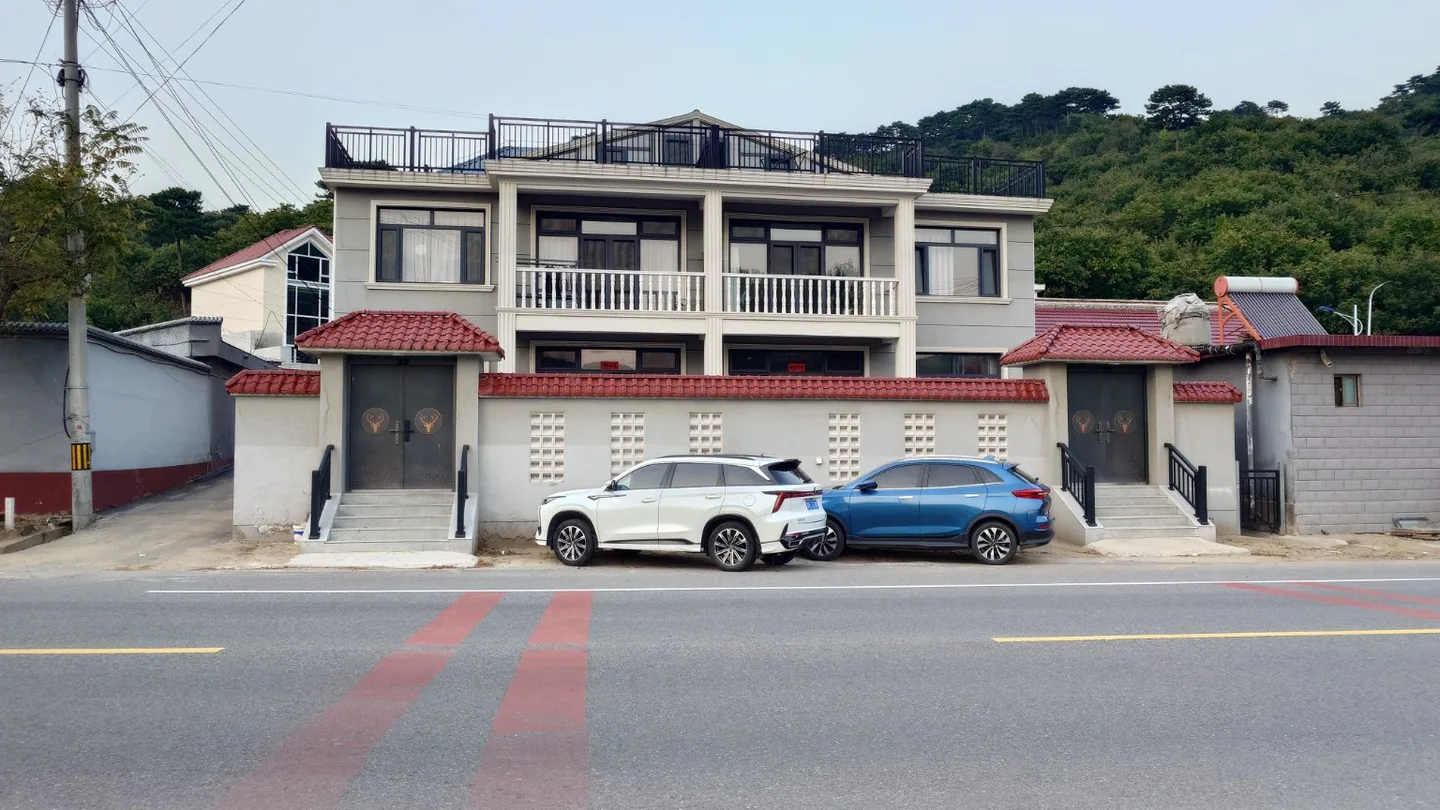
The road is paved and properly marked, there is a regular bus stop, and the village is made up largely of modern detached or courtyard homes with air conditioning, solar water heaters, parked cars and ordinary services close at hand. Convenience retail, accommodation and hospitality businesses are woven into the same streets. I never had the feeling that I had crossed out of ordinary Beijing life and into somewhere cut off or run down.
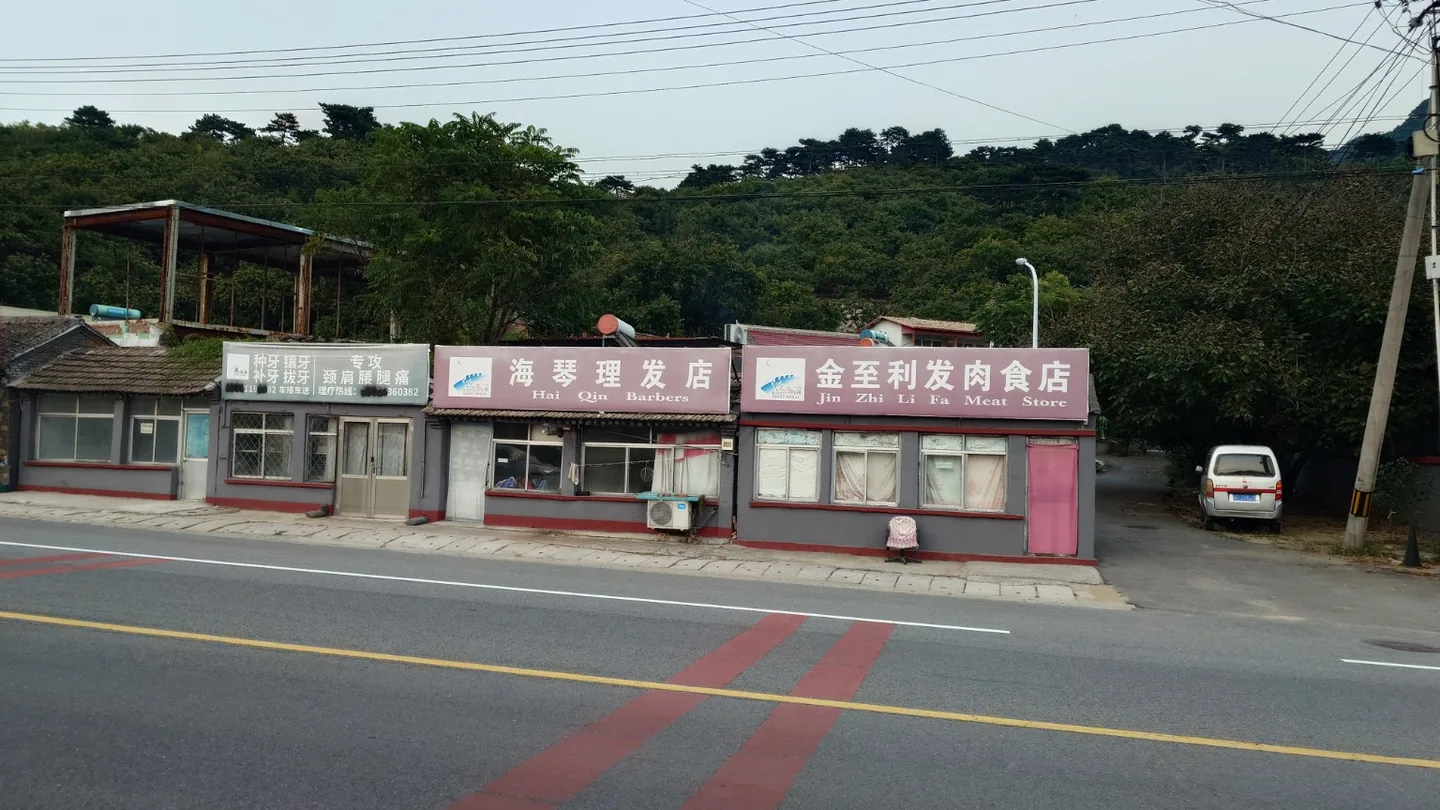
English on the barber and the meat shop
The small detail I kept noticing was the English. Sanduhe’s bilingual signs are not confined to a hotel lobby or a polished visitor complex. The barber says “Hai Qin Barbers”, the meat shop has its English name across the fascia, and a completely ordinary convenience store identifies itself in both Chinese and English.
That does not make Sanduhe an international village by declaration. It means that international-facing visual language has reached the most everyday layer of village commerce, which is a subtler and more useful signal than a single English welcome board at the entrance.
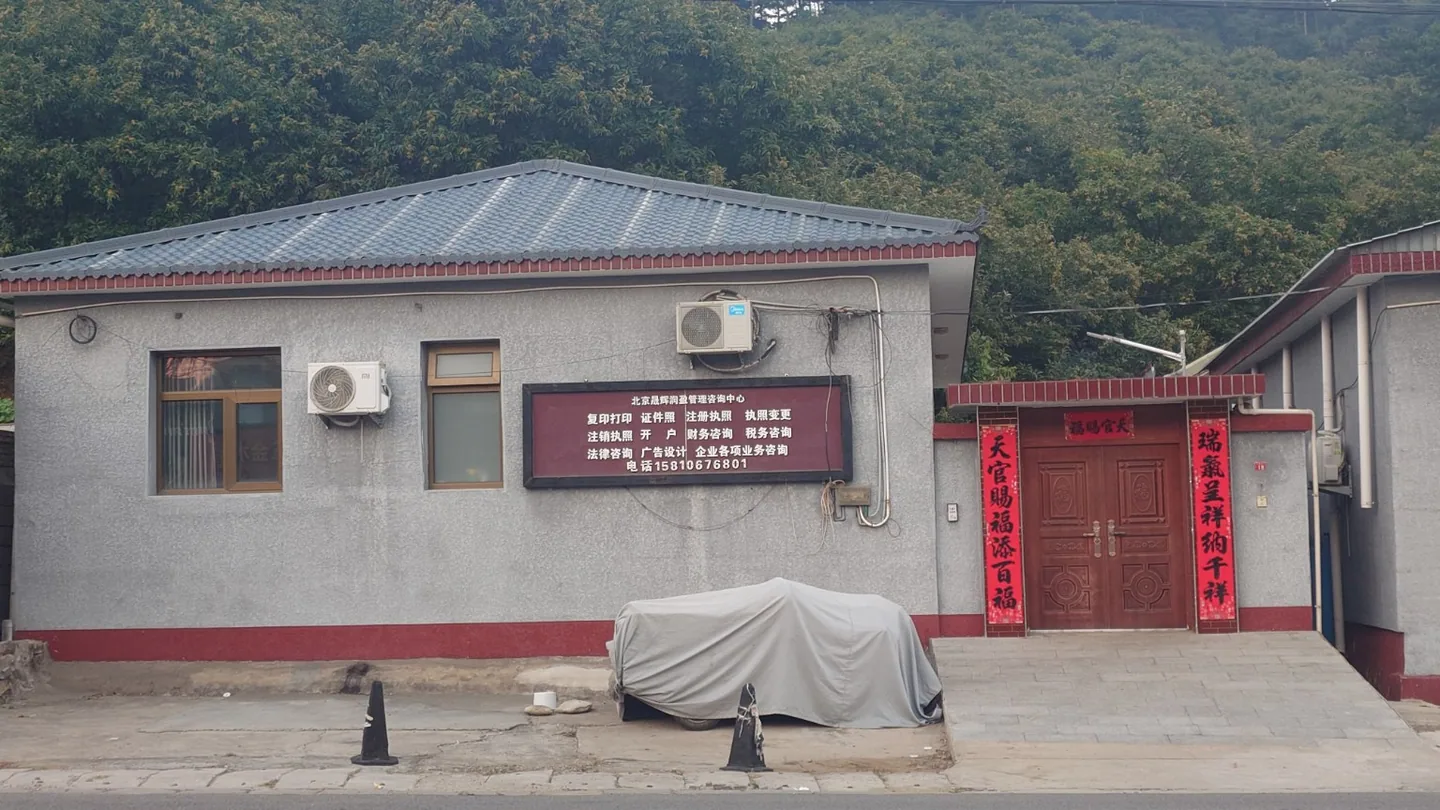
A company-registration office in a mountain village
Then there was the business-services office. A sign mounted outside a modern courtyard advertised copying and printing, company registration, accounting and tax consultation, enterprise-name searches and other business assistance. It was operating directly in the village, not in Huairou’s urban centre several steps away.
For CyberNomad readers, its existence is interesting enough. Sanduhe is a mountain village where a person can walk past a local desk advertising ordinary company-registration support on the way to the shops. I did not test the service during this visit; the field fact is simply that the office and the advertised services were there.
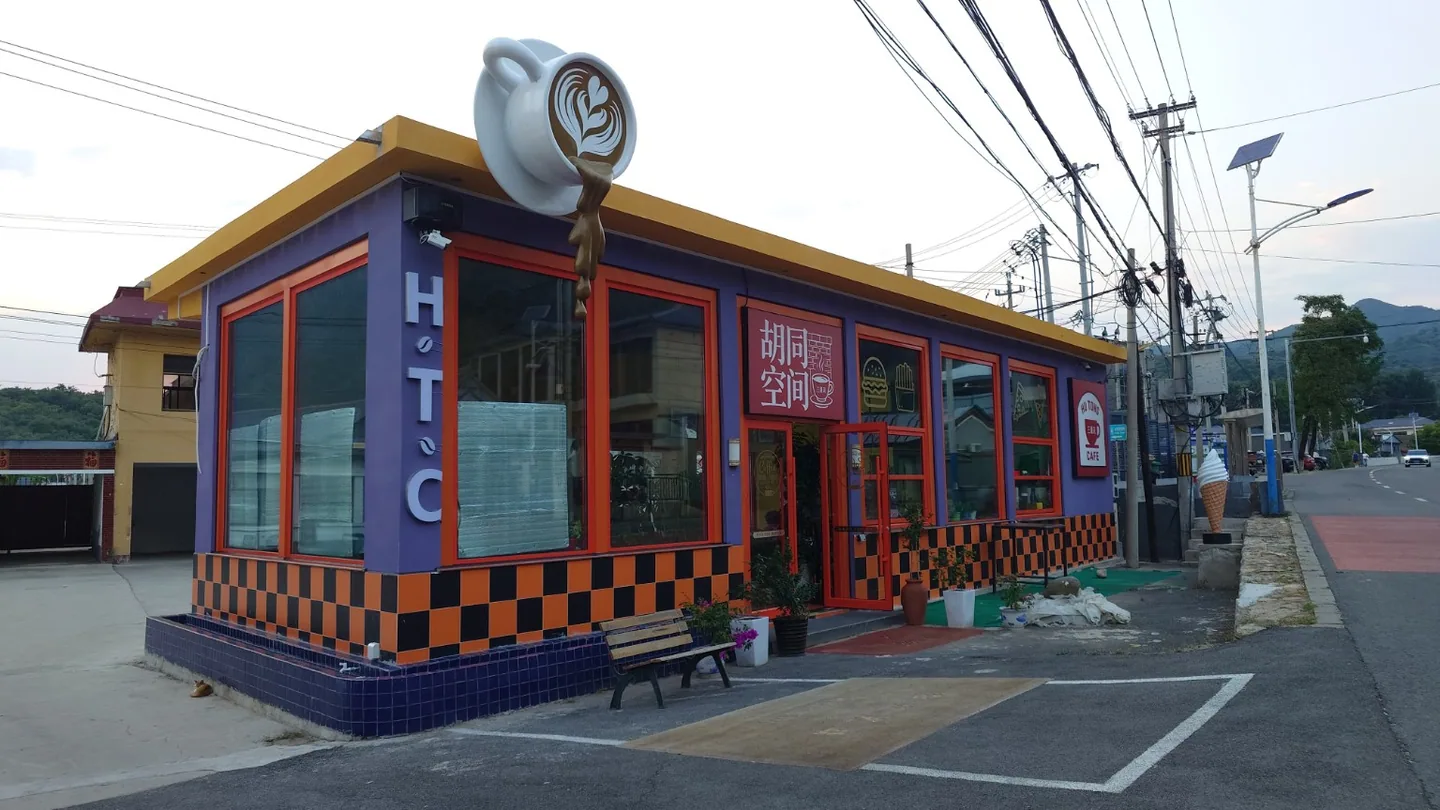
Coffee, pizza and people moving in
Sanduhe has at least one proper café, a colourful roadside place serving coffee alongside pizza and other Western-style casual food. Dogs are welcome, the coffee was genuinely good, and the bill was a useful reminder that moving into the mountains does not automatically move every price downward.
The operator told me that she had moved from Taiwan to Huairou to start the business. One conversation cannot describe who is moving into Bohai Town as a whole, but it made the newer entrepreneurial layer tangible: people are arriving and opening small businesses rather than merely passing through for a photograph.
Try before you rent
Houses in the village were described as available for longer rental, and multiple guesthouses or minsu-style accommodation options make a short working stay possible before anyone makes a larger housing decision. That is the practical order I would use: spend several ordinary days here, buy groceries, work, walk the dog, test the bus or driving routine, and see what the place feels like after the weekend visitors leave.
I did not obtain a reliable long-term annual rent during this visit. Availability was visible and discussed; the annual number remains an unanswered field question.
Dogs in the river
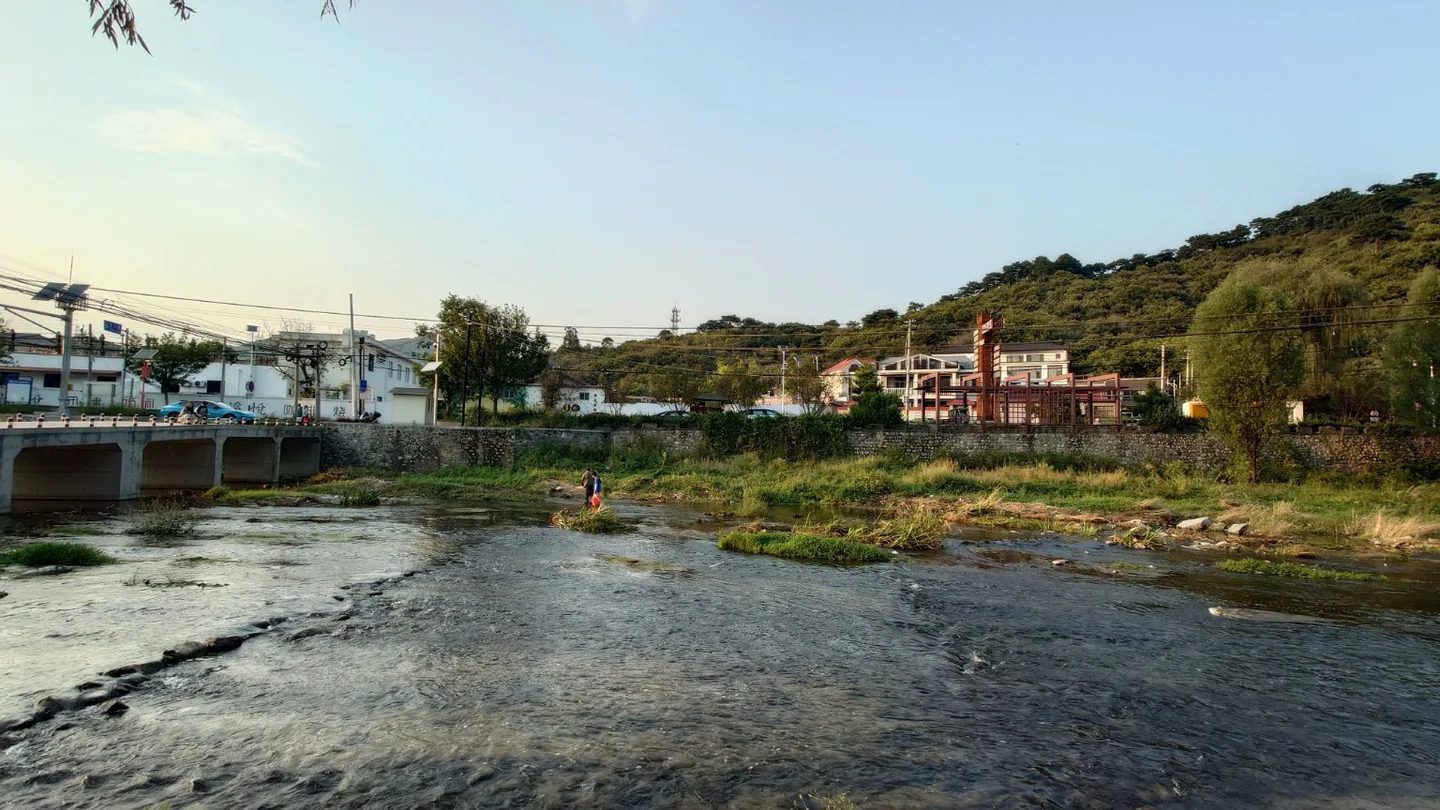
Immediately south of the village, the stream is strikingly clear and shallow enough in places for people and dogs to enter. Chinese navigation and lifestyle platforms already treat this stretch as a local recreation and check-in spot, although on the day I visited it still felt like a river beside a working village rather than a formal attraction.
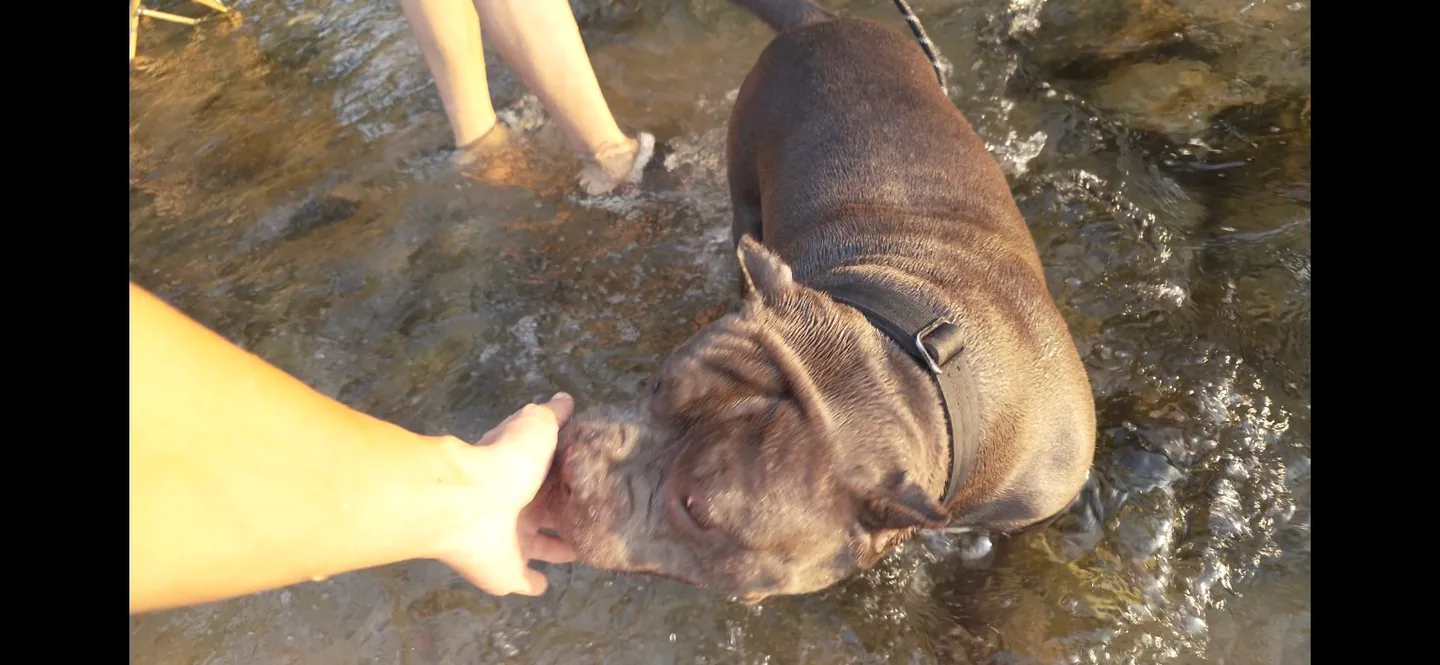
Another visitor brought a dog into the water. She stood happily in the current while the phrase “pet-friendly outdoor environment” became considerably more convincing in front of us.
Then you notice the cartoon cats
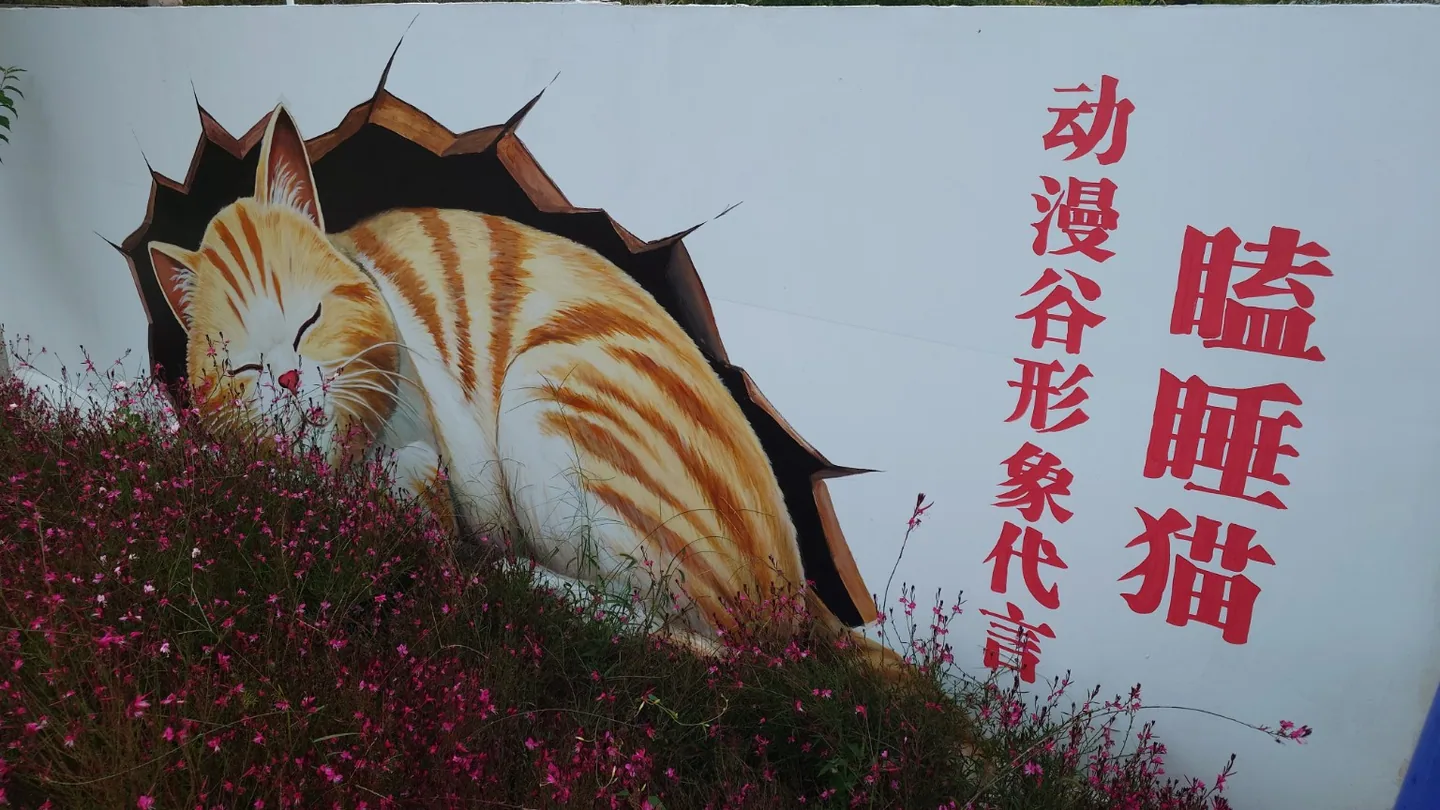
Around Sanduhe, Animation Valley mascots and public-art images keep appearing. One of them is the sleepy cat—瞌睡猫—identified on the artwork as an Animation Valley image ambassador. The repetition changes the reading of the village. The Beijing Huairou Great Wall International Animation Valley is already part of the visual language on the ground, rather than a name encountered only in a planning document.
The official project is based in Bohai Town. Huairou formally unveiled it in November 2025, with a core area under development in nearby Dongtai Village, studios and creative-design functions planned across repurposed courtyards, and an ambition to connect original animation, IP development and related products. By August 2026, the sleepy-cat creative street had begun trial operation and the district was describing links to art education, creative incubation and rural hospitality.
Huairou has explicitly welcomed global creators in animation as partners, and overseas creators are eligible to establish studios in the valley. Two overseas animation artists were among the five master studios in the first signed group. Bohai Town’s current work programme also names animation and gaming, online literature and short-drama production among the new activities it wants to develop.
Why this might matter
Sanduhe does not yet present itself as an established international digital-nomad hub, and that was not my impression. It is more interesting as a hybrid that is still taking shape: village-scale living and immediate nature, guesthouses that allow a trial stay, ordinary shops and entrepreneurial services, a pet-friendly stream, and a township deliberately building an animation and creator economy within the wider Huairou environment.
For an illustrator, animator, digital-content creator, small studio or remote creative worker, those ingredients create a reason to look more closely. The village has not answered every operating question, including the annual rent. It has answered the first one: there is enough happening here to justify another visit.