Cooler mountains. Mobile data. A very different kind of office.
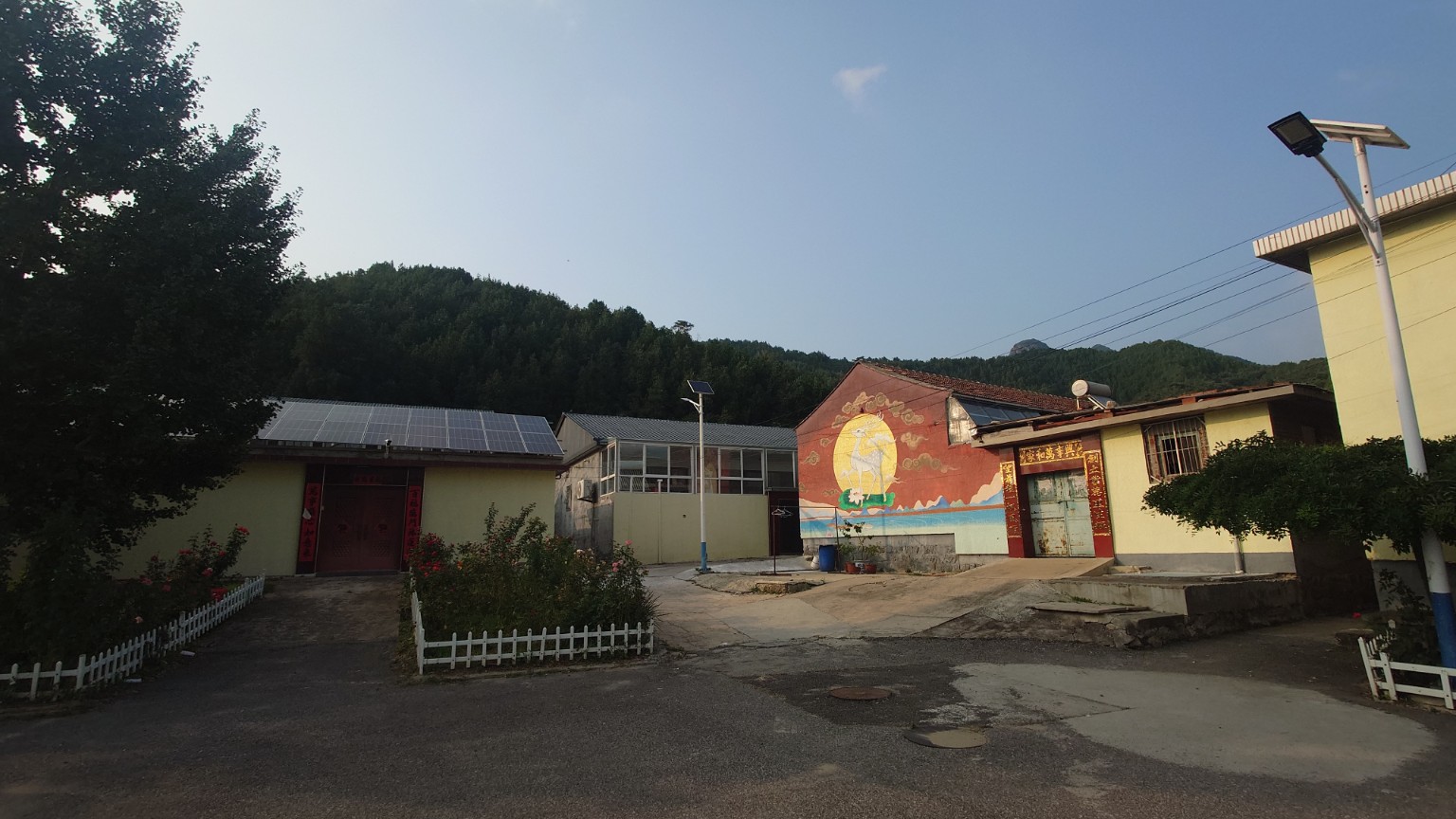
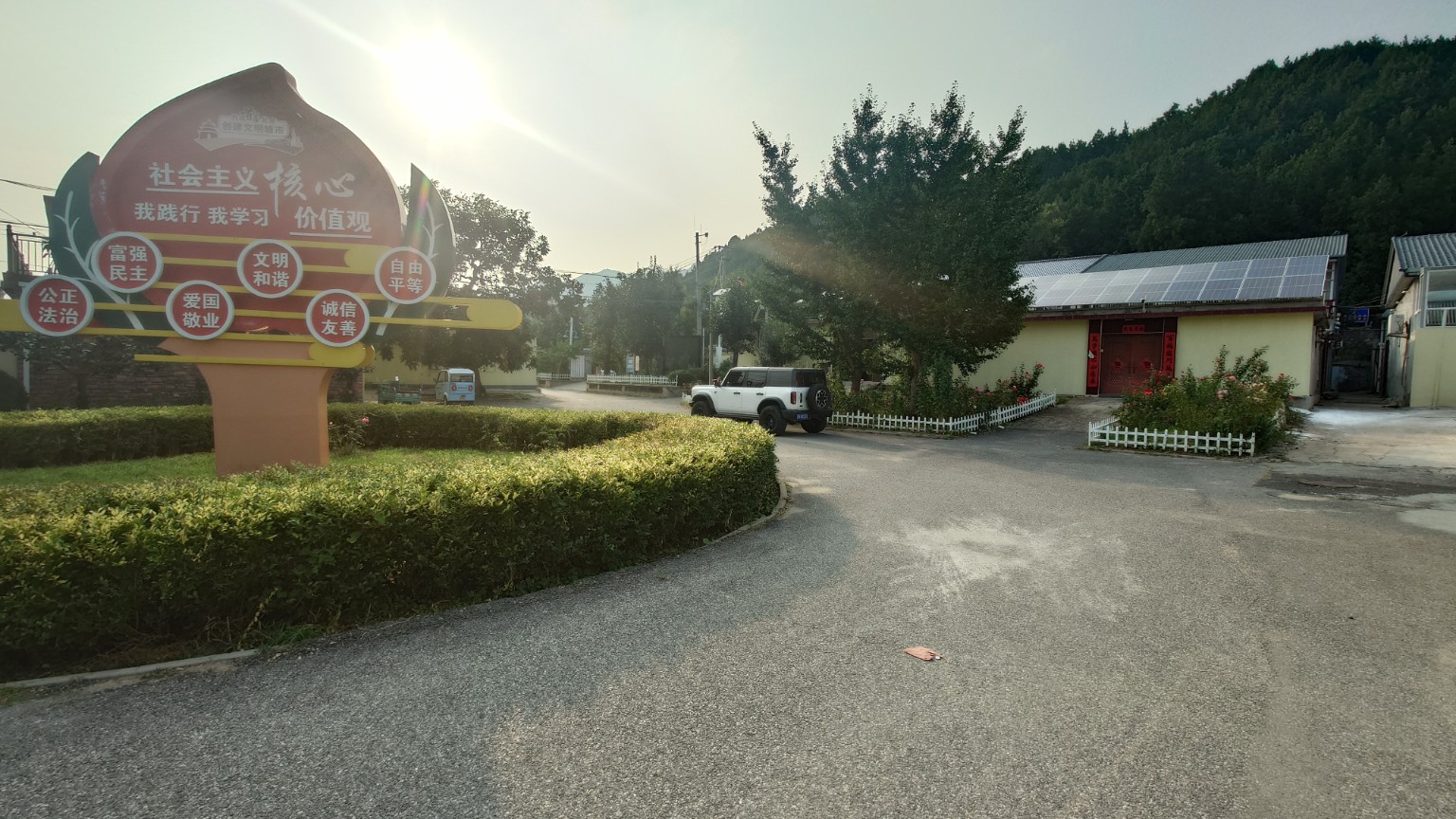
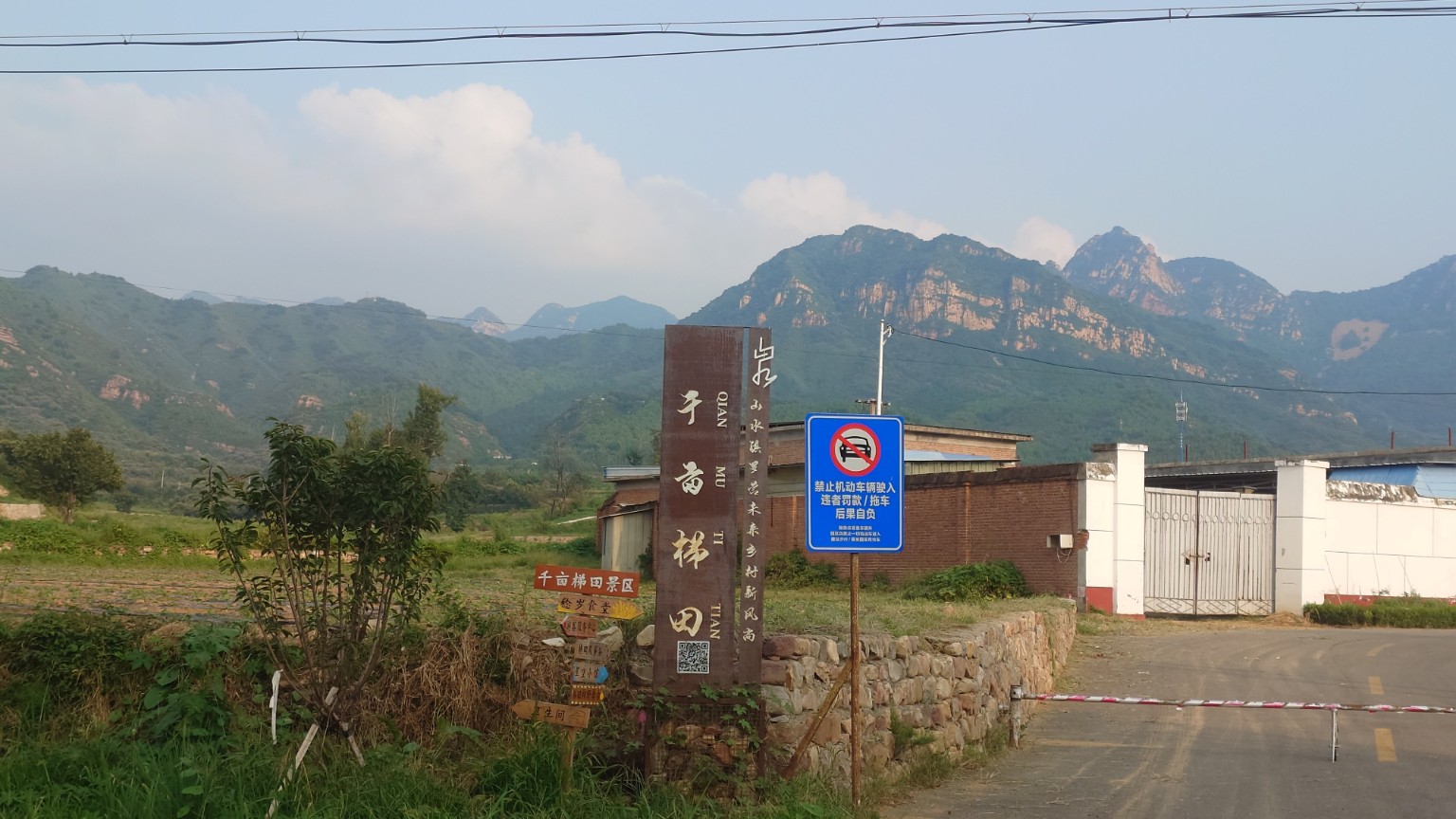
Zhenluoying sits in the mountainous north of Pinggu. Higher elevation and deep valleys make summer noticeably cooler than central Beijing, while villages, terraces and mountain roads place everyday life firmly outside the polished international-suburb model.
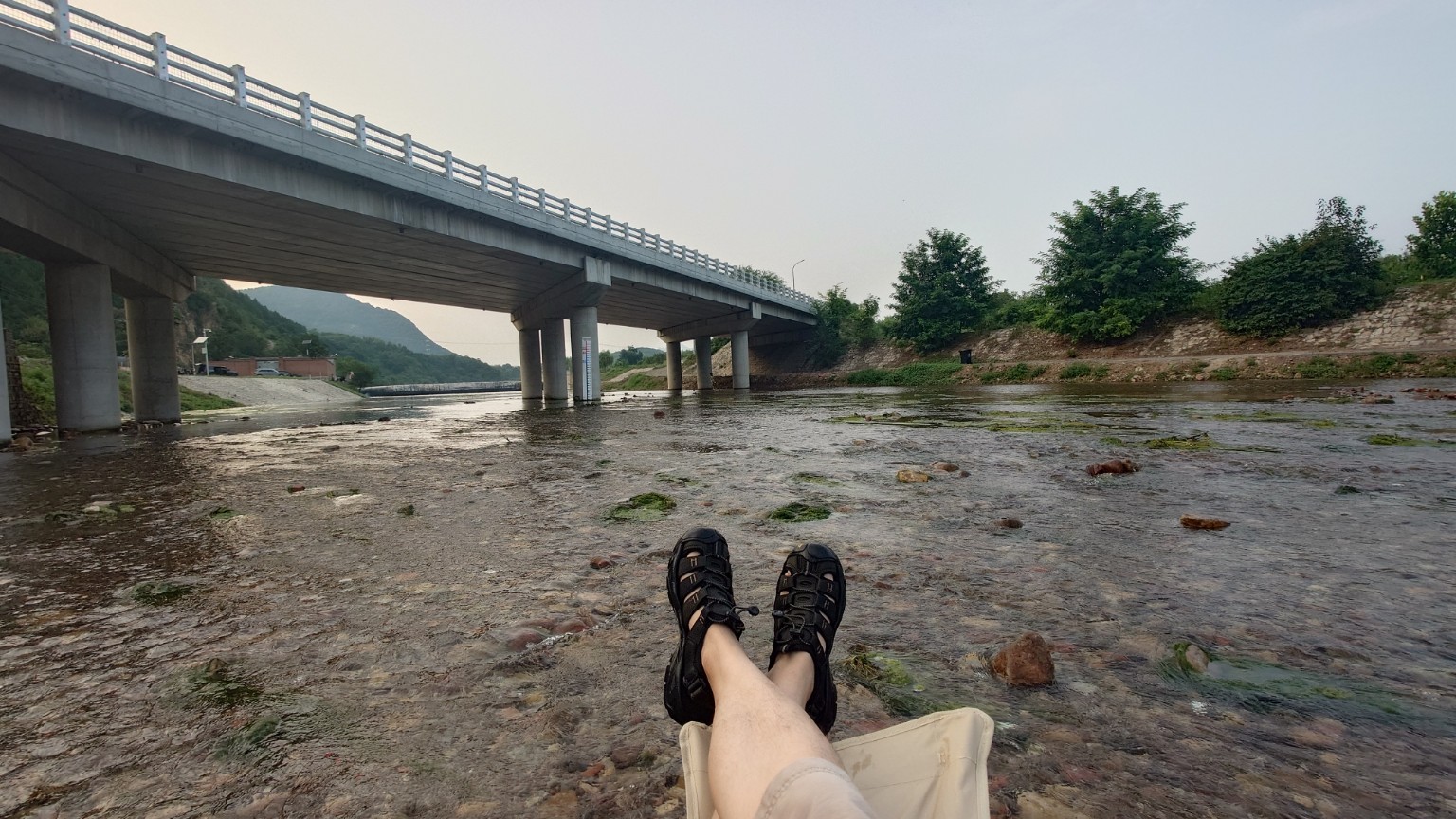
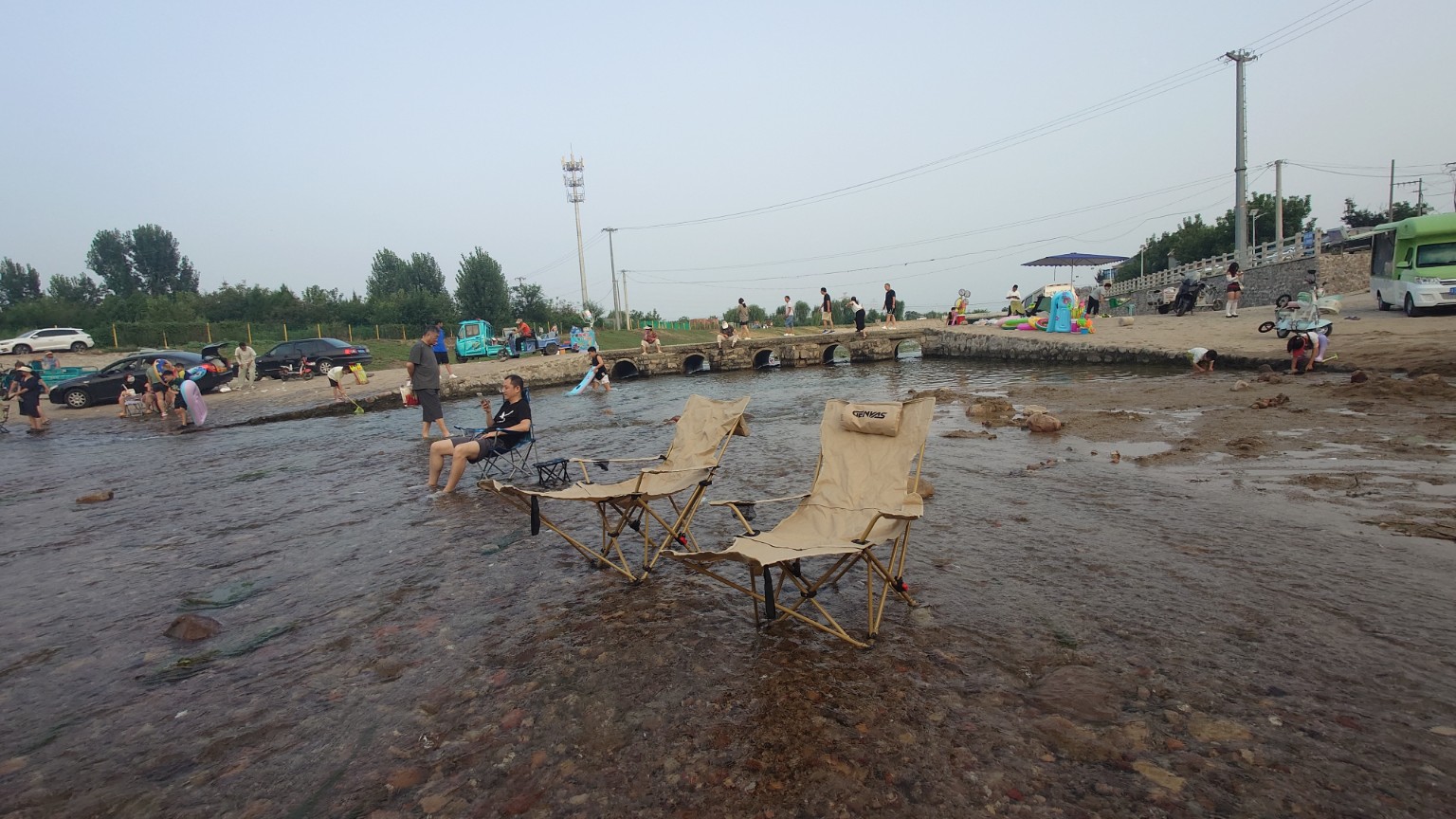
This is not a finished ‘digital nomad village’, and that may be exactly the point. On an ordinary summer afternoon, work can become surprisingly informal: a folding chair beside—or, where conditions are safe, in the shallows of—a mountain stream, a mobile-data connection, and clients or collaborators thousands of kilometres away.
The physical location is rural Beijing. The working network may still be global.
Coffee reaches further into the countryside than expected
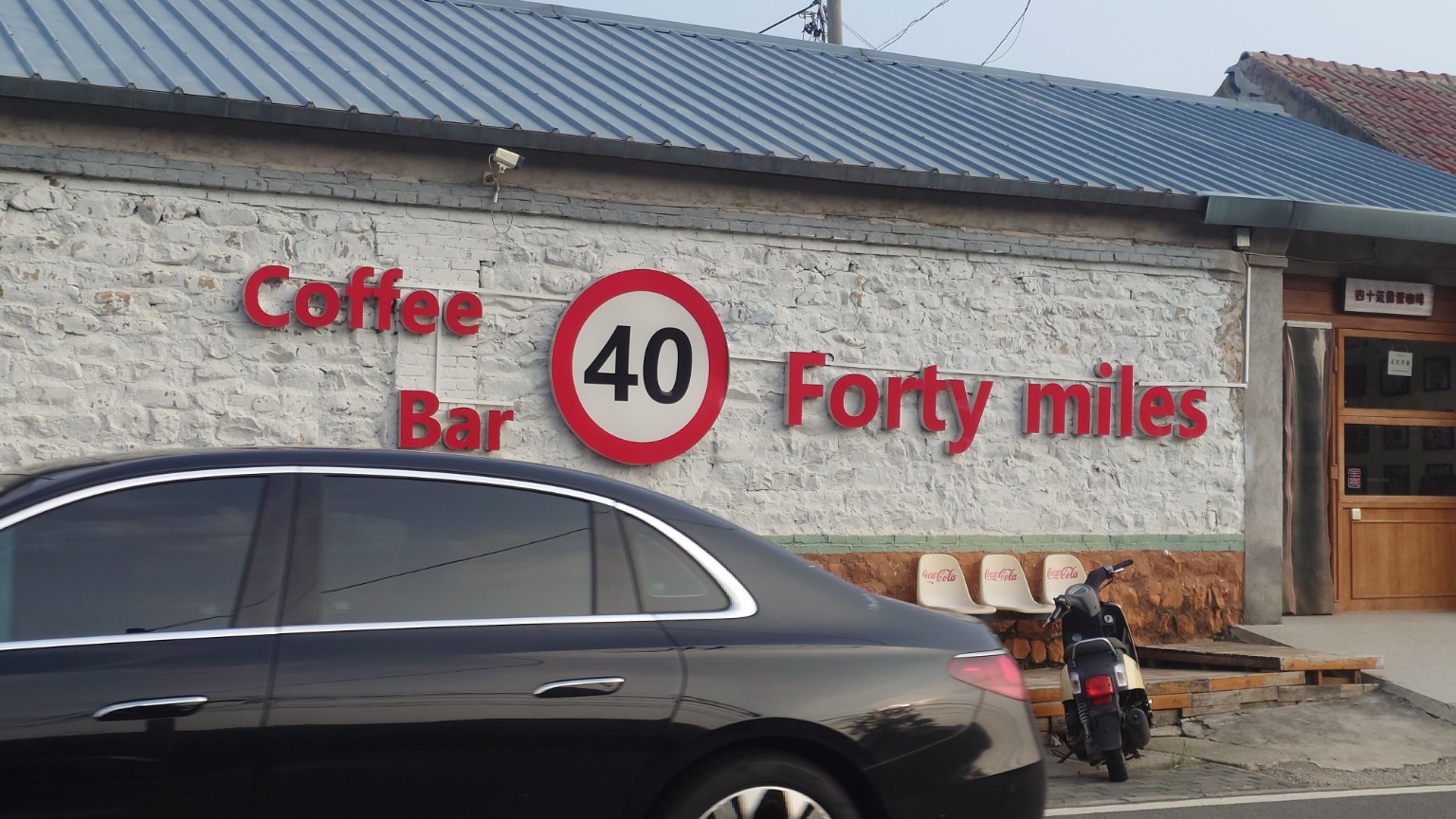
Pinggu's leisure economy reaches well beyond the district centre. Small cafés, mobile vendors and visitor facilities appear around some recreational areas and village projects. In Zhenluoying itself, official and local reporting has documented rural projects combining coffee, cycling, agriculture and outdoor recreation, including Forty Miles coffee and the Thousand-Mu Terraces in Xiaying Village.
This is not a promise that every riverside spot has coffee, strong mobile coverage or visitor services. Conditions can change from one village—or one bend in a valley—to the next. Test the exact location, network and opening hours you intend to rely on.
Founder Fit — Pinggu
Pinggu is not merely somewhere to escape the city. Its 2026 Rural Entrepreneurship Competition and Rural Entrepreneurship Camp use the unusually direct theme ‘Half Life, Half Business’. The programme is designed to activate underused rural resources and recruit founders who can operate village cafés, courtyard businesses, camping projects, nature education and other sustainable rural ventures.
Competition awards are RMB 50,000, RMB 30,000 and RMB 10,000. The official recruitment and support package describes possible links to construction, talent and entrepreneurship policies for qualifying landed projects. Treat those policy combinations as an application-specific route to investigate, not a funding assumption in an early operating budget. Strong project leaders receive priority for the Huigu Plan, including support connected with talent status, professional qualification recognition, talent apartments and investment links.
For an AI-native founder, the district's larger agricultural direction makes the opportunity wider than tourism: AI + agriculture, digital trade, rural services, content, food brands and outdoor businesses can all connect a global operating model to a distinctly local economy.
Policy opportunity to investigate
Pinggu’s published Chuangyou Eight Measures are a district-level policy signal, not a Zhenluoying property programme. The release describes support routes spanning eligible arrival-stage stays, talent housing, rural housing products, incubator workspace and tiered project or talent support.
Check whether the applicant, project and specific address fit a current programme. Begin with the named district talent or industry team; then ask the village committee or asset operator how the specific house and local route fit. This does not mean Zhenluoying itself supplies every benefit, or that a rural lease automatically qualifies.
Peach country, mountain life—and global work
Pinggu is one of Beijing's major agricultural districts, and agriculture remains part of ordinary life rather than scenery preserved only for visitors. Pinggu Da Tao—its famous peaches—are a defining product. White peaches, flat peaches, nectarines and yellow peaches extend across a long season, while orchards, roadside fruit stands and local markets can become part of daily life.
If you genuinely like fruit—especially peaches—that alone may be a surprisingly good reason to spend part of the year here. The more interesting story, however, is not simply agricultural tourism.
Pinggu contains hundreds of villages and has encouraged entrepreneurs, rural operators, young people and creative projects to participate in village development. The phrase ‘new villager’ (新村民) is not a formal legal residency category. It is a useful description for incomers who become part of a village's economic and social life through a café, courtyard, outdoor project, remote work or sustained local participation.
For people who prefer less ‘internationalisation’
Pinggu may be especially interesting if you do not want another expat-oriented neighbourhood. Village streets, orchards, farm plots, mountain roads, family restaurants and small rural businesses still define much of the landscape. English availability and foreigner-oriented services are thinner; that is a limitation for frictionless international living and, for some people, precisely the attraction.
You can participate in a global economy without living inside an internationally packaged environment. Your clients may be in London, Singapore, Mexico City or San Francisco; your afternoon break may involve peaches from a farmer down the road; your evening may be a walk into the mountains.
The result is a little less coworking hub, a little more orchard—a peach-flavoured global startup experience.
- Come for the mountains.
- Stay for the peaches.
- Build globally from somewhere unmistakably local.
Mountain comfort comes with mountain weather
Zhenluoying's elevation is part of what makes summer pleasant, but mountain terrain also brings real rainfall and geological risk. During heavy rain, Beijing and Pinggu authorities may warn of flash floods, landslides, rockfalls and related hazards. Township and village staff inspect vulnerable areas, restrict access and, when necessary, organise evacuation or temporary relocation.
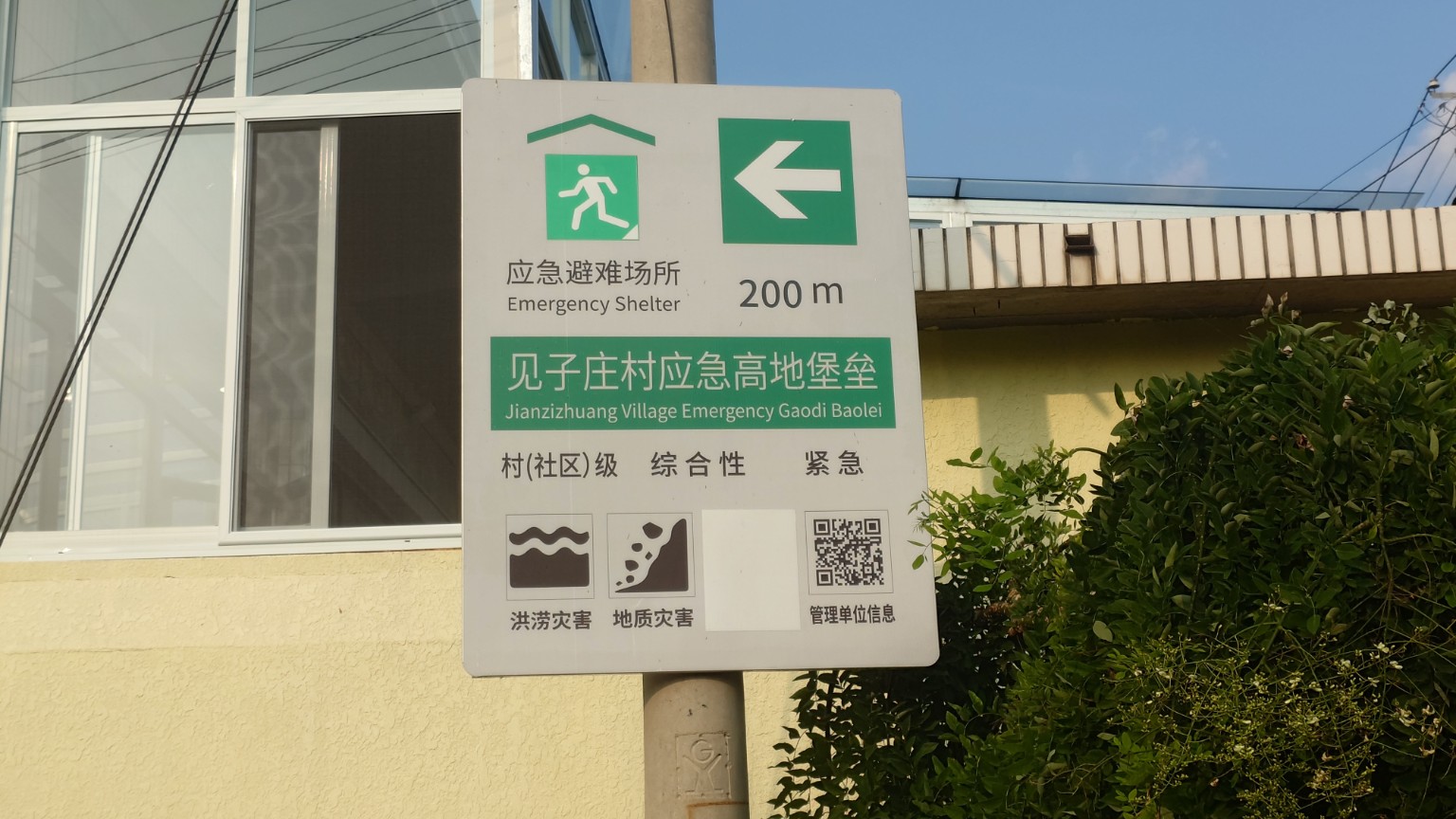
Beijing has also developed designated high-ground emergency shelters in mountain communities, locally called ‘高地堡垒’ (gaodi baolei). These are practical refuge and emergency-support points rather than military fortresses.
If a weather or evacuation warning is issued, the river is no longer your office. Leave low ground early and follow local instructions.
What to confirm before treating it as a base
Opportunity means visitor infrastructure exists while a stable remote-worker or resident-creator network remains unproven. Confirm housing, legal accommodation registration, transport, mobile coverage, winter conditions and any proposed business use village by village.
A mountain lifestyle can be genuinely relaxed without being frictionless. Test several ordinary workdays, not only a sunny weekend, and speak directly with the property owner, village committee and relevant authorities before committing to a project.
Operating card
Zhenluoying is a mountain-life opportunity rather than a finished remote-worker village. Its useful evidence is a growing township-level leisure layer, including Forty Miles coffee and the Thousand-Mu Terraces—not a guarantee that every valley has the same daily services.
- Rent signal — no credible current public courtyard price signal is used here.
- Control and ready-state signal — ordinary village houses and tourism projects coexist; establish the lessor, condition, winter systems and any village or township involvement before comparing price.
- Food, supply and mobility — Forty Miles is a real local signal, but test ordinary groceries, delivery, post-dark transport and wet-weather access at the exact address.
- Evidence status — official reporting plus field photography; availability, service coverage and permitted use require address-level verification.
- Local route — for a proposed commercial, hospitality or conversion use, prefer a village-coordinated discussion where available. If the offer begins with a private owner, bring a relevant village-committee or operator contact into the substantive conversation before spending. That route can clarify local facts and point the proposal onward; it does not decide every approval.