Not one hotel building, but a village-scale operating network
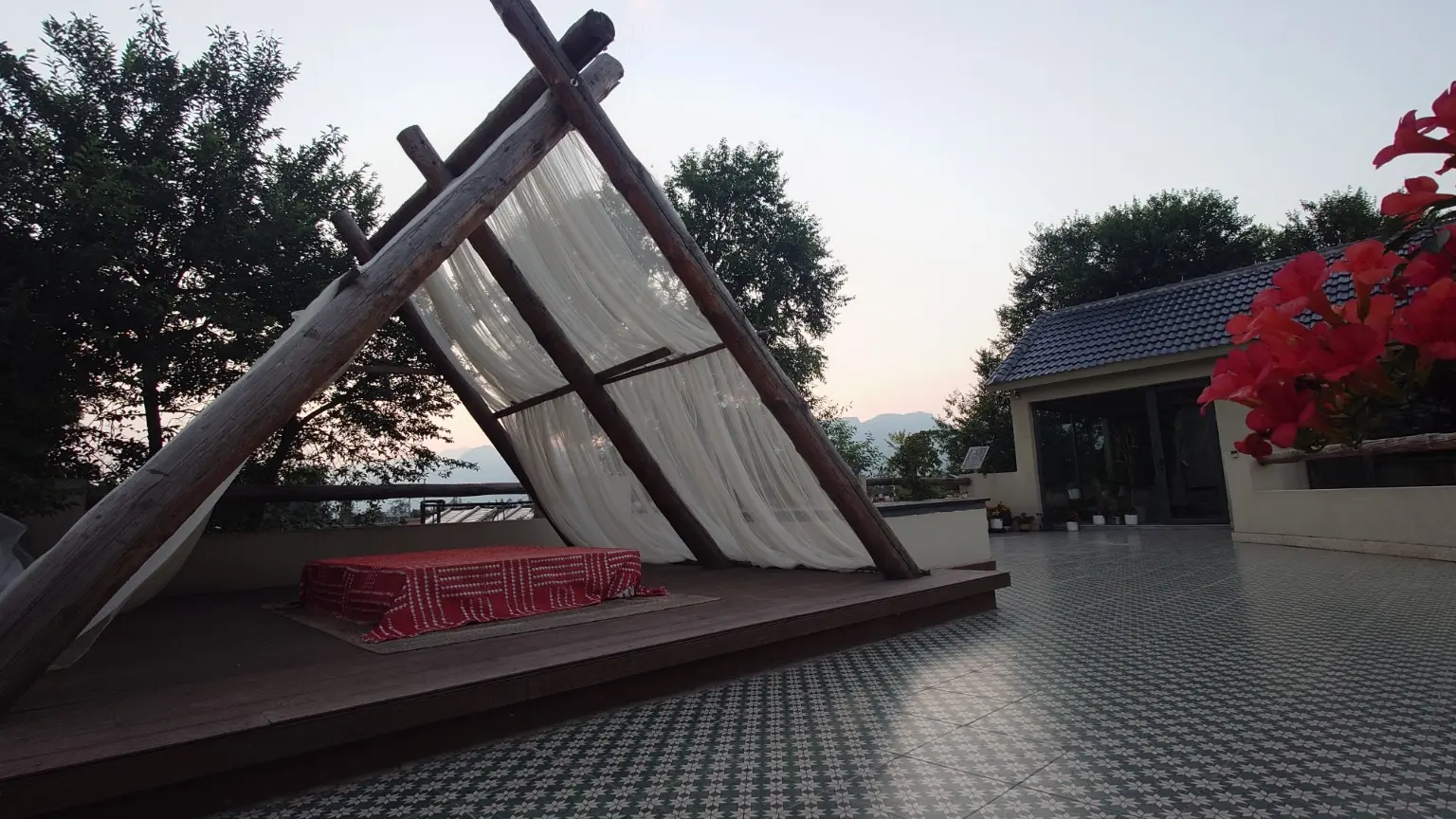
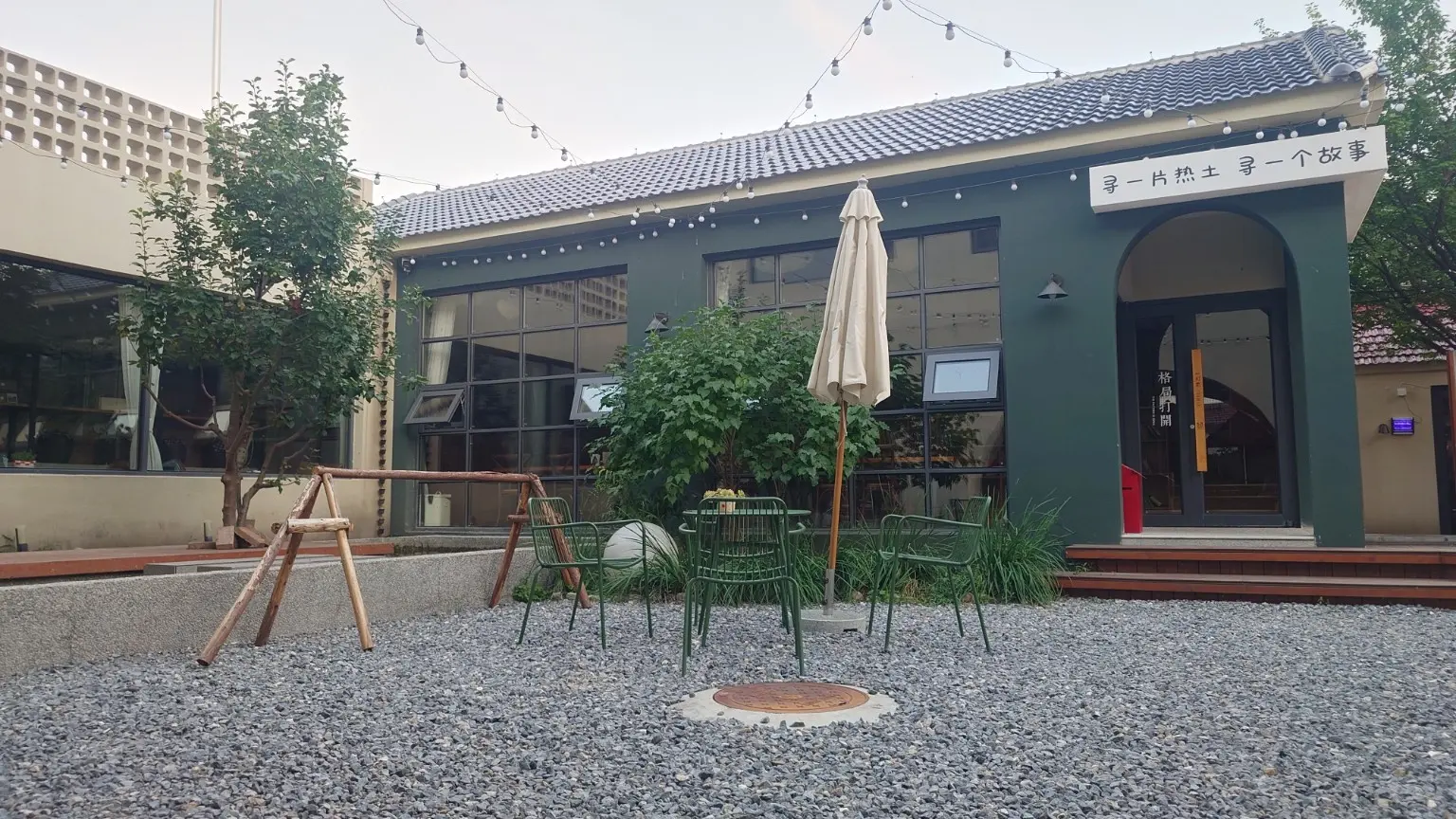
In Suzhuang, an investor has brought more than ten previously unoccupied guesthouse courtyards under one operating system. The houses remain distributed through the village rather than being consolidated into a conventional resort block.
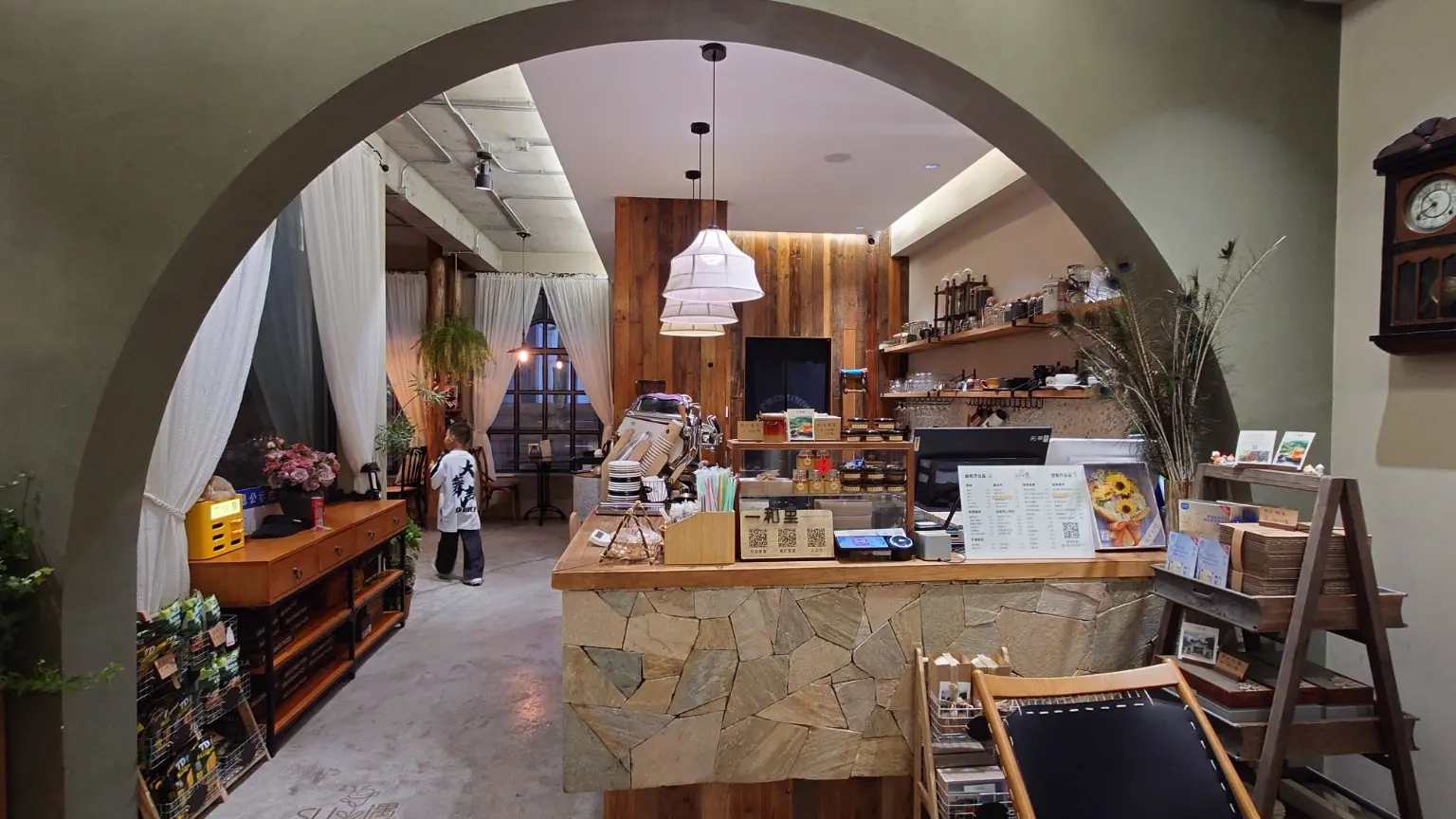
Together they function as a travel-and-stay complex combining accommodation, food, meetings, team activities and customized services. Nearby supporting assets described during the visit included a dedicated fruit-and-vegetable garden supplying the operation and a purpose-built ATV off-road area.
The model resembles a decentralized resort: guests occupy real village houses, while booking, food, activities and group logistics are coordinated across the portfolio.
Whole-house inventory and observed price range
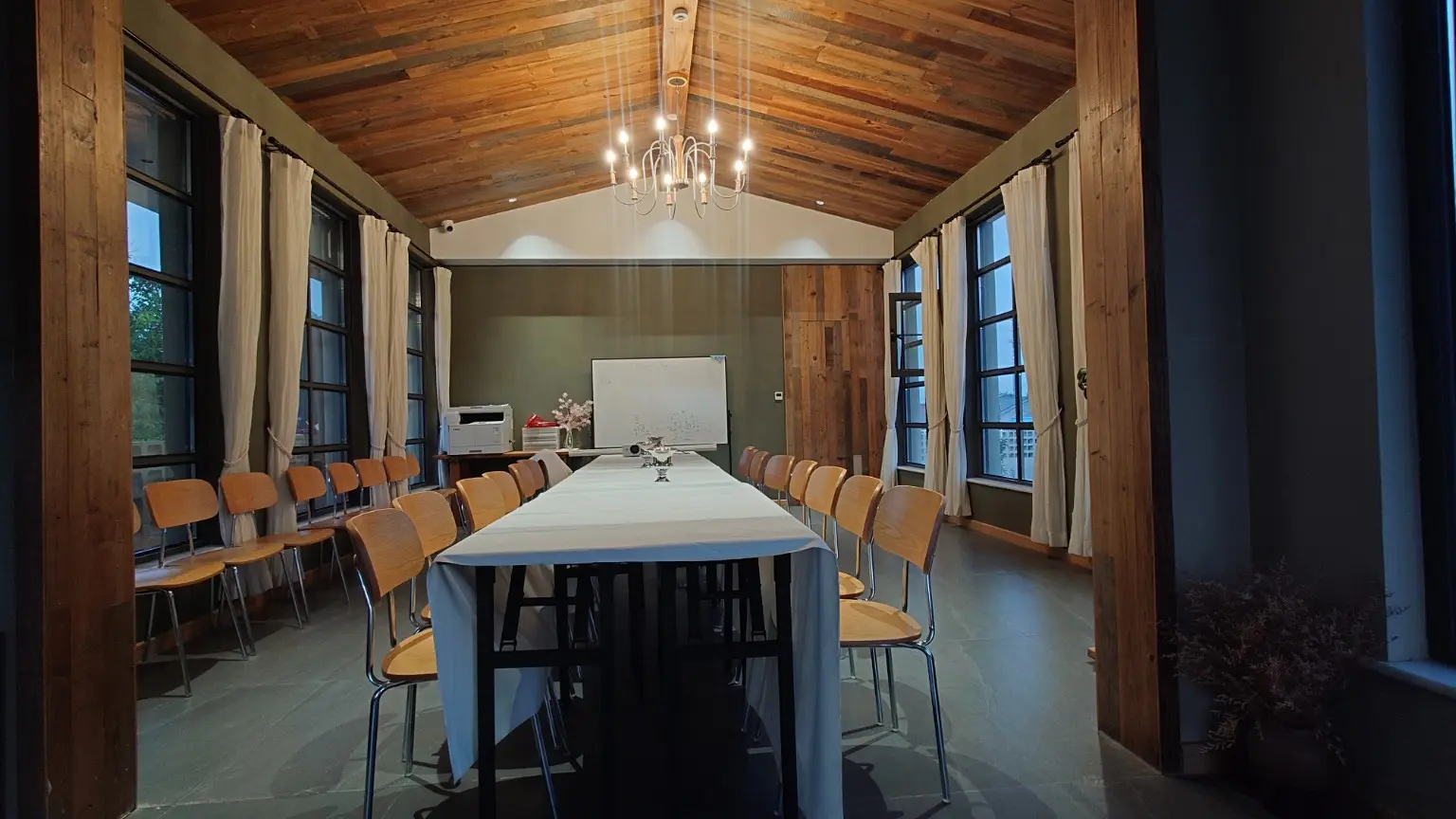
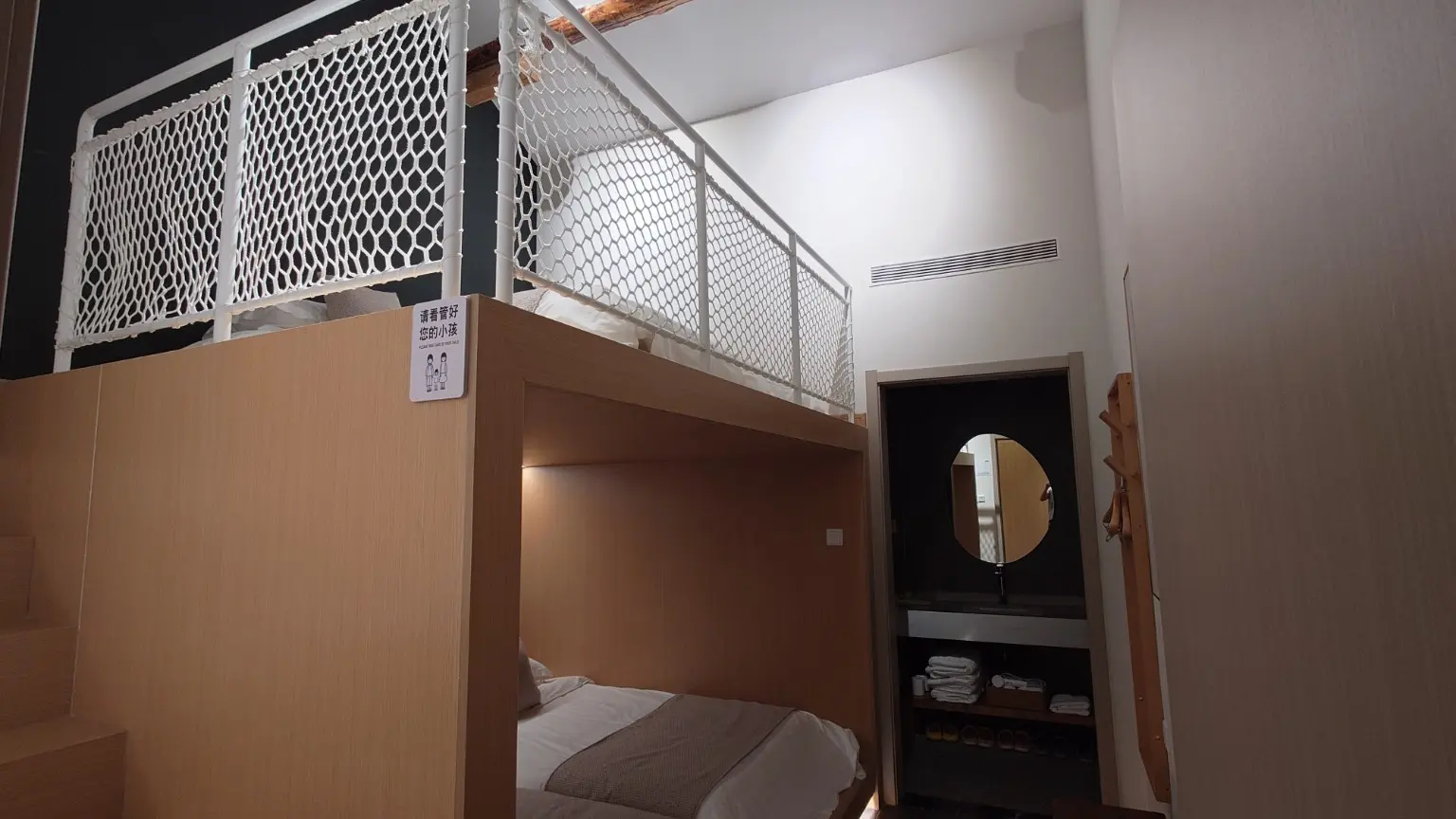
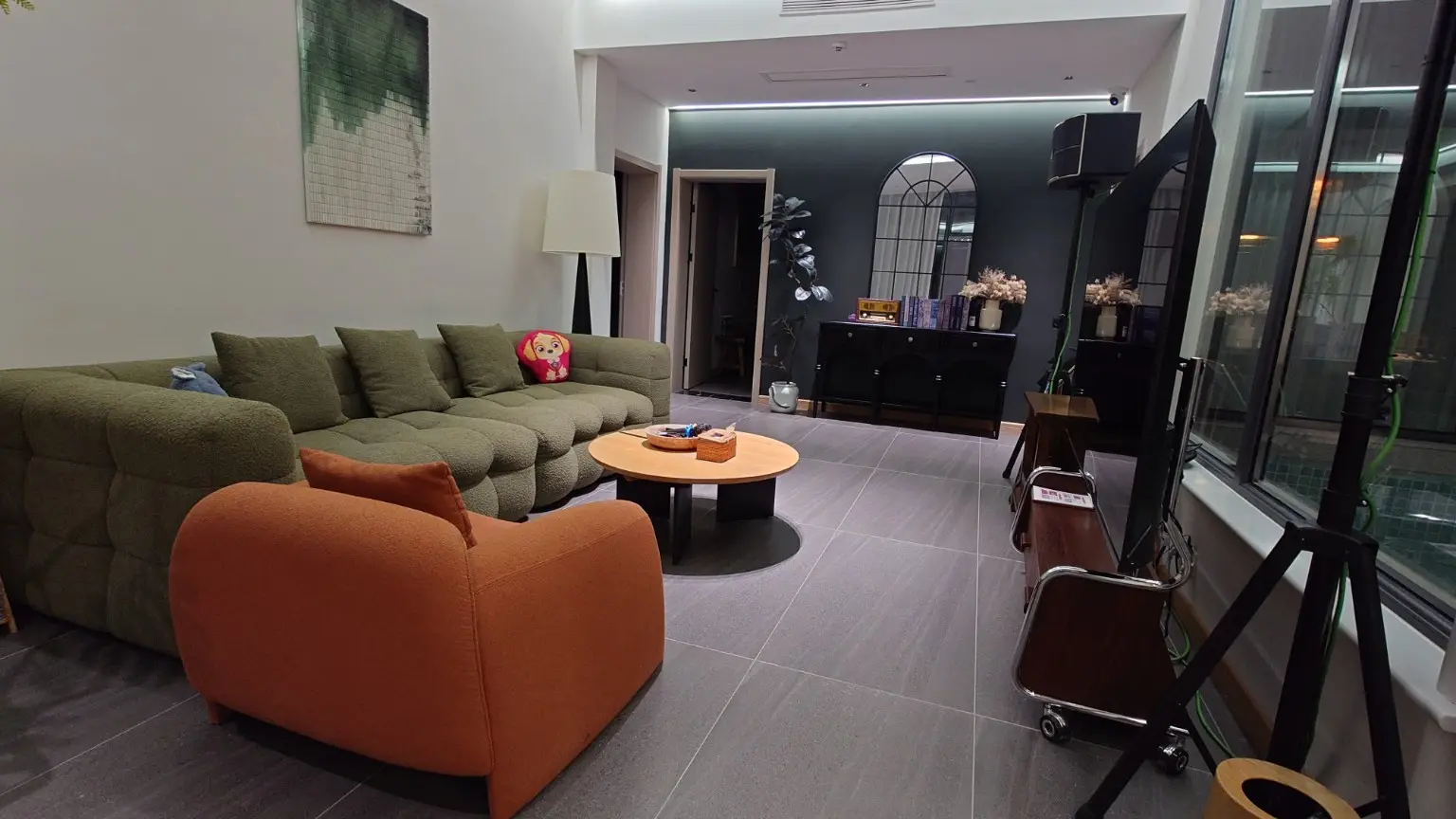
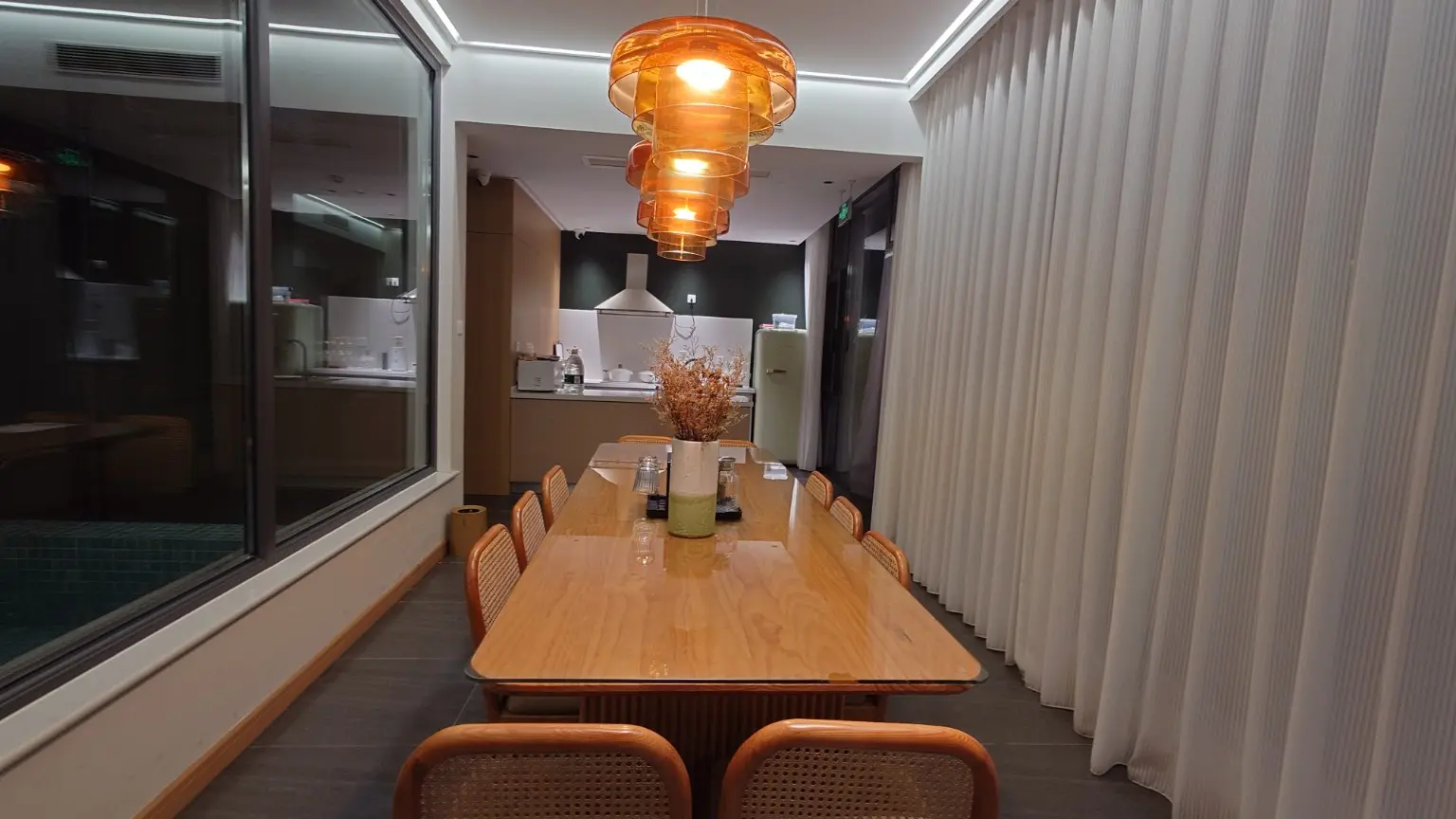
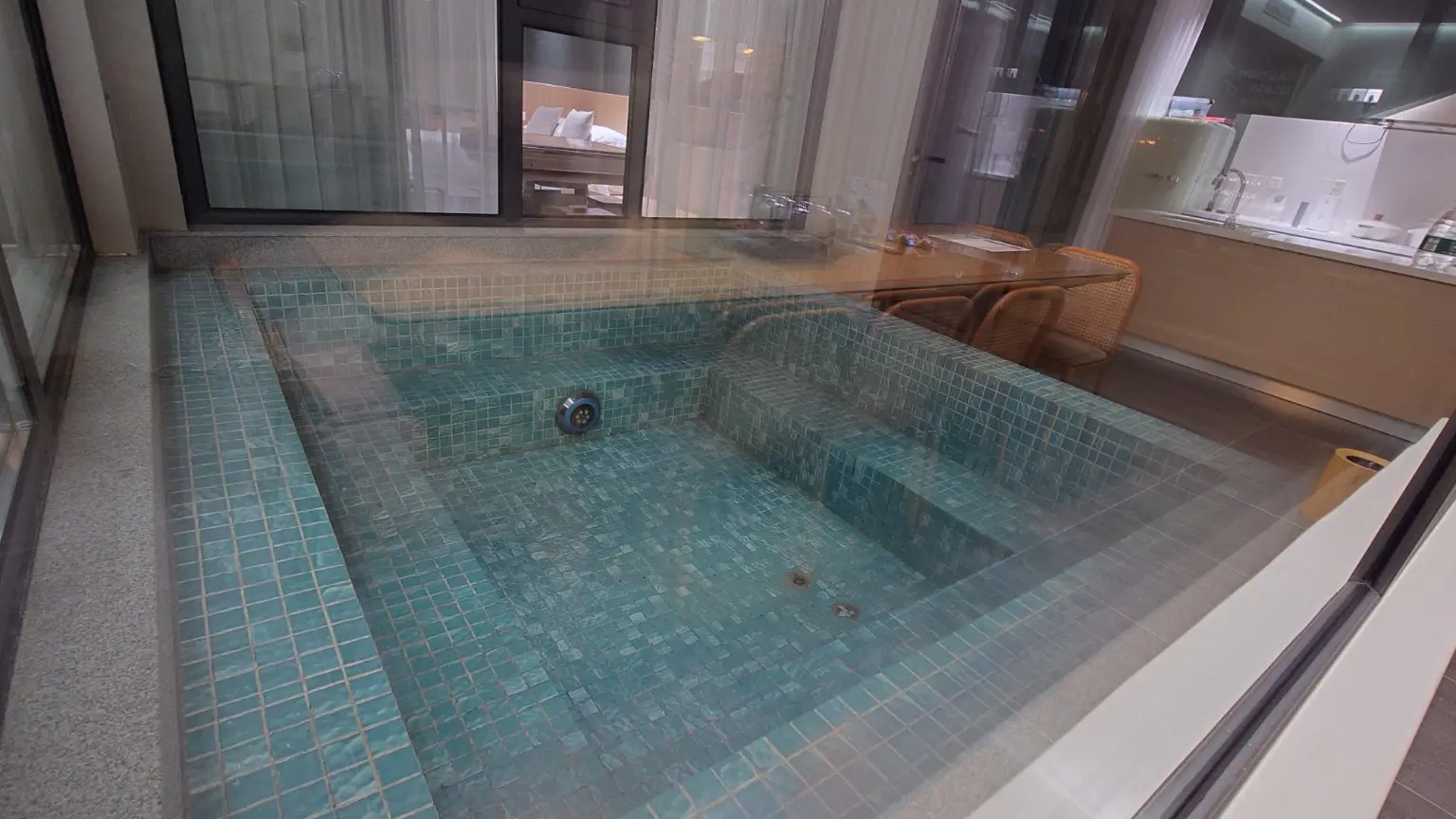
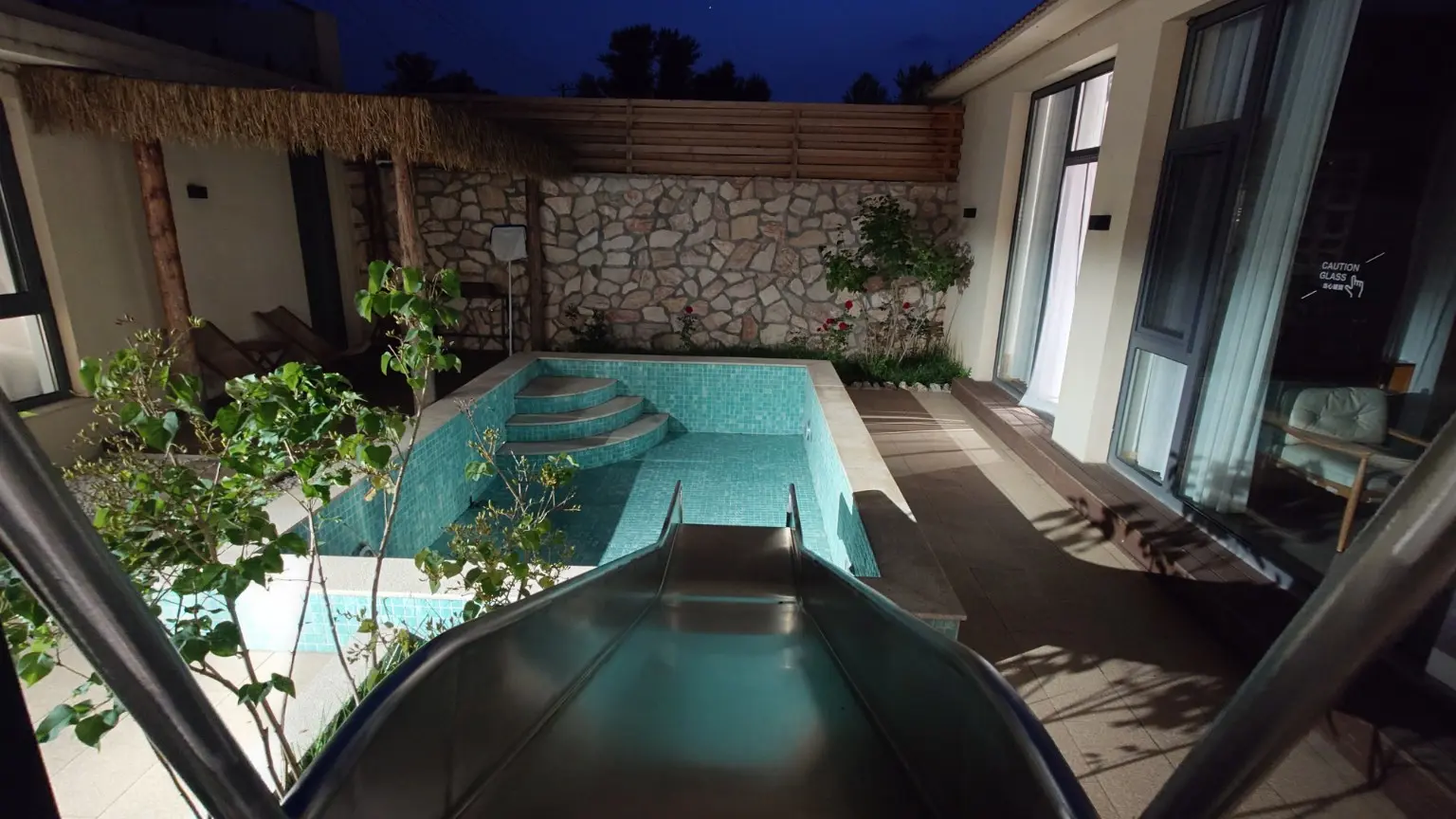
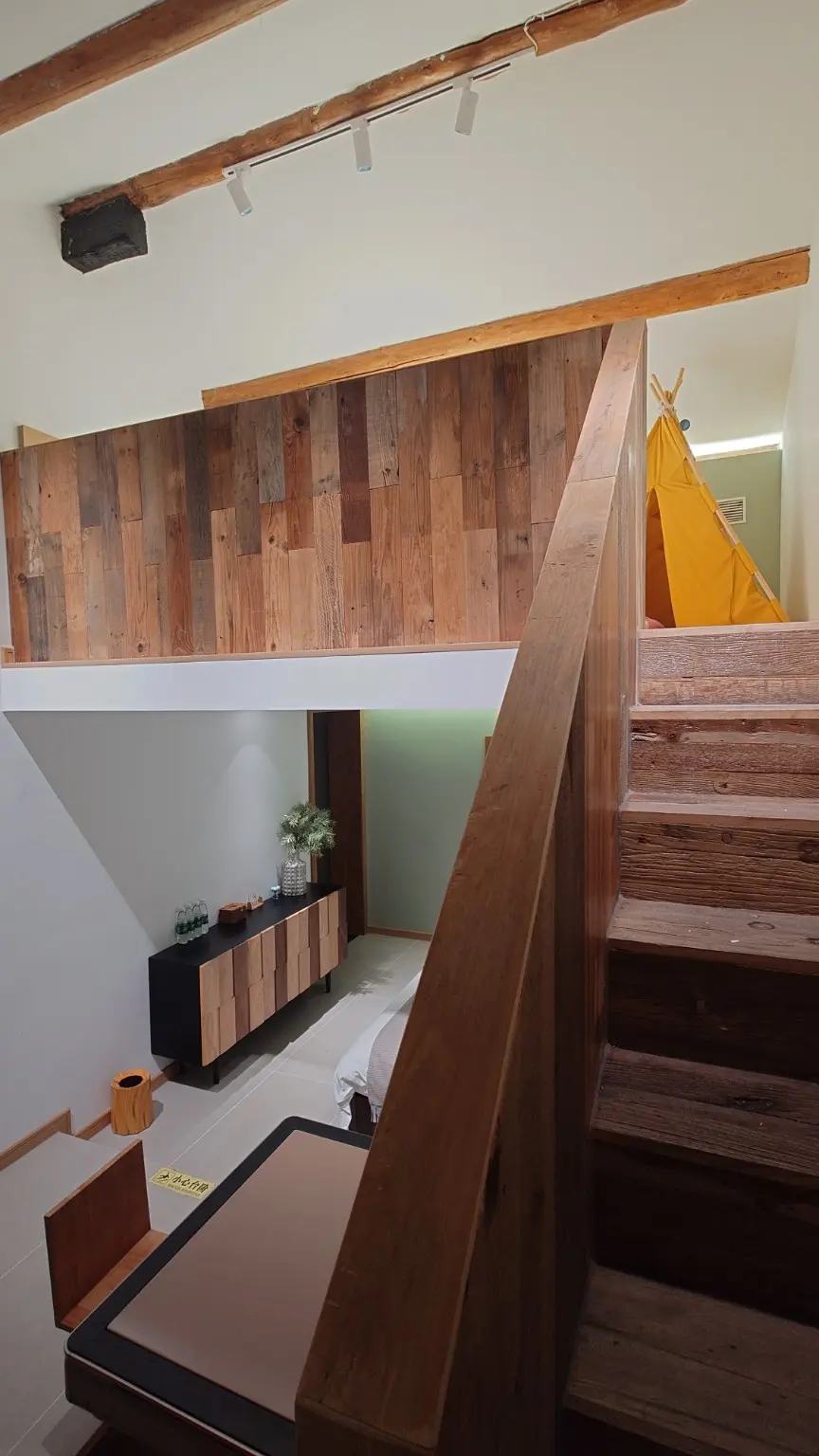
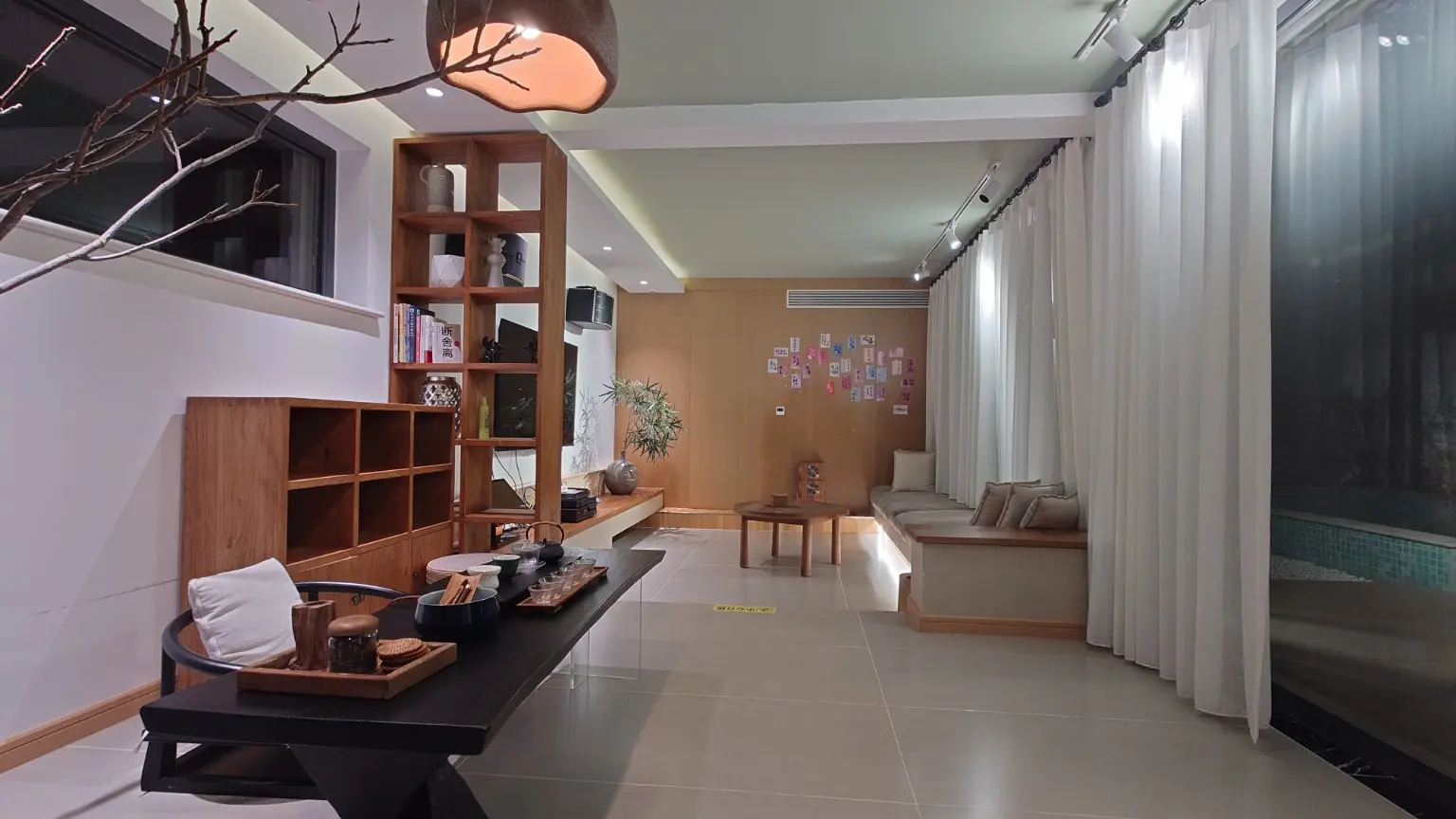
A typical house was described as containing roughly three to five guest rooms. Across the portfolio, layouts included standard rooms, family rooms and split-level rooms. Many houses had substantial common areas; some included a swimming pool or private soaking pool.
The whole-house rate quoted during the visit was approximately RMB 1,800–3,000 per night, with discounts discussed for longer stays and services available on a customized basis. This is expensive for many ordinary Chinese households, but its economics change when the house is treated as shared group infrastructure rather than a single family’s holiday booking.
- For three guests, the observed range is roughly RMB 600–1,000 per person per night before discounts.
- For four guests, it is roughly RMB 450–750 per person per night before discounts.
- At the upper end, the total nightly house cost is roughly equivalent to US$400, subject to exchange-rate movement and payment fees.
- Confirm whether meals, cleaning, activities, heating, pool use and transport are included or separately priced.
The house already behaves like a temporary home
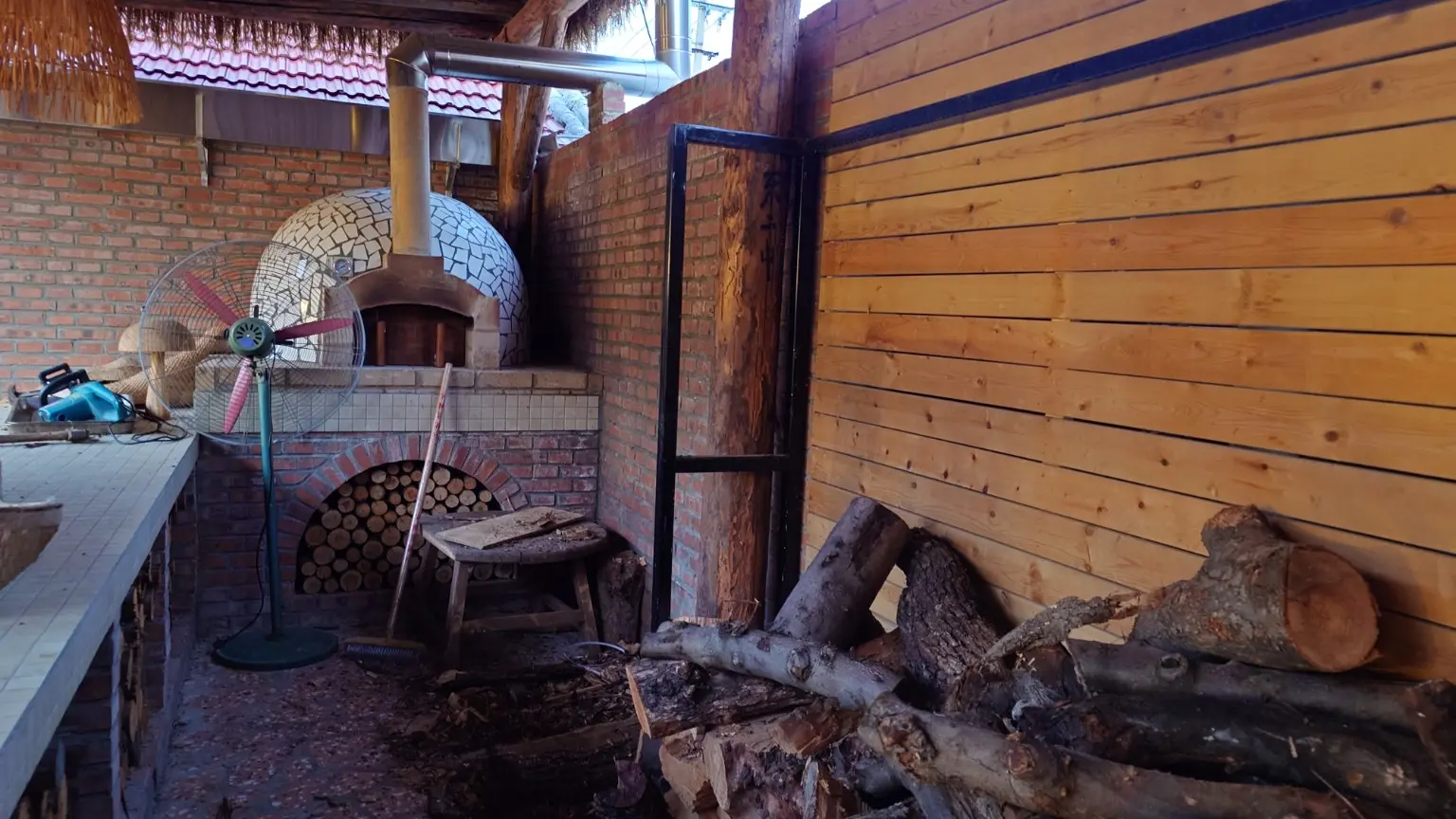
The inspected houses were not merely collections of bedrooms. Shared spaces included residential kitchens, dining tables, lounge areas, exercise and entertainment equipment, meeting rooms, courtyards and barbecue facilities. Some rooms or common areas also included mahjong tables and other leisure equipment.
This matters for stays measured in weeks rather than weekends. A group can cook, work, hold a meeting, spend an evening together and still retreat to separate rooms. The operation can also provide an all-inclusive package—conceptually closer to a Cancún resort—when a group prefers meals and activities to be handled for them.
Buffer housing: arrive first, choose slowly
Suzhuang demonstrates a useful immigration-and-settlement sequence. A new arrival does not have to choose a long-term courtyard from abroad, sign a rural lease immediately or renovate before understanding the area.
Instead, a small cohort can reserve an operating guesthouse as buffer housing. From there they can complete practical arrival tasks, experience ordinary village life, learn enough Chinese for daily interaction and inspect long-term homes without urgency.
The guesthouse absorbs the riskiest transition period. It provides working utilities, furnished rooms, food options and an operator who already understands the local environment. The residents can then ‘ride the donkey while looking for a horse’: live somewhere functional while searching for the place they actually want.
- Phase 1: book several days together and test whether the group functions well.
- Phase 2: negotiate a multi-week or multi-month rate and establish daily routines.
- Phase 3: inspect long-term houses, compare villages and meet local institutions.
- Phase 4: move only after the lease, utilities, permissions and renovation burden are understood.
A cohort is protection against social isolation
Translation software and AI can solve a menu, a delivery call or a government form. They cannot by themselves supply friendship, shared humour or someone to speak with at the end of a difficult day.
Three or four foreign remote workers sharing a large guesthouse begin with a small social world already intact. They can divide costs, help one another through unfamiliar procedures and enter local life gradually rather than forcing every newcomer to overcome language and cultural isolation alone.
The objective should not be permanent separation from the village. Buffer housing works best when it gives residents enough confidence and stability to learn Chinese, meet neighbours and build local relationships without making loneliness the price of integration.
Why the model is bigger than Suzhuang
Comparable whole-courtyard guesthouses exist in large numbers around Beijing. Suzhuang is useful because one operator has assembled enough houses and services to make the mechanism visible, but the strategy does not depend on this single village or business.
A cohort can use almost any legally operating, well-connected rural guesthouse with reliable internet, heating, cooking or meal service and suitable common space. The temporary address becomes a search base rather than a final commitment.
- Confirm that the property can lawfully receive foreign guests and complete accommodation registration.
- Test internet upload speed and mobile backup service from the actual room.
- Ask about winter heating, utility limits, cleaning and long-stay laundry.
- Clarify kitchen access, outside food, visitors, pets, quiet hours and work-related gatherings.
- Get cancellation, deposit, damage and early-departure terms in writing.
Fit, advantages and limits
Suzhuang offers a comparatively high-comfort base for a small group arriving together before deciding where and how to live long term.
- Advantages: move-in readiness, varied room types, substantial common space, food and activity services, group customization.
- Limits: high nightly cost for a solo traveller or ordinary family, tourism-oriented pricing and no substitute for long-term housing due diligence.
- Best use: a three-to-four-person arrival cohort, a founder retreat or a temporary base while searching for neighbouring long-term homes.