The field lesson: place matters less than expected
After driving through multiple locations in Huairou and Yanqing—from busy tourism corridors to quiet old fortified settlements—the site owner reached a different conclusion: the exact village may no longer be the main constraint.
Across much of outer Beijing, water, electricity, internet access and winter heating were available or could be solved through existing village and township systems. This does not make every individual house ready to occupy, but it removes many places from the category of ‘beautiful but operationally impossible’.
Township governments are actively developing tourism and welcoming investment. Even small roadside settlements in Huairou often had credible coffee or Western food nearby. The useful search area is therefore much larger than a shortlist of already-famous new-villager communities.
The scarce resource is companionship
A foreign remote worker can bridge basic transactions with elementary Chinese, translation software or an AI assistant. That solves communication tasks; it does not automatically create belonging.
The more important question may be whether two or three friends can arrive together, rent neighbouring homes and form a tiny social base. Everyday life remains local and Chinese-speaking, but no one has to carry the entire linguistic and emotional load alone.
This changes the selection model. Instead of asking which village already has a foreign community, ask whether a small cohort can create one: several suitable houses, a shared work or gathering room, tolerant neighbours, a responsive village committee and enough nearby services for ordinary life.
- Arrive with two to five compatible people rather than collecting anonymous ‘members’ after signing.
- Rent separately where possible, with one shared place for work, meals or events.
- Choose proximity over identical houses; a five-minute walk can be close enough.
- Keep Chinese-learning and local relationships central rather than building an isolated foreign enclave.
Shuangying: a six-century-old place to test the idea
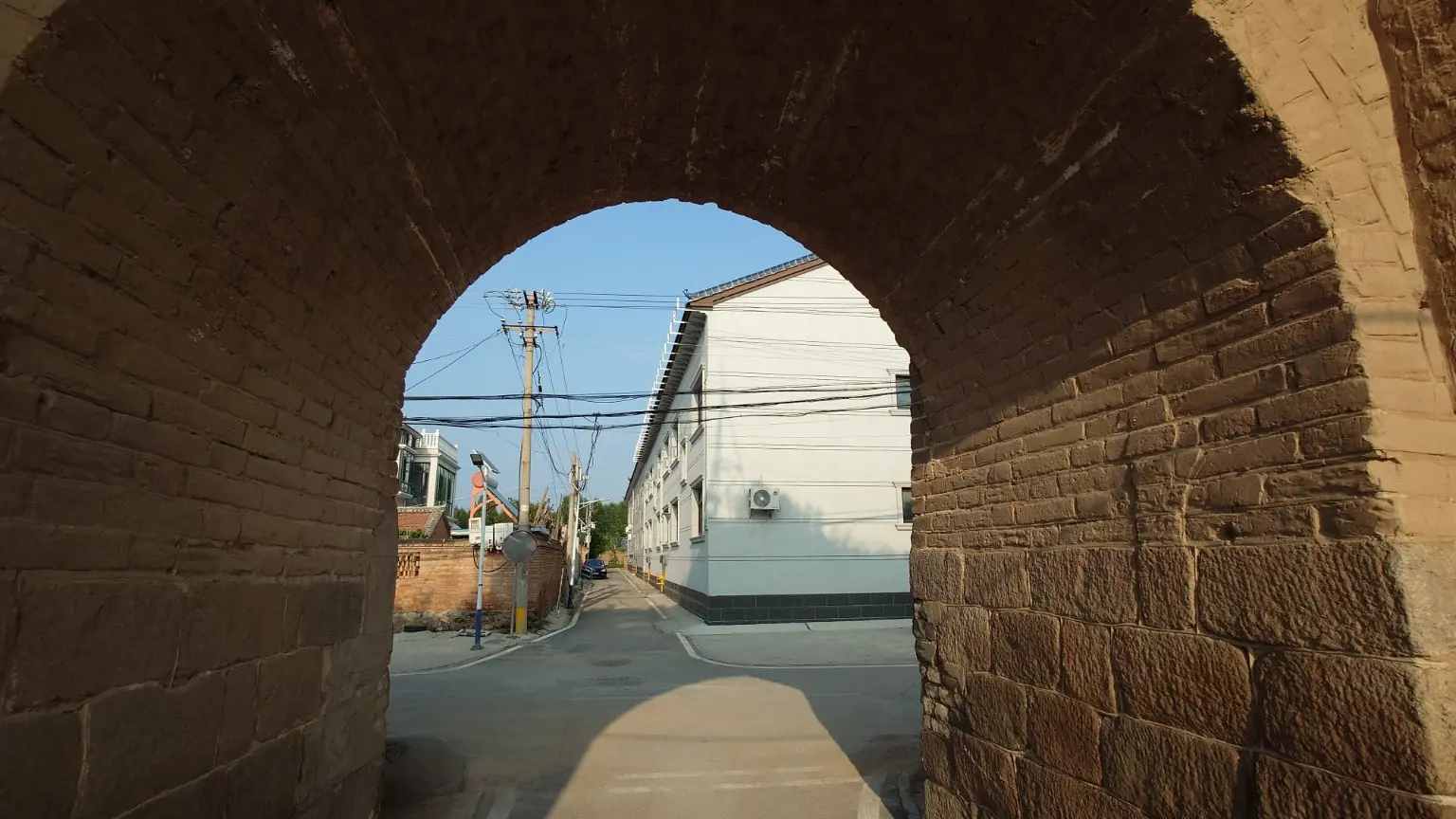
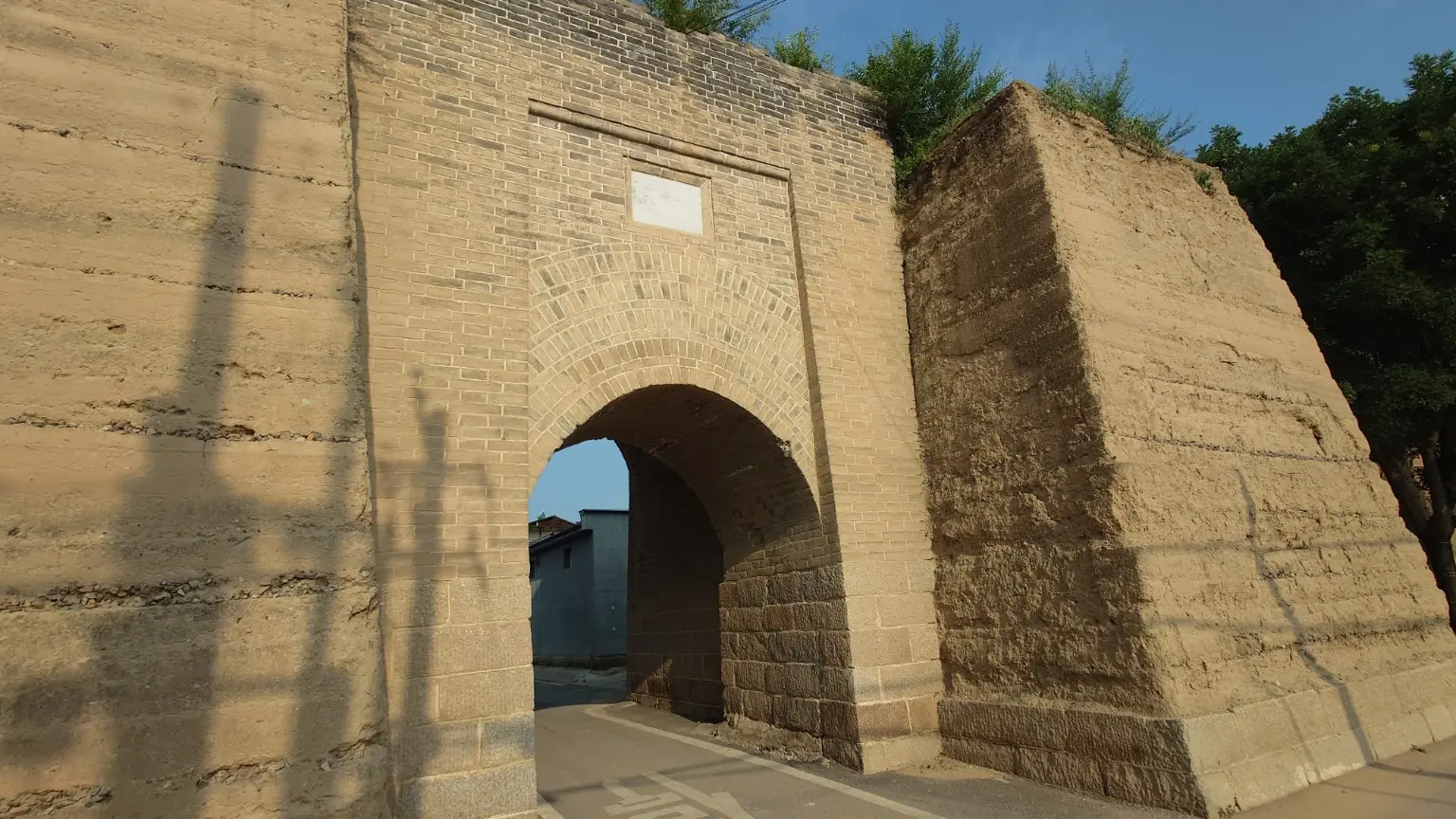
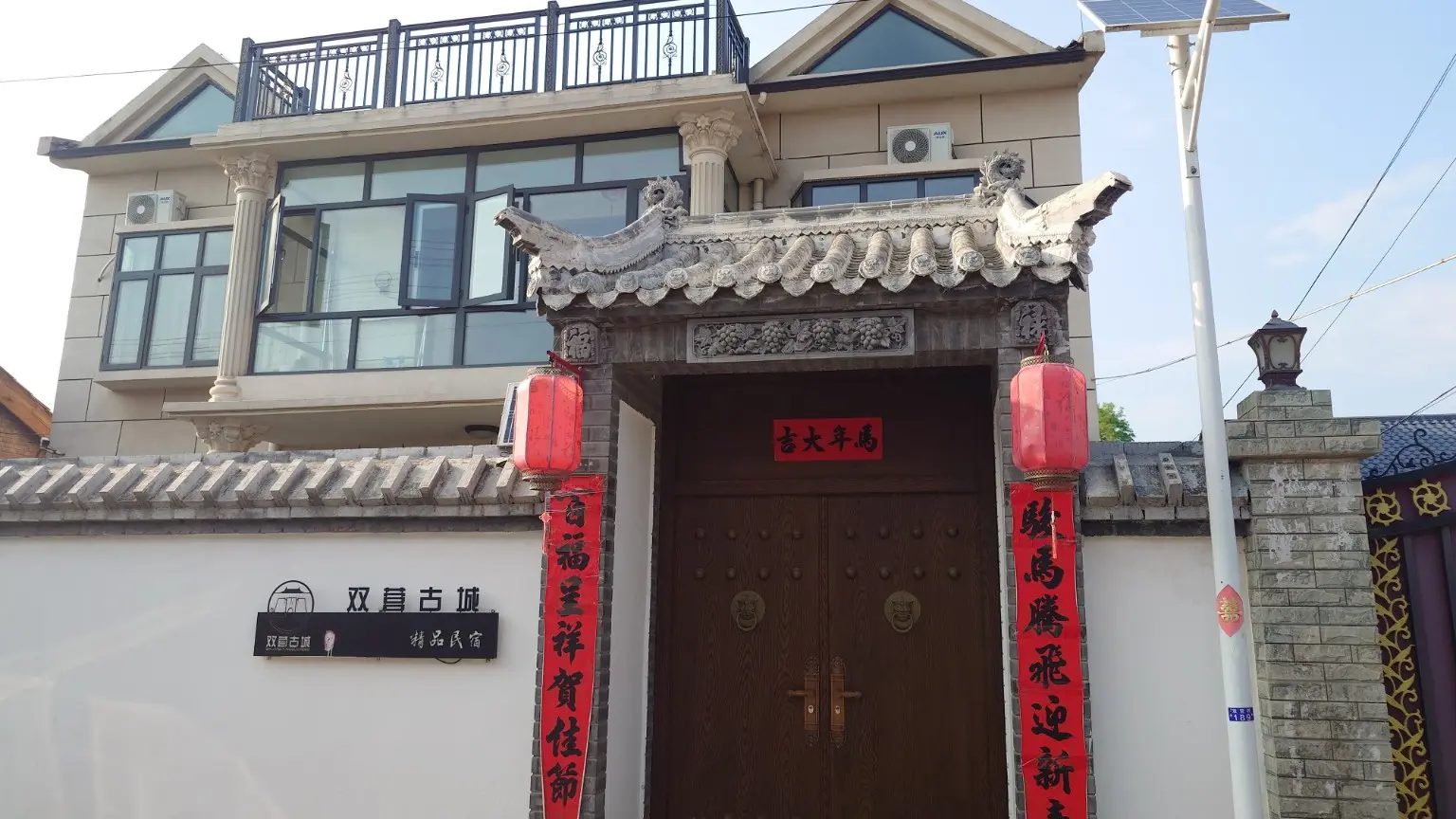
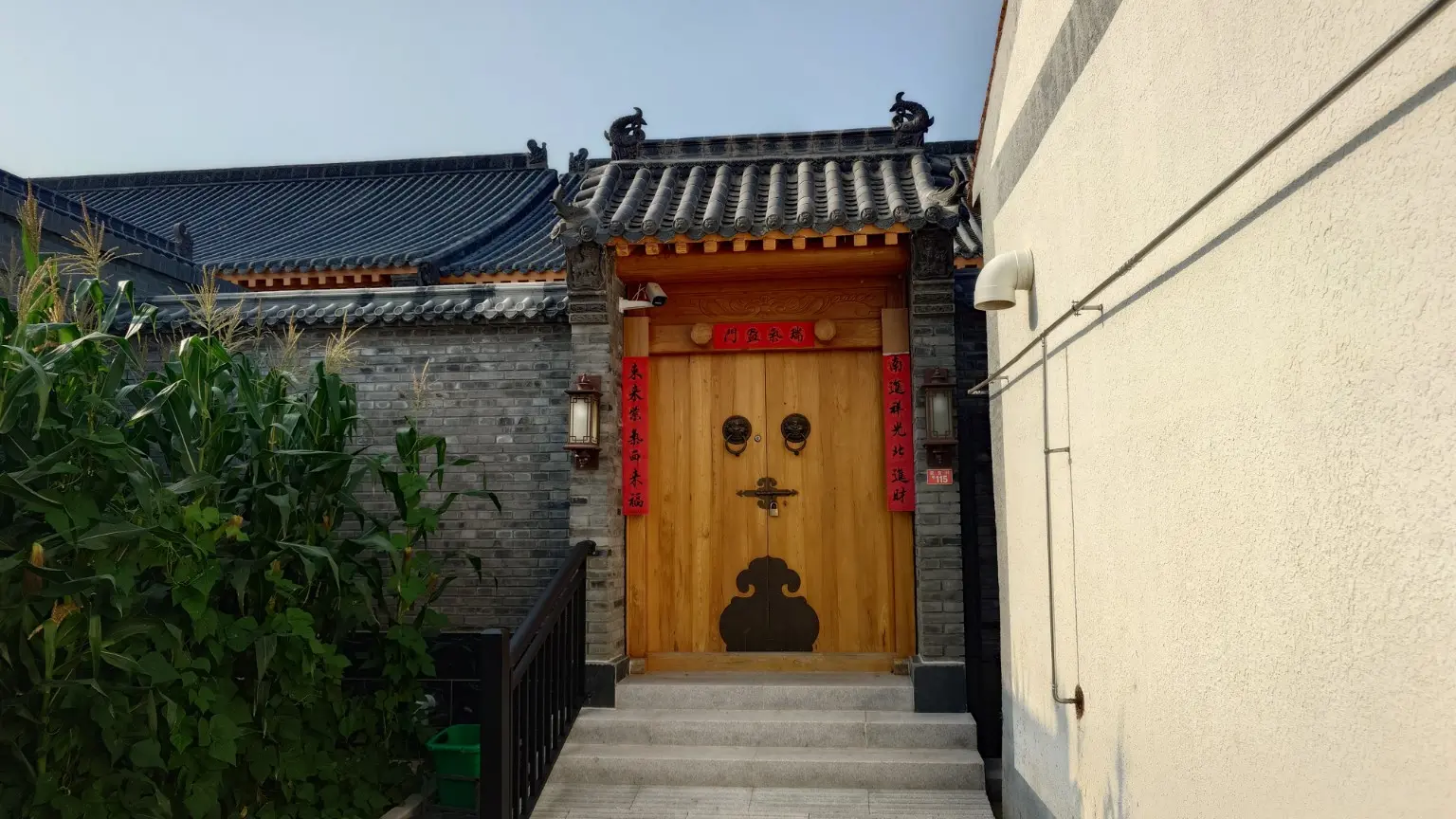
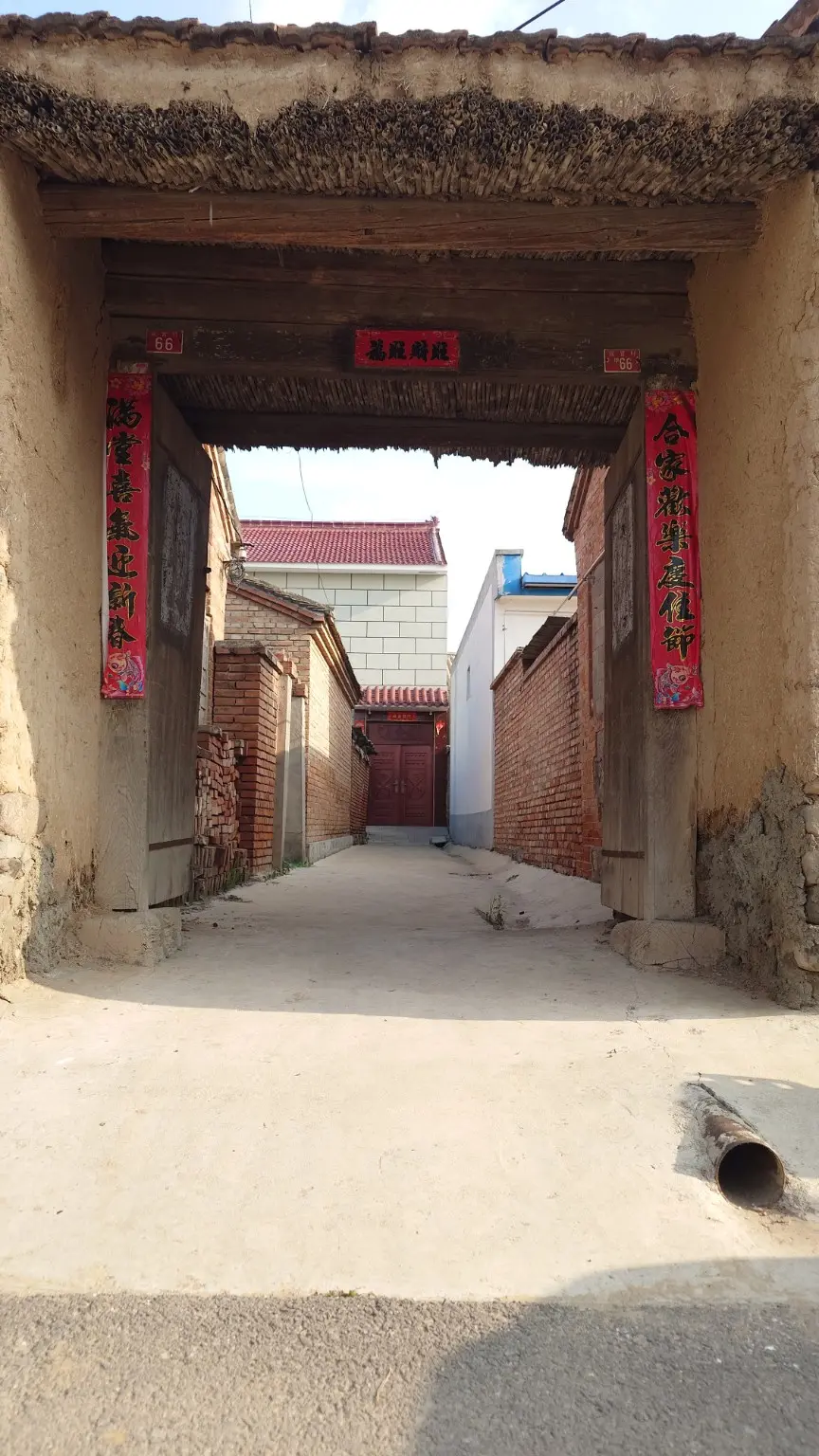
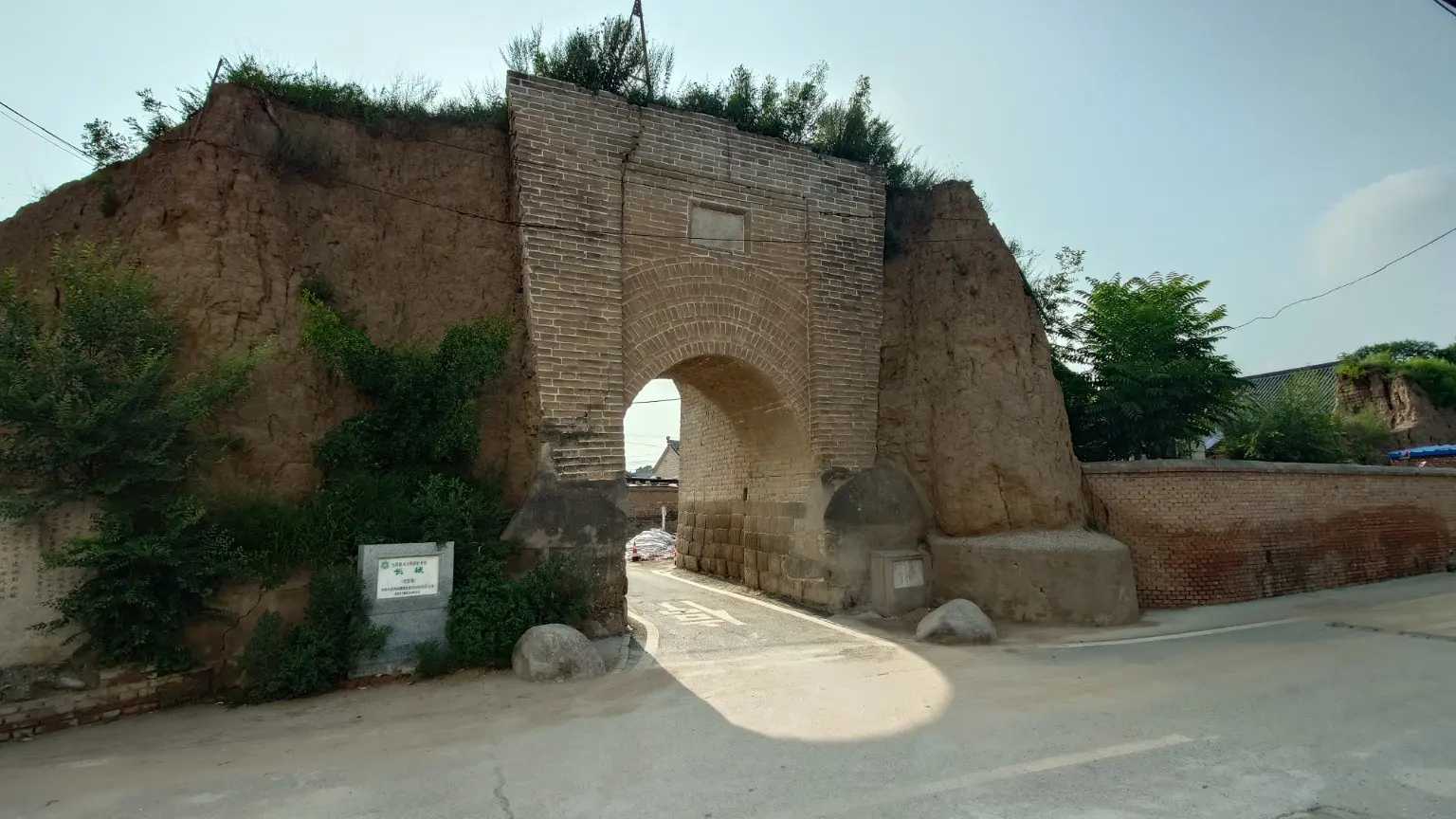
Shuangying’s settlement history is linked to the rebuilding of Longqing Prefecture and the arrival of migrants in 1414. The surviving fortress form was strengthened later in the Ming period. Today, gates, rammed-earth walls, old lanes, renovated courtyards, guesthouses and modern homes remain part of one living village.
That combination makes the thought experiment unusually vivid: several remote workers could build a small company or creative practice inside a settlement with more than six centuries of recorded history, without giving up electricity, connectivity or access to the wider service network of Yanqing.
This is potential, not a claim that Shuangying already operates as a digital-nomad community. The visit established atmosphere, visible building types and surrounding services—not current long-term supply, rent, permitted business use or English-language support.
Outer Beijing is unusually motorcycle-friendly
The Huairou–Yanqing field route also revealed how strongly the outer districts serve recreational motorcyclists. Mountain roads, roadside businesses and tourism facilities repeatedly included parking, rest points or other motorcycle-oriented cues.
For a licensed rider using a legally registered motorcycle, this can materially expand the practical radius between a quiet village, cafés, food, outdoor recreation and nearby towns. It does not remove Beijing licence, road-access, helmet, insurance and local restriction requirements.
How to test a cohort landing
Book several nights locally and treat the stay as an operations test rather than a sightseeing trip. Work a normal day, buy groceries, order a delivery, return after dark and ask about winter life.
- Ask the village committee whether several neighbouring houses are genuinely available.
- Check each house independently for ownership, utilities, structure and permitted use.
- Map a shared kitchen, workroom or event space before spending on renovation.
- Test travel times to a clinic, supermarket, rail or bus connection and county-level services.
- Visit both a busy weekend and an ordinary weekday.
- Agree in advance how the group handles deposits, departures, shared costs and conflict.
Fit, advantages and limits
Shuangying is best read as a cohort opportunity: a quiet historic setting close enough to Yanqing’s wider service network for a few friends to test living and building together.
- Advantages: rare historic fabric, quiet daily environment, existing utilities and nearby tourism services.
- Limits: no established international community and no verified current long-term rental inventory.
- Best first move: organize a three-to-seven-day group working stay before contacting owners about leases.