Check the house against your daily needs
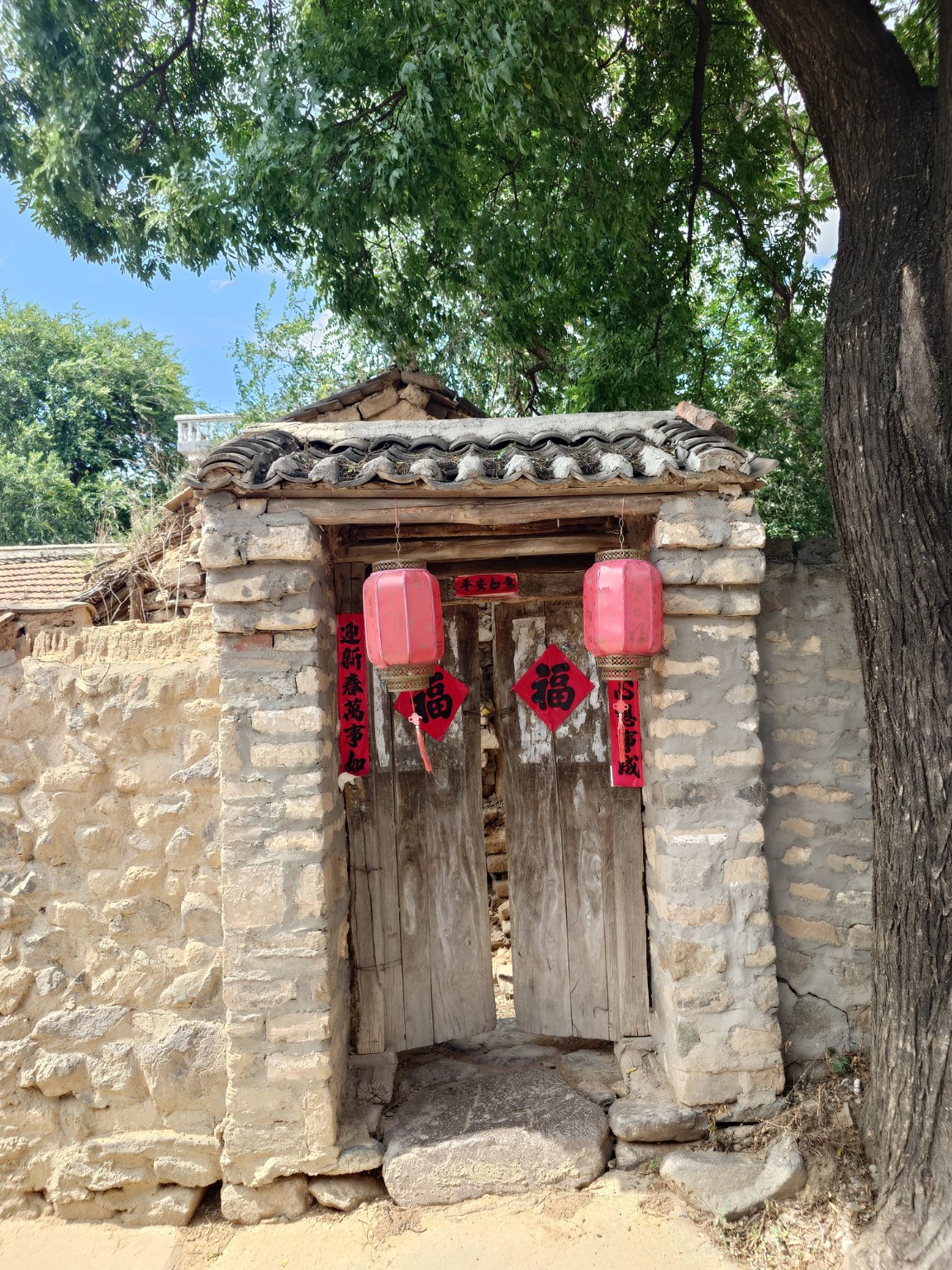
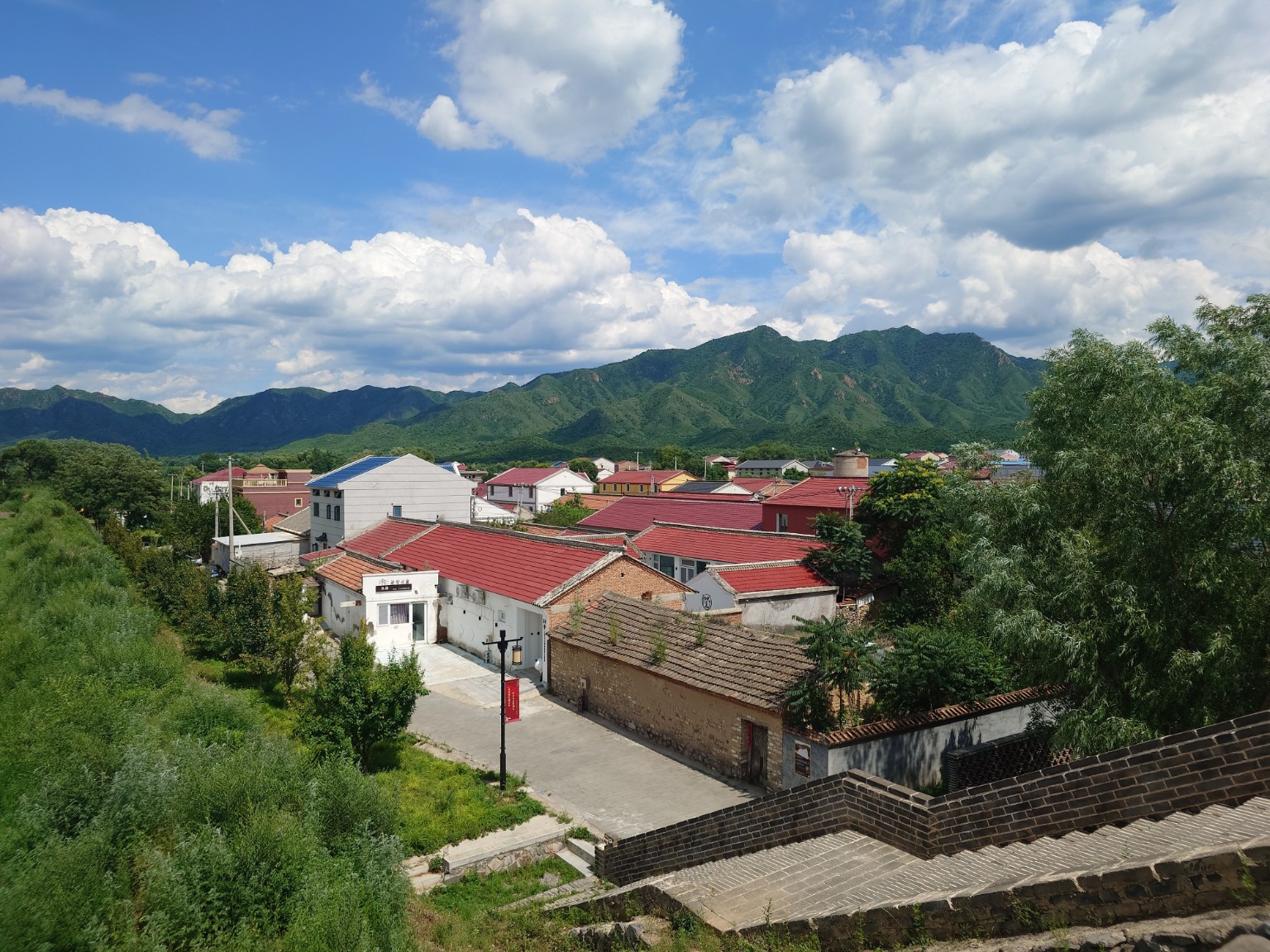
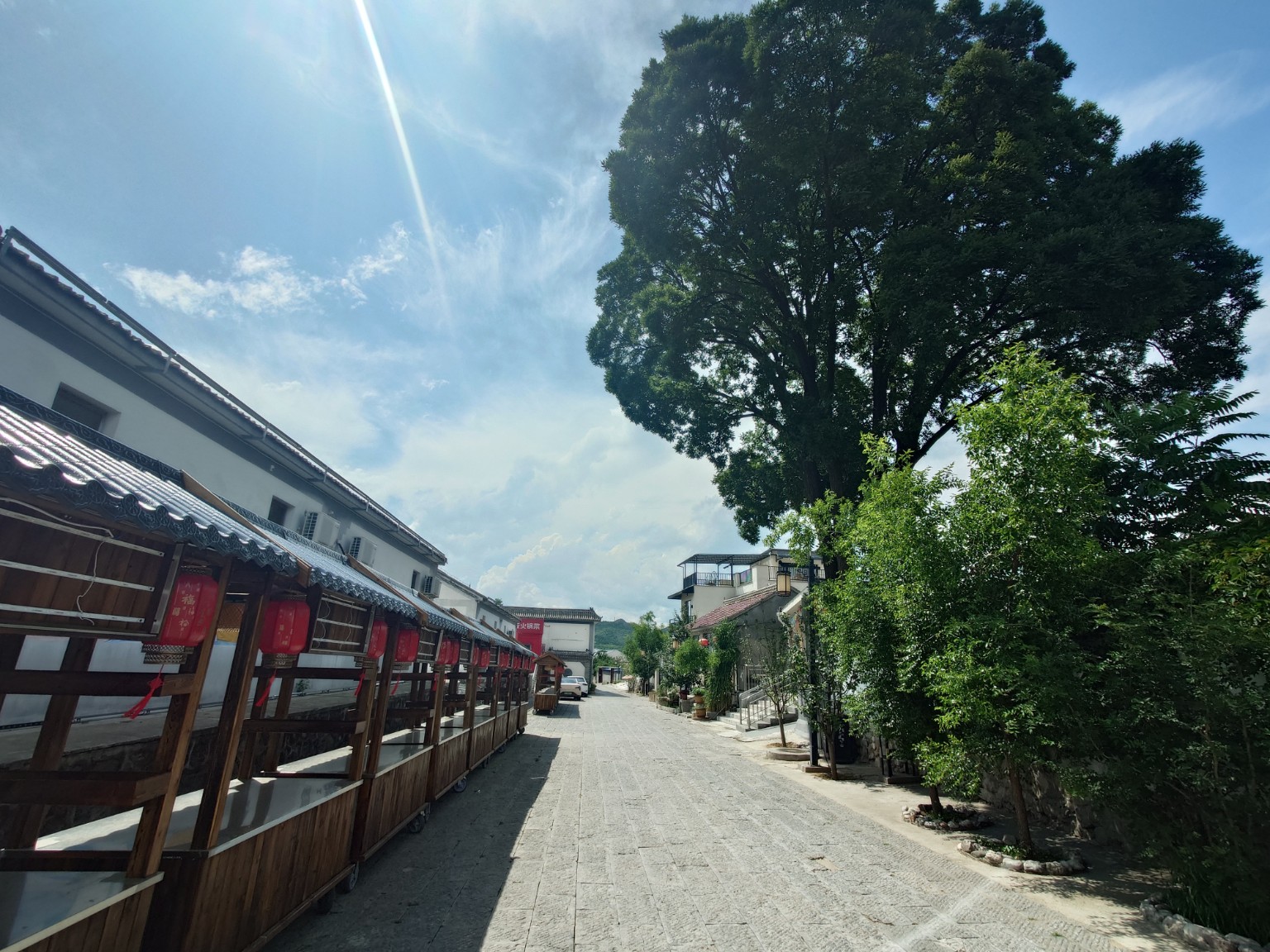
Use the field photographs to compare the tourism street, maintained homes and buildings needing major repair. Then inspect a specific property for heating, water, internet, lease terms and renovation responsibilities. The historic setting and tofu-banquet businesses give Liugou a reason to visit; everyday activity needs to be checked on the ground.
Liugou may suit a quiet rural base if the property works for your daily needs. A visible international remote-worker community was not established by our visit. Treat the quoted rents as dated local indications and obtain current terms for the actual house.
Field reading
Liugou already has a destination economy built around its historic walls, tofu banquet and rural tourism. A 2025 report described a one-kilometre rural outlet street of roughly 3,000 square metres and more than 30 shops.
On the site owner’s visit, however, the outlet street was not operating. That contrast matters: announced tourism infrastructure and ordinary-day activity are not the same thing.
What Liugou does not yet clearly have is a durable, visible network of remote workers and international residents. It is better understood as a quiet historic village with community-building potential than as a ready-made digital-nomad destination.
History and atmosphere
Compared with more developed villages nearer central Beijing, Liugou felt more original and less polished. Remnants of older architecture remain alongside newer houses and tourism businesses.
The village includes a public park, remains associated with its old defensive tower and several mature trees described locally as roughly 400 years old. Together with the old streets and surviving structures, they make the settlement’s history tangible rather than decorative.
The prevailing businesses are guesthouses, restaurants and rural family-run dining courtyards. The overall impression was of a place where a newcomer could work quietly, provided they do not expect an established international social scene.
One village, radically different buildings
Our field photographs show a maintained tourism street, contemporary new houses, traditional structures and near-ruins within a short walk. This is not a before-and-after sequence. It is evidence that a village name tells you almost nothing about a particular building’s condition.
Seasonality and access
Liugou is farther from central Beijing and sits in the mountainous outer suburbs. Heavy summer rain can disrupt mountain-area travel and outdoor tourism; the owner’s field impression was that rainy-season visitor numbers may fall substantially.
Anyone considering a long stay or visitor-facing business should check road access, drainage, local flood and geological-hazard information, and actual weekday footfall across seasons rather than relying on holiday traffic.
Anecdotal courtyard rent signals
In conversations during the field visit, local merchants described lower-priced courtyards at roughly RMB 10,000–20,000 per year. These generally required substantial renovation or rebuilding work. Any such work must be checked and reported or approved through the relevant village and local-government procedures before construction.
Courtyards described at roughly RMB 60,000–70,000 per year were generally closer to move-in condition. These numbers are informal local quotations, not verified listings, concluded transactions or a village-wide market average.
- Ask what structures, land area and utilities are included.
- Confirm the owner and every person whose consent is required.
- Price structural work, insulation, heating, drainage and wastewater before comparing rent.
- Do not assume that a cheap lease creates permission to demolish, rebuild, expand or operate a business.
Fit, advantages and limits
Liugou suits someone seeking inexpensive space, quiet, historic texture and a relatively original village environment. It may support focused solo work, a retreat, hospitality, food, cultural programming or a small new-resident network.
- Advantages: comparatively low entry cost, quiet, original village character and visible history.
- Limits: long journey from central Beijing and no established international community.
- Ask about year-round footfall, not festival peaks.
- Check heating, water, drainage and structural condition before discussing aesthetics.
Operating card
Liugou has a real visitor-food economy and an unusually legible contrast between ready tourism stock, ordinary homes and hard renovation cases. That makes it useful for comparison, but a restaurant destination is not automatically a frictionless daily base.
- Rent signal — local field conversations placed substantial-renovation courtyards around RMB 10,000–20,000 per year and more move-in-ready examples around RMB 60,000–70,000. These are dated field quotations, not verified listings or a market-wide average.
- Control and ready-state signal — building condition is radically mixed. Check whether the particular courtyard is genuinely move-in ready, a contained light-upgrade job or a restoration project before treating low rent as low cost.
- Food, supply and mobility — tofu-banquet and rural tourism dining are established. Ordinary-day shop activity, modern coffee, grocery routine, delivery and winter or rain access still need testing.
- Evidence status — public reporting plus field observation and local quotations; supply, price, use and service reliability require address-level verification.
- Local route — for a proposed commercial, hospitality or conversion use, prefer a village-coordinated discussion where available. If the offer begins with a private owner, bring a relevant village-committee or operator contact into the substantive conversation before spending. That route can clarify local facts and point the proposal onward; it does not decide every approval.