Read Lingshui as both a village and a destination
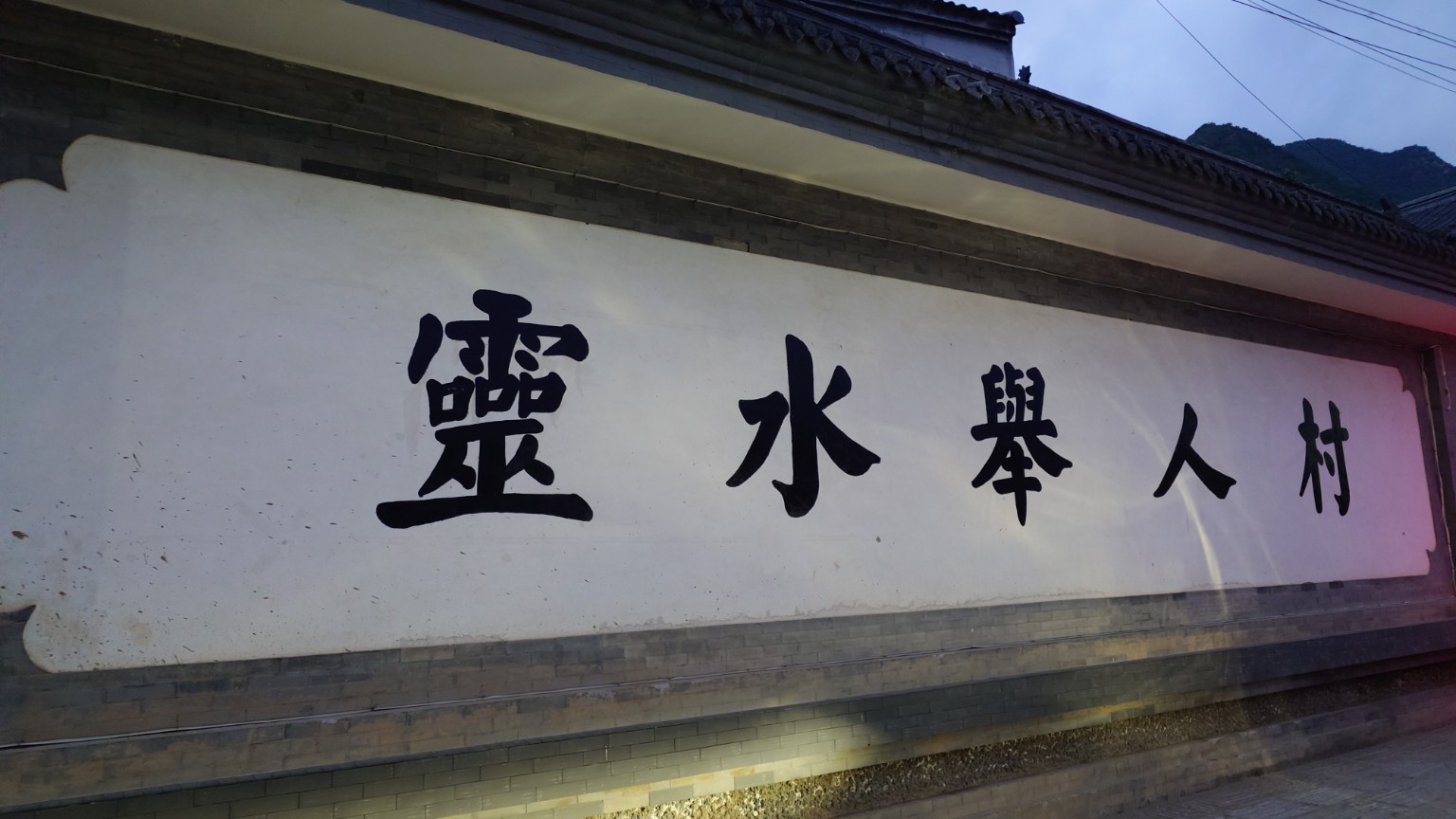
Lingshui is a protected historic village, a ticketed rural attraction and a recurring festival venue. Its practical interest lies in the overlap: traditional courtyard housing remains part of village life, while tourism creates a possible customer base for crafts, art, food and small cultural spaces.
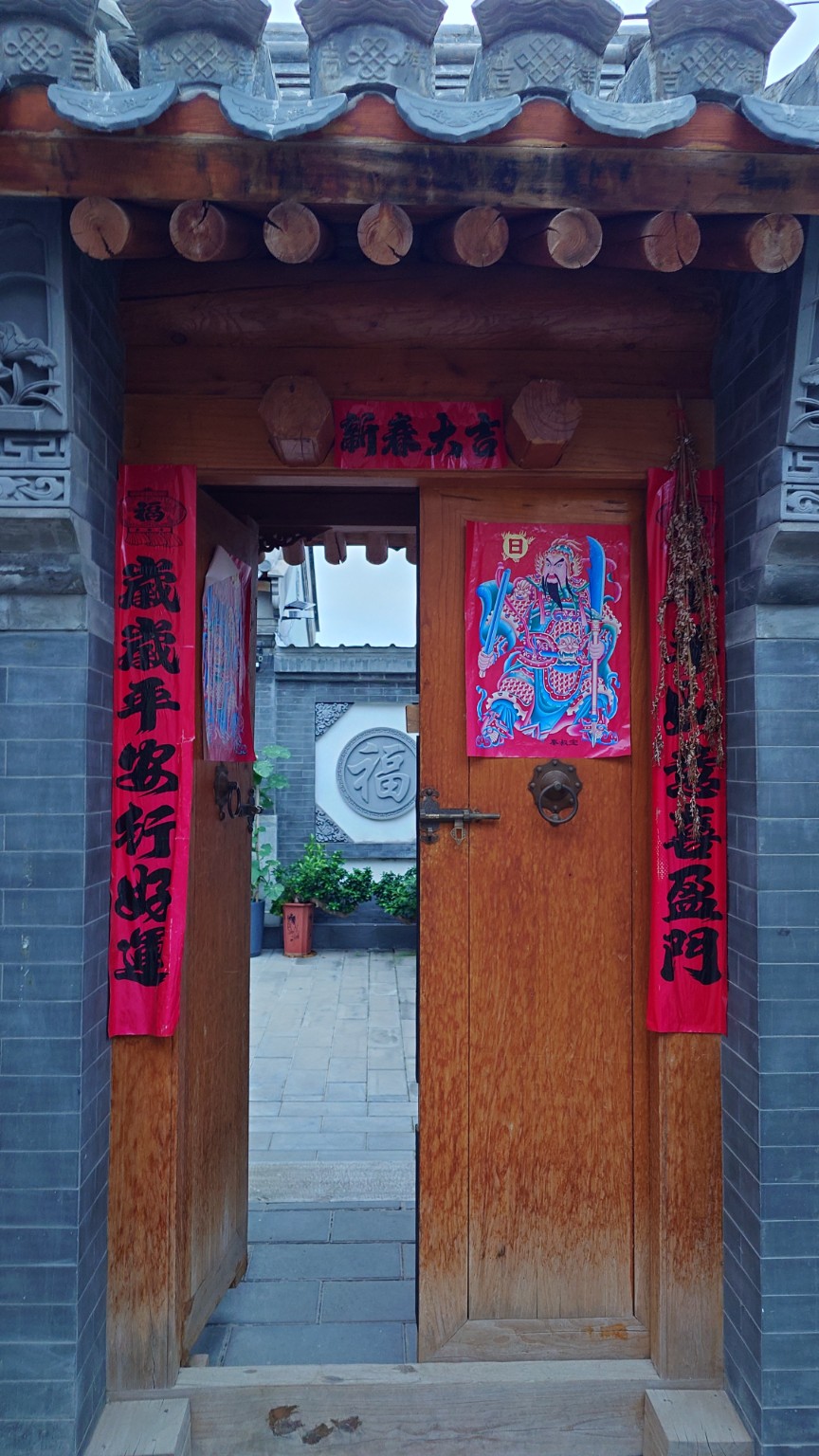
The village should not be framed only as a difficult restoration project. Local information and the field interview indicate that completed, usable courtyards can also enter the rental market, alongside older houses requiring anything from light improvement to major reconstruction.
Why the history matters to an operating decision
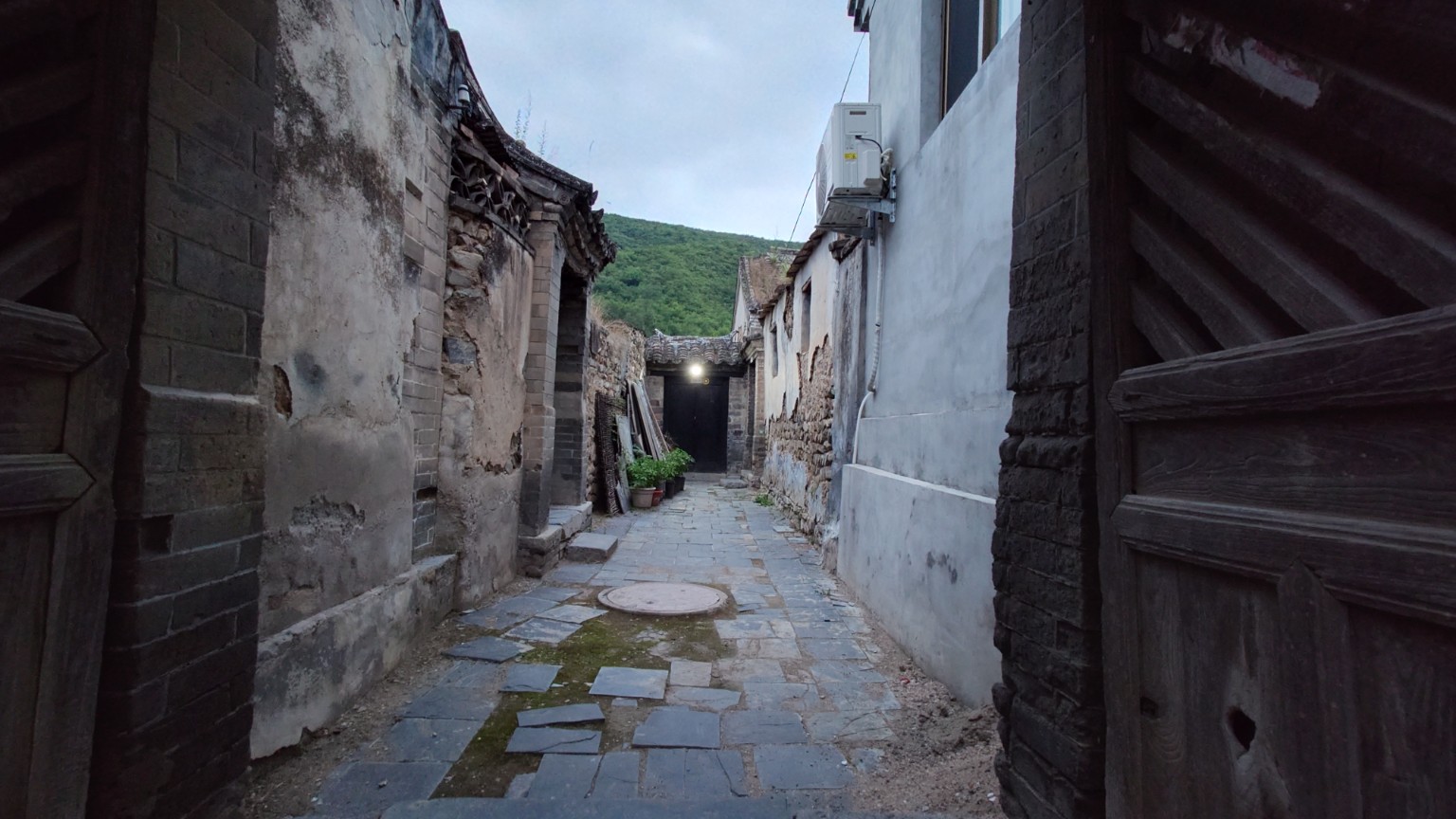
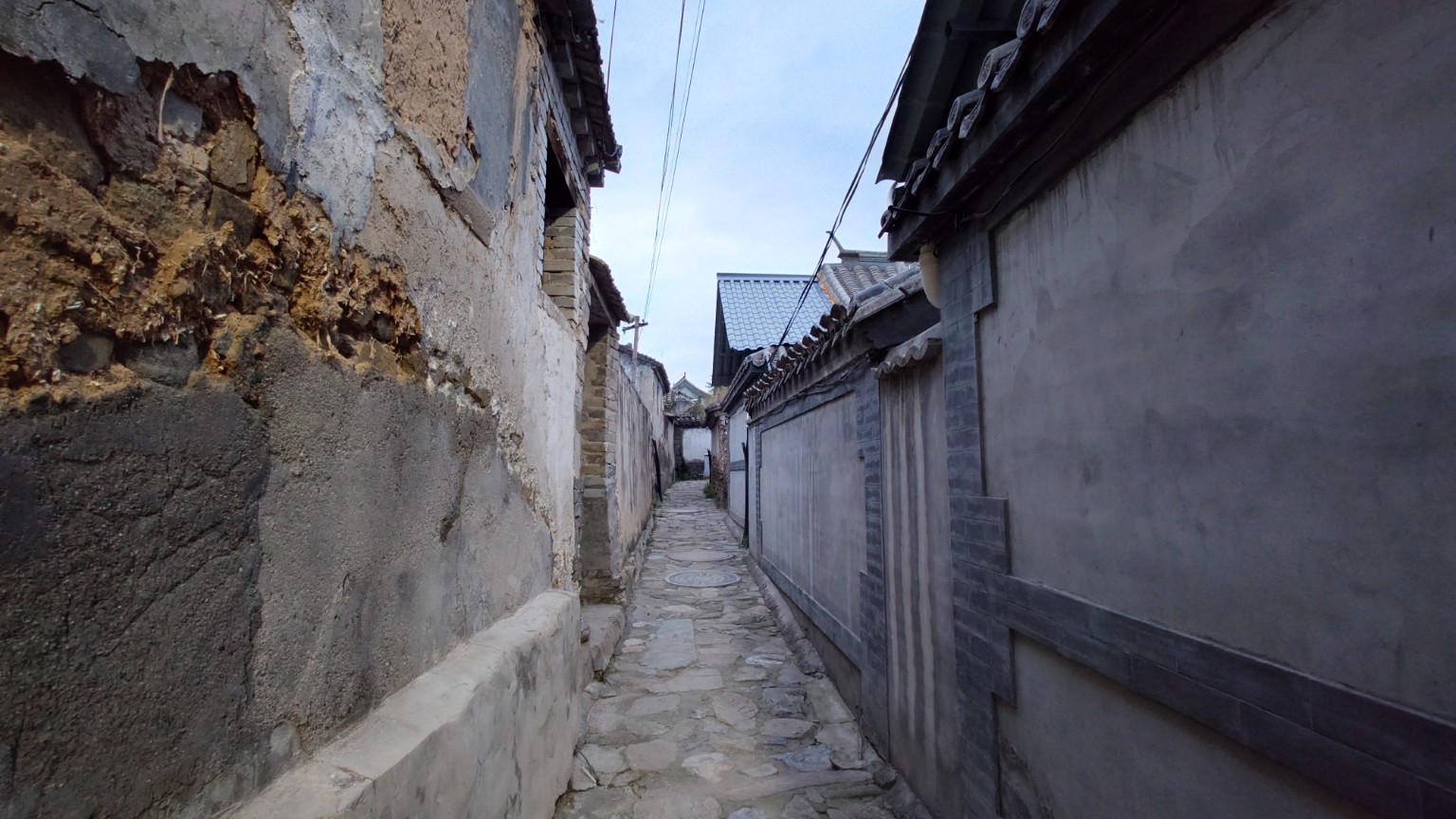
Lingshui's history is part of the reason visitors travel into western Beijing, pay to enter and spend time walking its lanes. Government and local records trace the settlement to at least the Liao–Jin period. Surviving fabric includes the five-courtyard Juren Residence, Qing-period courtyards and a turtle-shaped village plan associated with traditional geomantic ideas.
The village is widely known for producing 22 juren and two jinshi during the Ming and Qing periods, including Liu Maoheng and Liu Zengguang. Its layered civic and religious landscape includes Lingquan Chan Temple, the South Sea Fire Dragon King Temple, ancient cypresses known as ‘cypress embracing mulberry’ and ‘cypress embracing elm’, and a Qing-period stone inscription protecting the village water source.
For a studio or small cultural business, this is an inherited setting that would be expensive to manufacture elsewhere. It also creates obligations: protected buildings and the historic streetscape may limit what an owner or tenant can alter.
Two plausible paths: live and build
For a remote professional or independent creator, Lingshui may simply offer a quiet long-term courtyard in a historically distinctive place. That path does not require turning the home into a visitor business or assuming that every tenant wants a major renovation project.
The second path is visitor-facing. During the field visit, most visible dining was connected to guesthouses, while few standalone cafés, bars or evening venues were observed. Craft retail, an open studio, workshops, a small exhibition room, light food, coffee or a modest evening venue may fit the gap between established heritage tourism and a still-limited contemporary leisure layer.
These are opportunity hypotheses, not demand guarantees. Property condition, permitted use, licensing, foreigner accommodation registration and a foreign operator's company and work status remain separate questions.
Field note: one creative-business path already exists
During the visit, the editor spoke with a woman running an independent craft studio in the village. She came from Beijing's Chaoyang District and rented a courtyard belonging to a friend.
She described the annual rent as ‘far below RMB 100,000’. This is one first-hand account, not a village-wide rental benchmark. The friendship between owner and tenant may also have affected the terms.
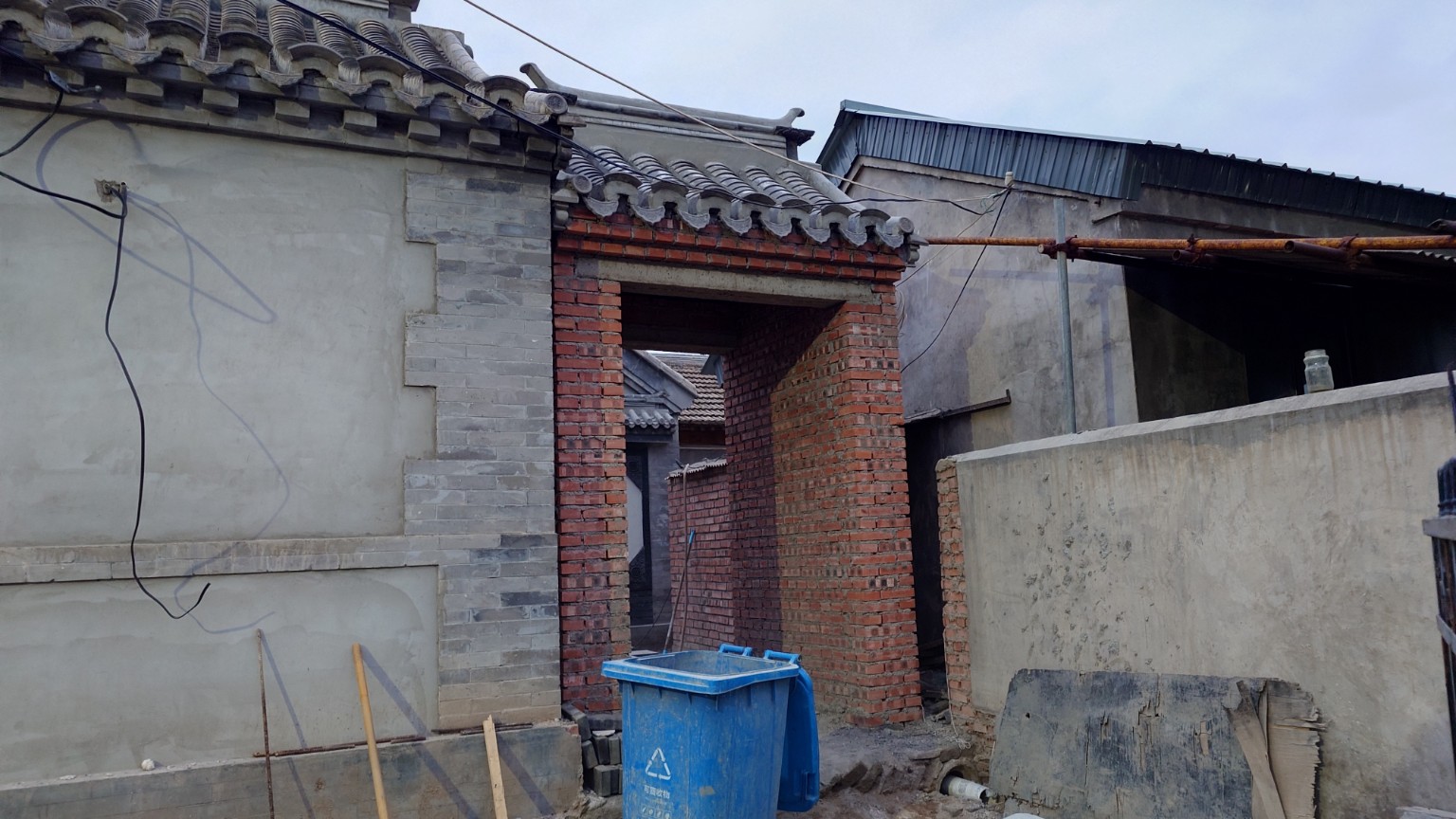
She had invested in rebuilding the property. The work appeared closer to full reconstruction than routine renovation, so its cost would not provide a useful estimate for an ordinary renter. The evidence is narrower but meaningful: a Beijing-based creator has already used a long-term village courtyard as the base for an independent craft business.
Recurring event traffic is proven; everyday commercial demand is not yet measured
The annual Autumn Porridge Festival shows that Lingshui can do more than display static heritage. In 2026 the village held its twenty-third festival over three days. Visitors contributed grain, received a document with a stamp card, followed eight themed stops and exchanged completed cards for a commemorative juren bun. A temporary market included food, local products, traditional crafts and games.
This demonstrates recurring event traffic and the ability of village and town organisers to turn local history into participatory programming. It does not establish normal weekday footfall, annual guesthouse occupancy, average visitor spending or ordinary evening demand.
The field visit itself cannot be used as a traffic sample. The editor arrived late after ticket staff had left, while the festival and village-wide stamp activity likely increased both visitors and overnight stays.
Heating and winter reality
Lingshui does not operate a village-wide central-heating system. Individual properties commonly rely on electric heating, including air-source heat pumps. Equipment alone does not determine winter comfort: roof, wall, floor and window insulation, heated area, plumbing freeze protection and the condition of the particular system all matter.
Under the cited coal-to-electricity policy terms, qualifying registered rural households receive a combined municipal and district subsidy of RMB 0.20 per kWh from 20:00 to 08:00 during the heating season, leaving a user price of RMB 0.10 per kWh for up to 10,000 kWh per household. Mentougou also operates a clean-heating equipment replacement programme with support capped at RMB 6,000 per eligible household for qualifying air-source heat-pump products and RMB 3,600 for other products.
Neither figure should be treated as a tenant entitlement. Eligibility is normally tied to the registered household, electricity account, programme history and qualifying equipment. Do not include a subsidy in a rental budget until the owner and responsible local authority confirm who is eligible and who receives it.
- Ask for the previous full winter's electricity use and bills.
- Confirm meter type, tariff and any subsidy in writing.
- Inspect insulation and plumbing rather than judging only the heat-pump brand.
- Agree who owns replacement equipment and improvements when the lease ends.
International intent is visible; the service layer is incomplete
Chinese–English visitor signs show that Lingshui is trying to receive international tourists. The English observed on some signs was difficult to use in practice. The fair conclusion is not that the village is already internationally accessible, but that it has expressed the intention without yet completing the service layer.
Bilingual residents or operators could improve interpretation, workshops, menus, booking communication and visitor experience. That opportunity should not be confused with creating an isolated foreign enclave or turning the village into a performance of internationalisation.
What is established—and what remains open
The visit and reviewed sources establish a protected historic village, traditional courtyard fabric, both repaired and unrepaired properties, one external Beijing creator operating a craft studio, individual electric heating, recurring festival programming and visible intent to welcome international visitors.
They do not establish the number and price range of currently available courtyards, how many are ready to occupy, standard lease terms, normal off-season traffic, fixed-broadband quality inside every house, foreigner accommodation registration for a particular address, or which commercial uses and renovations a specific property can lawfully support.
Test the particular courtyard, not the village story
Before committing money, obtain property-specific answers from the owner and the relevant village or town authorities.
- Confirm the written lease term, included buildings and landlord authority.
- Ask whether the house is protected or inside a controlled historic zone, and which works require approval.
- Agree ownership and compensation for tenant-funded improvements.
- Confirm cooperation with foreigner accommodation registration.
- Check electricity, water, drainage, heating, internet and winter access at the address.
- Verify that the premises can lawfully support the proposed business and required licences.
- Test an ordinary weekday and an off-season period, not only a festival or holiday.
Operating card
Lingshui is the clear heritage-and-restoration case: real courtyard texture, visitor history and some operating potential coexist with a thin contemporary service layer. It should be read as a place to inspect carefully, not as a finished lifestyle product.
- Rent signal — one editor conversation described a rented courtyard as far below RMB 100,000 per year. It is a non-representative field account, not a village rate or current listing.
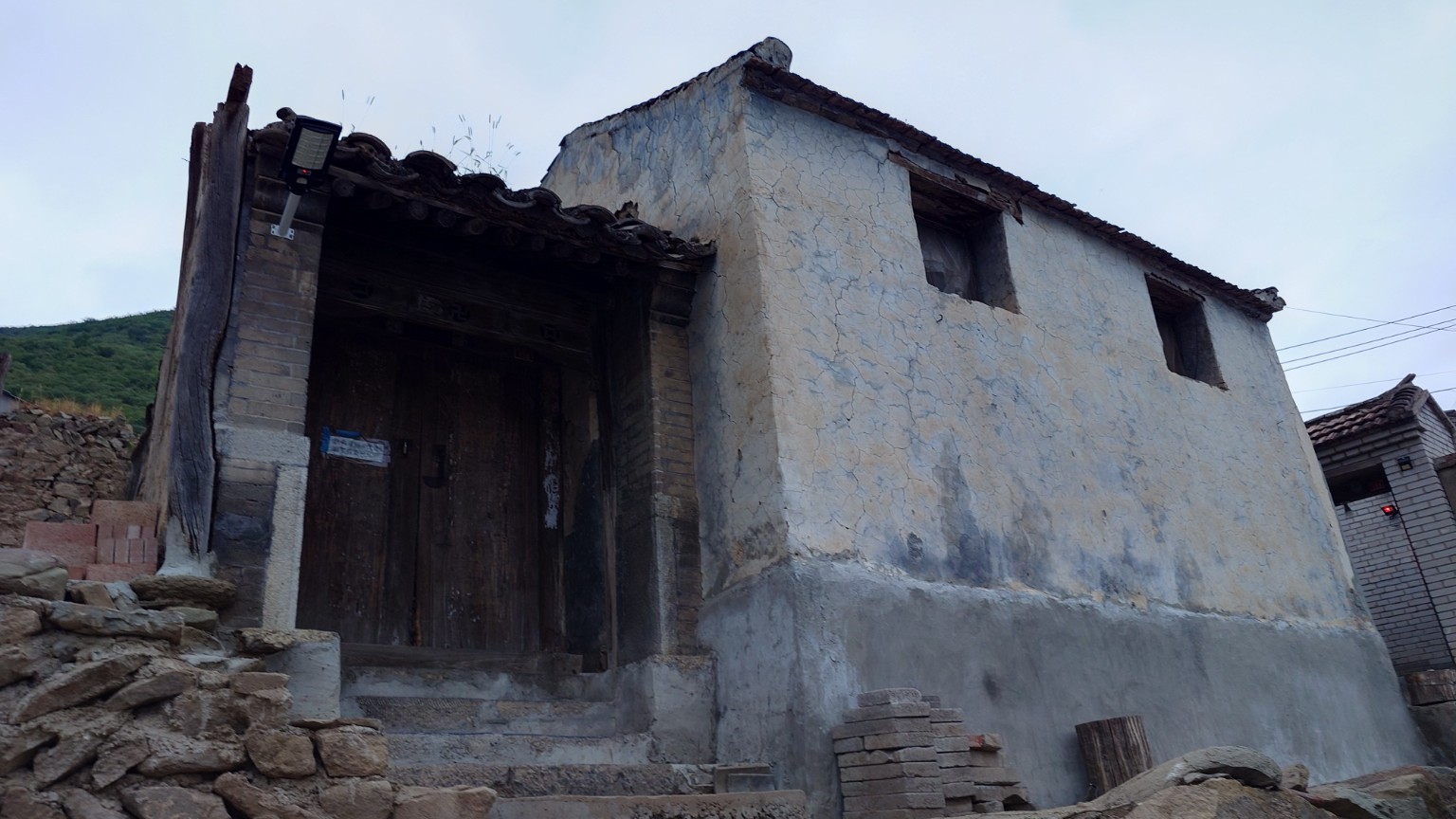
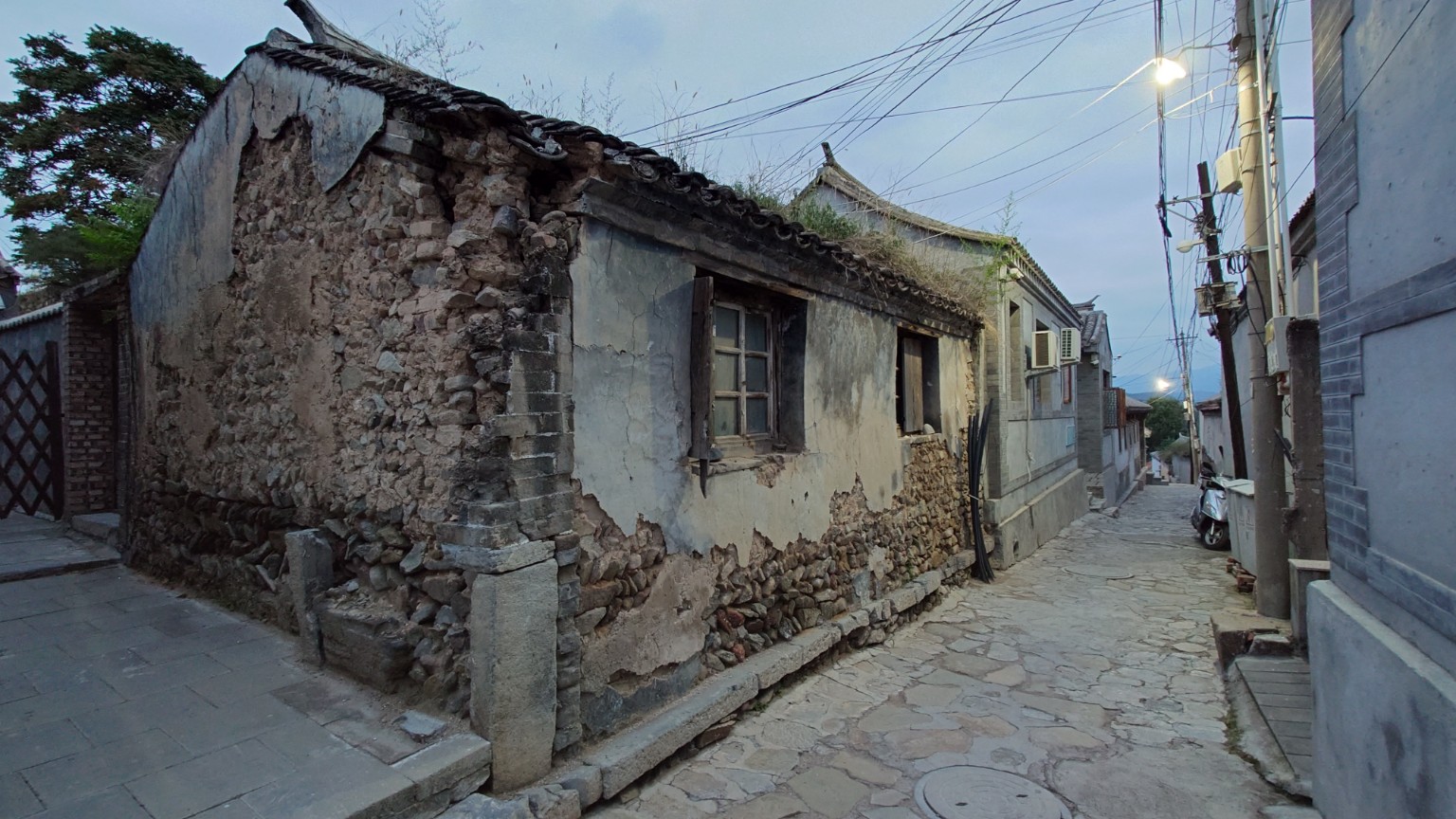
- Control and ready-state signal — building condition varies sharply. Some stock may support a light upgrade; other houses are a Restoration project: material time, heating, drainage and structural uncertainty must be treated as part of the decision.
- Food, supply and mobility — guesthouse-linked dining and heritage tourism are visible, while independent cafés, bars and ordinary evening options are thinner. Test weekday opening, groceries, delivery and Zhaitang access at the exact address.
- Evidence status — official heritage and policy review plus field observation and one local interview; availability, price and possible use require address-level verification.
- Local route — for a proposed commercial, hospitality or conversion use, prefer a village-coordinated discussion where available. If the offer begins with a private owner, bring a relevant village-committee or operator contact into the substantive conversation before spending. That route can clarify local facts and point the proposal onward; it does not decide every approval.