Come here and disappear for five days
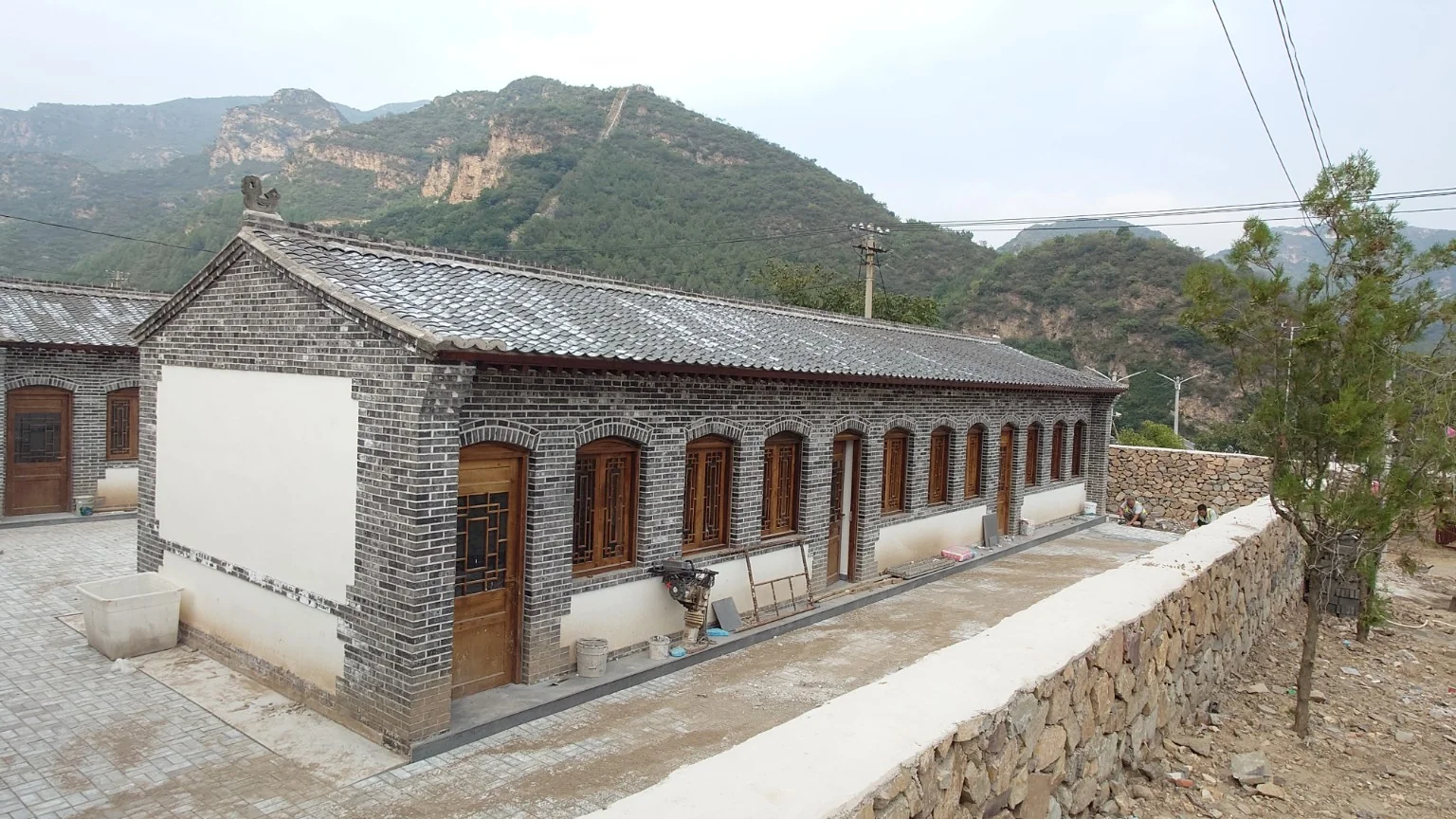
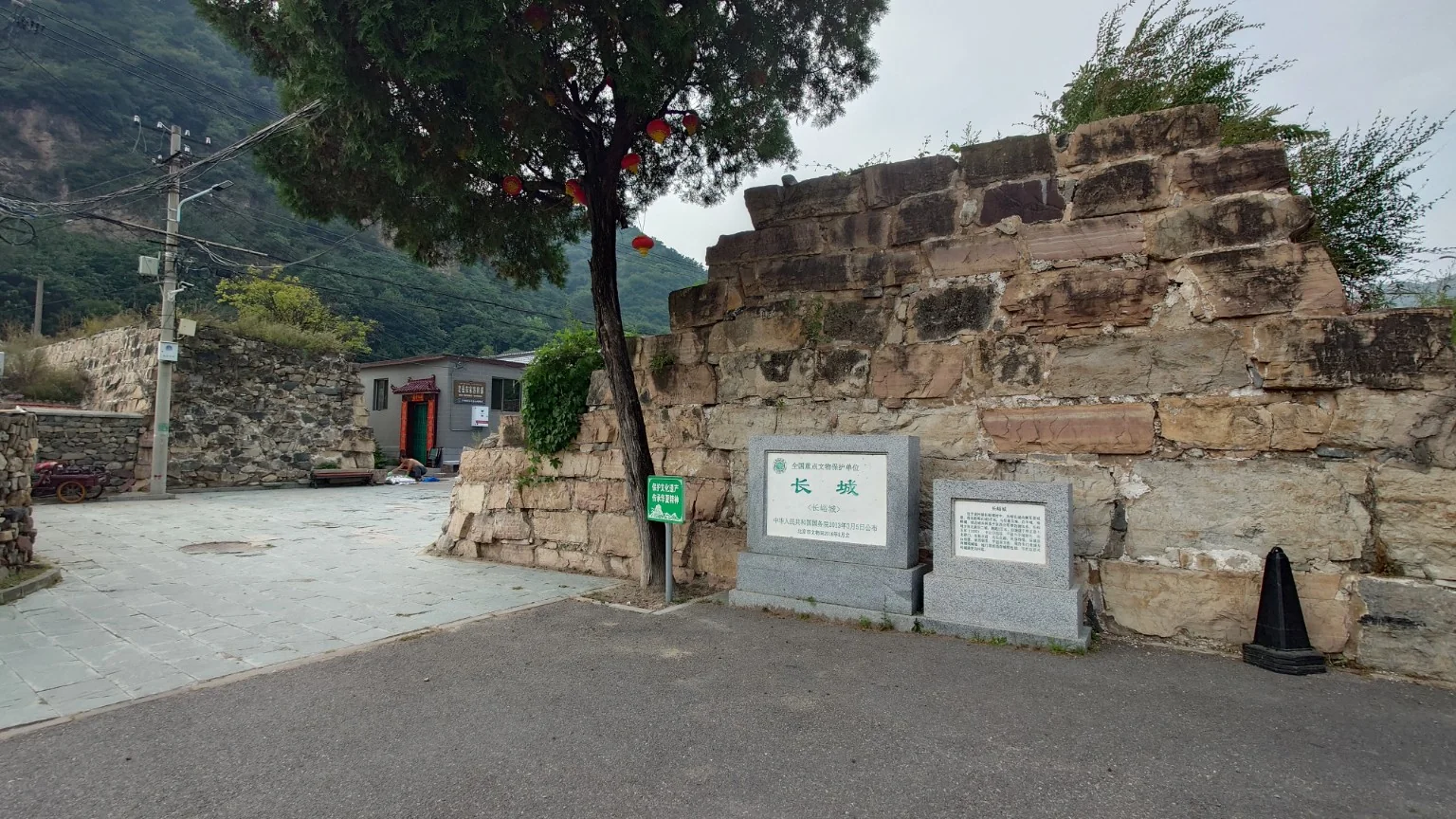
Changyucheng Village (长峪城村), in Liucun Town, Changping District, is a real historic mountain settlement with the Great Wall running directly through and immediately above its living landscape. Old courtyard houses, heritage buildings and ordinary village life coexist beneath steep green ridges.
Its operating proposition is a Seasonal Heritage Work-Retreat Node: a quiet place for a short, deliberate period of concentrated work, especially for researchers, founders, developers and small teams already working in Beijing, Changping or the broader Beijing research ecosystem.
Come here and disappear for five days. Arrive, settle in, eat, sleep, work—and stop commuting around unnecessarily. The village offers mountain atmosphere and a sense of historical depth, rather than proximity to a laboratory or a startup campus.
Tourism-ready, work-infrastructure incomplete
Accommodation exists. Tourism exists. Heritage exists. The missing layer is work infrastructure.
Homestays and farmhouse dining already provide the basic hosting infrastructure. Tourism is the dominant visible commercial model, and the village is quiet, with a strong mountain and heritage atmosphere. No mature café, coworking or work-oriented third-place ecosystem was visible during the visit.
That is a work-infrastructure gap, rather than an accommodation gap. A guesthouse room with a good desk can support individual work; a team needing a shared workspace would have to arrange one. Changyucheng is not presented here as a ready-made digital nomad village.
Old houses, renovated courtyards, modern homes
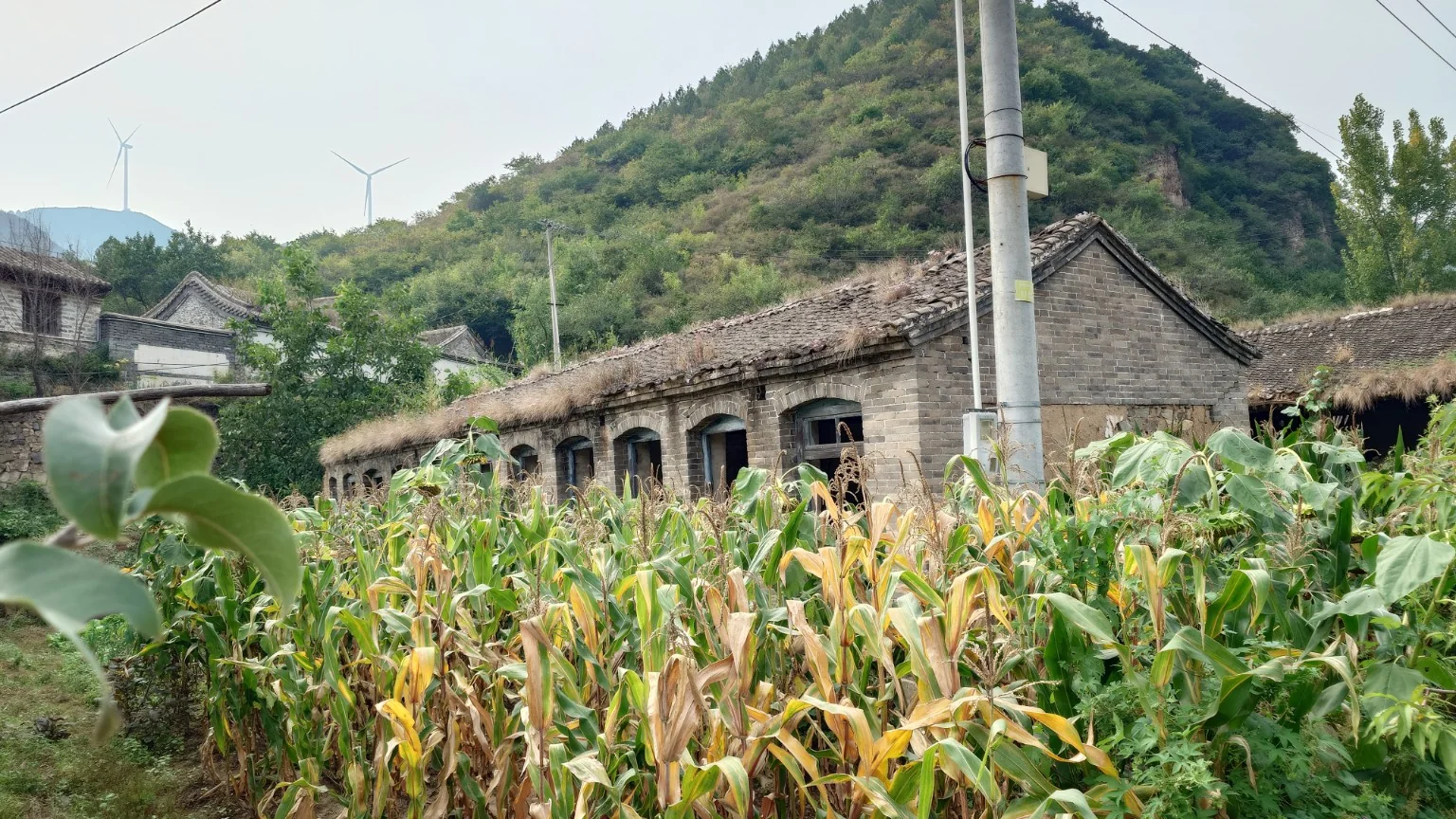
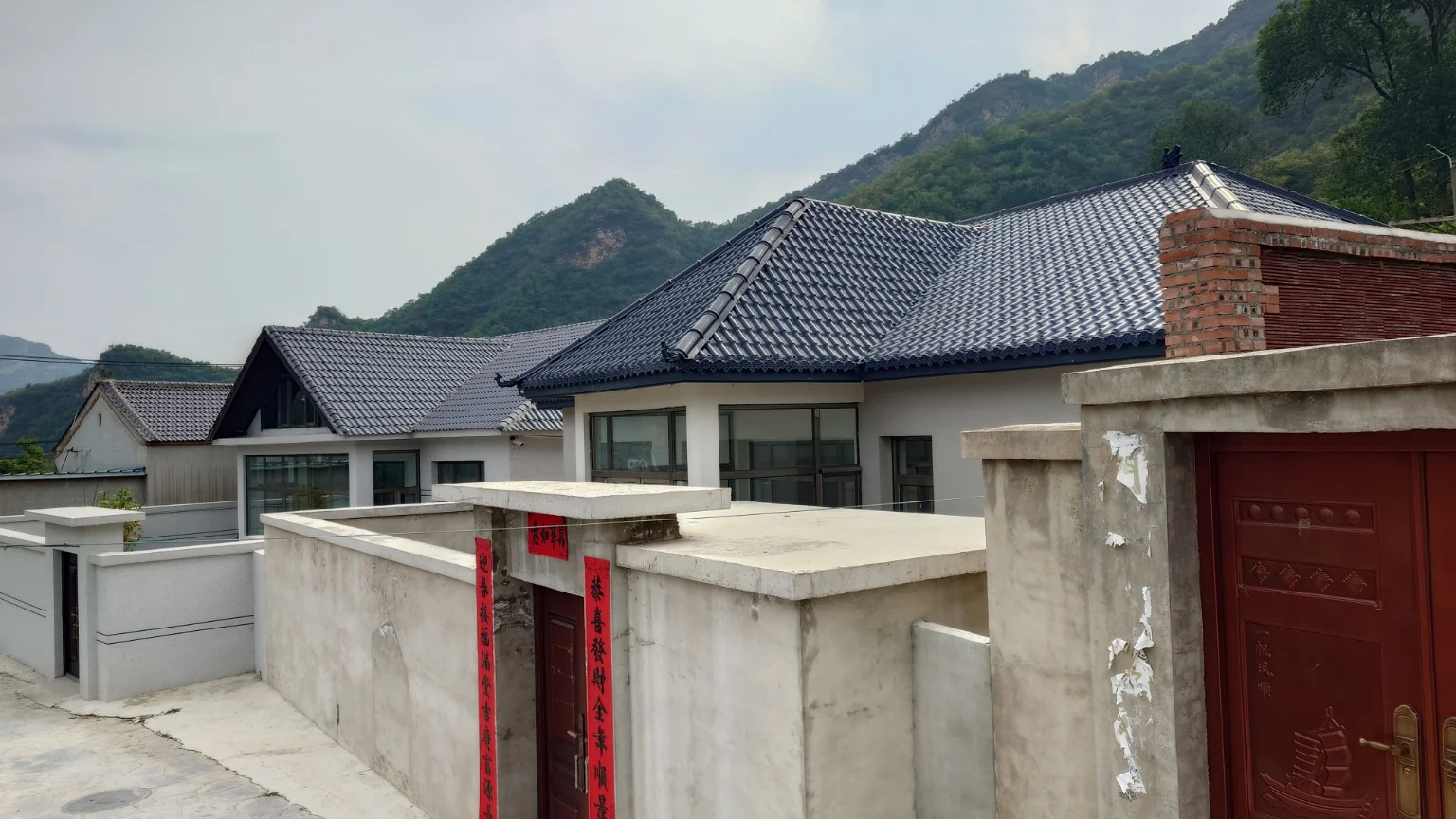
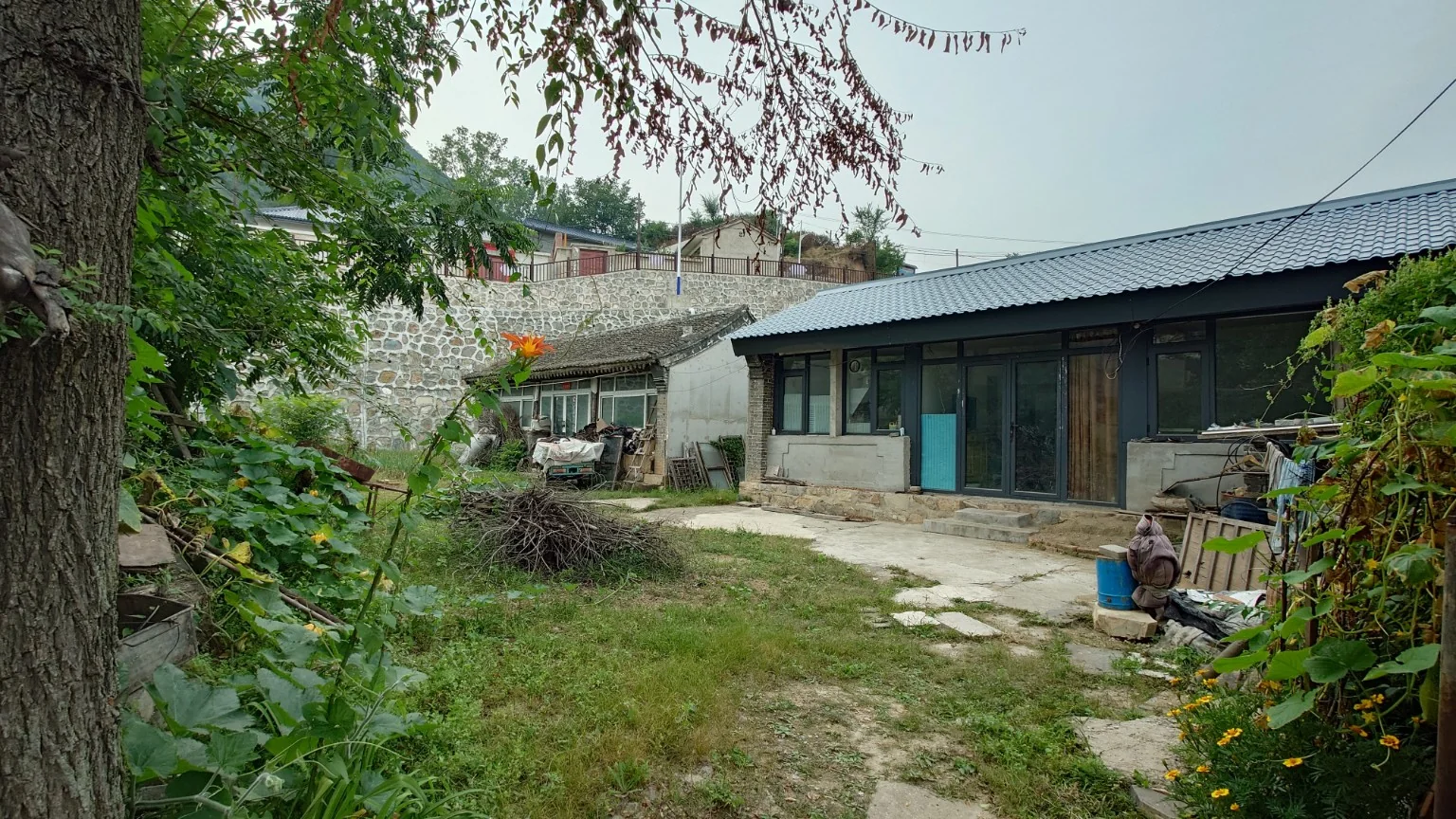
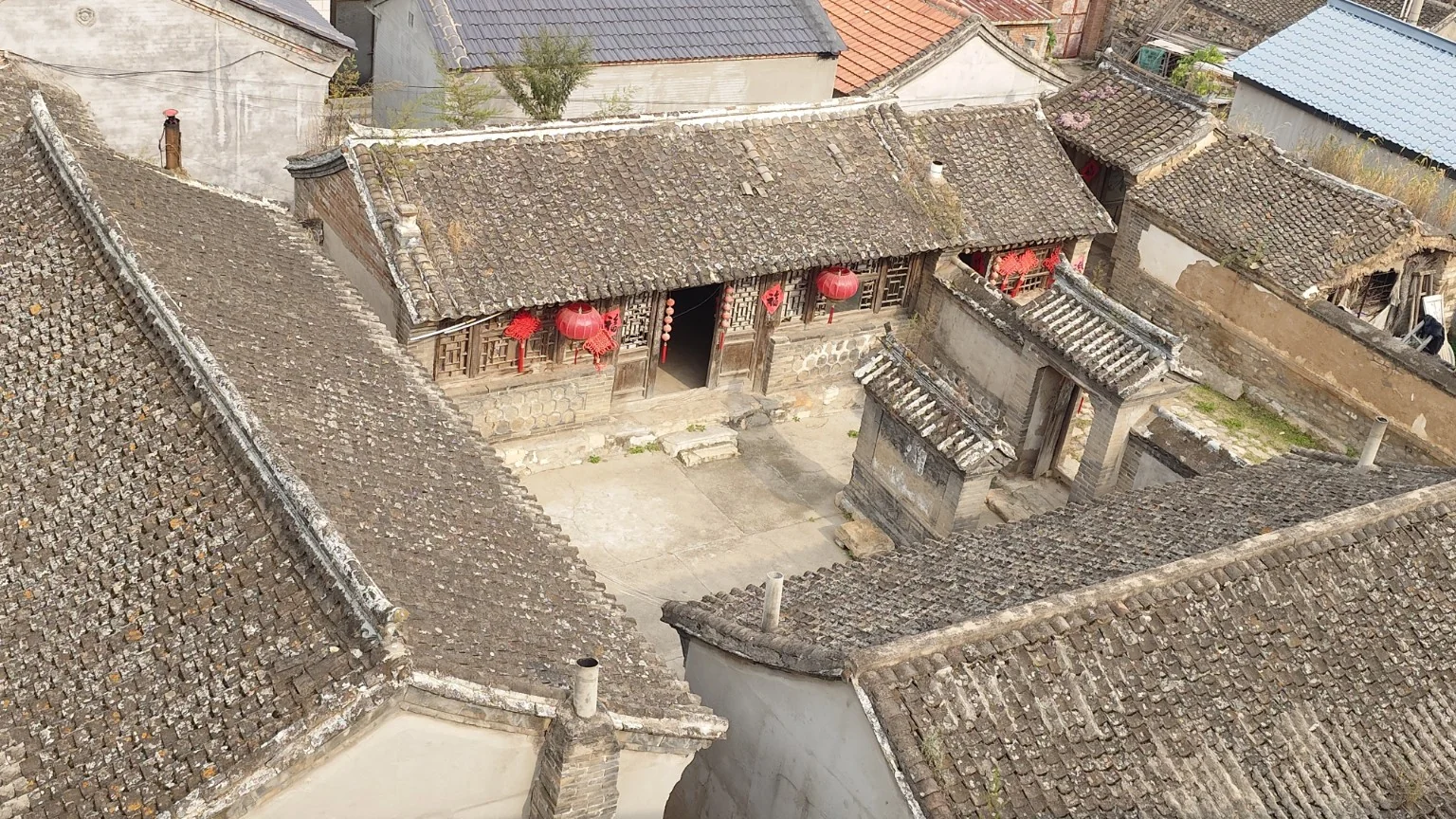
The housing stock is more varied than the phrase ‘old mountain village’ suggests. Traditional houses sit alongside renovated tourism accommodation and visibly modern rural homes. Some older buildings are being repaired, while practical upgrades include better windows, insulation and contemporary residential interiors.
A village name does not tell you which of those homes you will occupy. For a short retreat, choose the actual room: somewhere comfortable to sleep, a usable work surface, good light and the heating or cooling appropriate to the season.
There is visible interest in long-term courtyard use and renovation. Rural property arrangements differ from an ordinary urban home purchase: informal ‘for sale’ language does not mean an outsider can simply acquire transferable urban-style title to the homestead land. For this retreat model, the practical starting point is a stay, not an acquisition.
A mountain temple as a future work-space idea
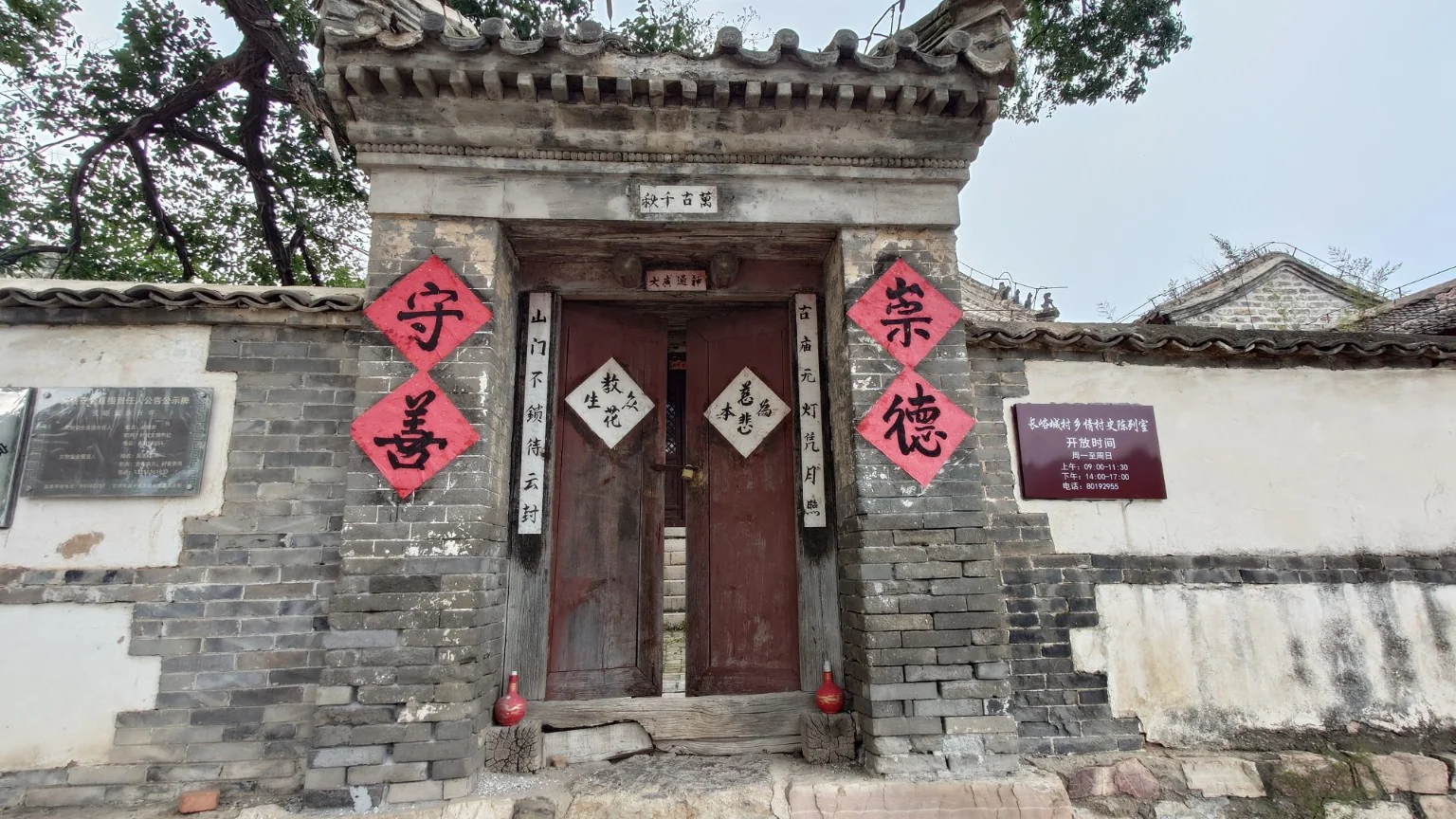
Yongxing Temple (永兴寺) is a particularly interesting possibility. The centuries-old site retains heritage and temple functions, while part of it serves community cultural uses, including a village-history and memory display and a comprehensive cultural room. The public wording includes 共建共享: shared community use.
The appeal is easy to understand: spend several quiet hours working inside a centuries-old mountain temple or cultural space. That would be a valuable operating experience if the village and the relevant management body agreed to it.
This is a future concept, not an existing coworking service or an offer of automatic access. Any arrangement would need quiet-use rules suitable for a historic cultural space: no smoking, no loud behavior and no destructive alterations.
Add a light work layer to what is already here
The most useful first step would be to find a quiet, usable room within the existing village infrastructure. Possible options include:
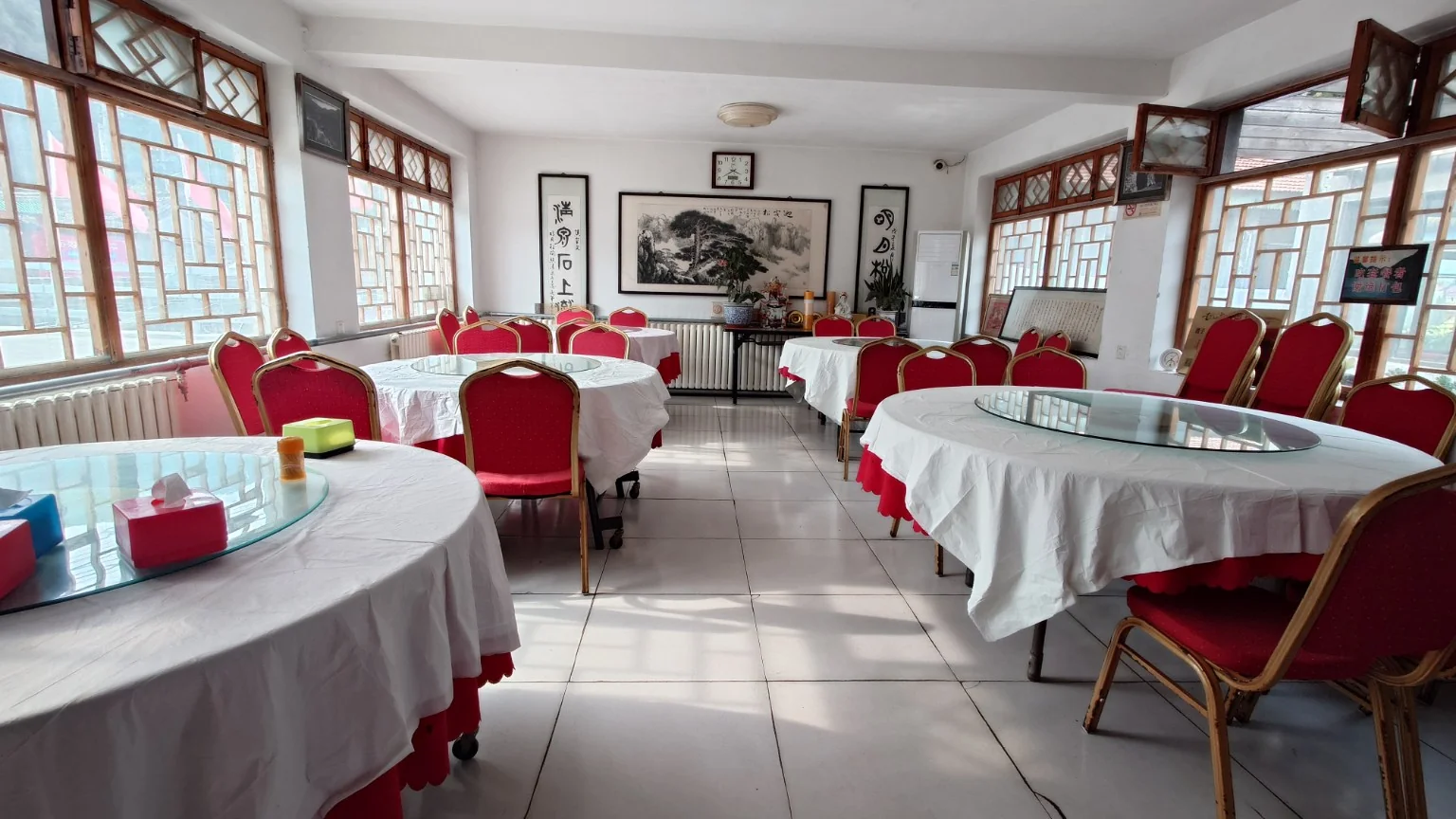
- An underused hall within the tourism or banquet infrastructure, arranged with its operator.
- Public-space access coordinated with the village committee, including a Party-mass or community service space or an existing public cultural facility, if locally agreed.
- A lightweight café and coworking module near the village entrance. A reversible, expandable modular structure is a theoretical option only where the actual site, land conditions and heritage controls permit it.
Connectivity: the property is the variable
Basic rural telecom connectivity is an infrastructure baseline in China. A Beijing mountain village having internet is not the discovery here. Mobile 5G was tested on site and worked well.
The useful question is what happens inside your accommodation: the broadband package the host pays for, router and access-point quality, Wi-Fi coverage, upload and download performance, congestion, and the signal in the room where you will actually work.
Domestic network access is the local infrastructure layer. If your work depends on overseas SaaS, corporate networks or other international services, bring your normal remote-work setup. The village is not responsible for rebuilding your entire international work stack.
- Village-level connectivity: baseline.
- Property-level bandwidth: check with the accommodation and test in the room.
- International work stack: bring your own.
Choose the season—and the property
Mountain altitude and cooler seasonal conditions make summer and the shoulder seasons the natural starting point. Weather matters more here than it does in a central-city apartment.
Winter habitability depends on the actual property’s heating, insulation and everyday comfort, rather than on whether the village is ‘connected’. A modernized house and an older, poorly insulated room are different propositions.
After Beijing’s 2023 ‘23·7’ disaster period, extreme-rainfall and flood awareness are part of the lived operating reality of western and mountain settlements. Check current weather and road conditions around the stay, and take local closure or evacuation instructions seriously. This is one operating condition, not the whole story of the place.
Arrive, eat, stay put
Vehicle access into the village is controlled. Parking has a fee structure, with the first two hours free at the time of the field visit. For a stay of several days, coordinate vehicle registration and longer-term parking with the village. Alternatively, be dropped off and collected at the end of the retreat.
Food is strongly local and farmhouse-tourism oriented, including Changyucheng’s well-known pork-trotter banquet, 猪蹄宴. This is not Huairou-style internationally polished hospitality; the local food culture is part of the point.
Hosting a foreign visitor does not require pretending the village serves international hotel food. The practical package is lodging, meals, reliable property-level internet and simple dietary coordination where needed.
CyberNomad view
Seasonal Heritage Work-Retreat Node. Tourism-ready, work-infrastructure incomplete.
Changyucheng’s strongest use is a deliberate break from an existing Beijing operating routine: several days of writing, coding, analysis or concentrated team work in a quiet historic mountain village. Its accommodation and heritage are already there. Dedicated work-oriented shared space is the missing layer.
The retreat is a complement to the Beijing research and business ecosystem, not a replacement for it. Come with a defined piece of work, arrange the few practical inputs it needs, and give yourself the time to finish it.