
The undervalued valleys west of Beijing
Zoom out to a macro perspective, and Mentougou and Fangshan emerge as perhaps the most undervalued—almost forgotten—gems in Beijing’s suburban perimeter.
The mountains here are not the gentle, rolling foothills typical of Beijing’s near suburbs. They are rugged, towering ranges: steep ridges folding into deep gorges, winding roads tracing riverbeds, and mountain streams cutting across valley floors. For anyone with an eye for dramatic landscape, the raw terrain is compelling on its own.
Yet on this visit, my focus was not on finding quiet hideouts for digital nomads or indie founders. I found myself thinking about an entirely different group: international boutique hotel groups, independent hospitality brands, architecture studios, and investors willing to spend a few patient years reviving a place from the inside out.
A village made of several eras
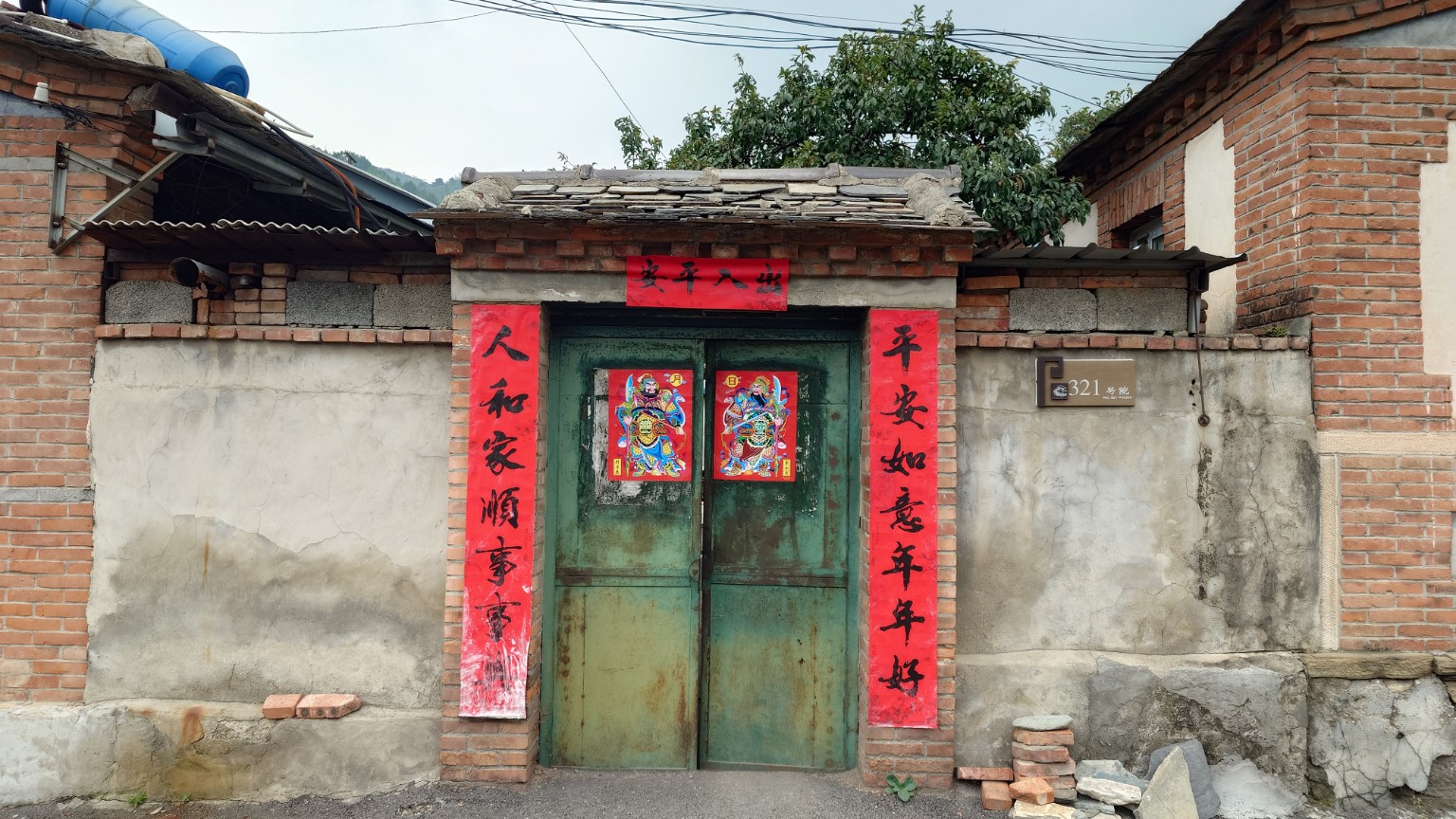
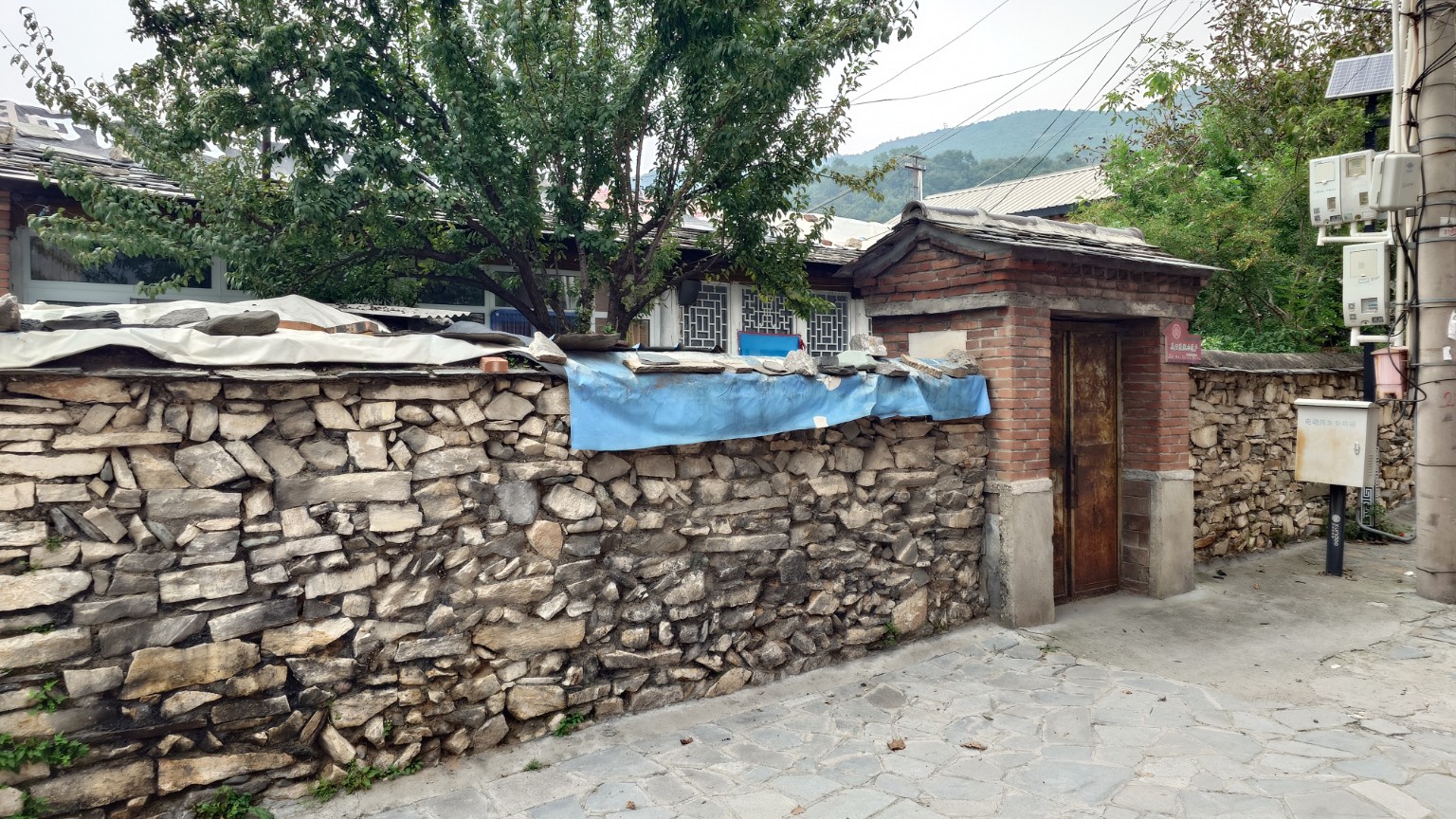
Tucked into the folds of Fangshan’s mountains are dozens of authentic, historic villages. When I say historic, I do not mean a faux-antique commercial street built five years ago. Many of these stone courtyards have stood for decades, sometimes centuries—and they look their age.
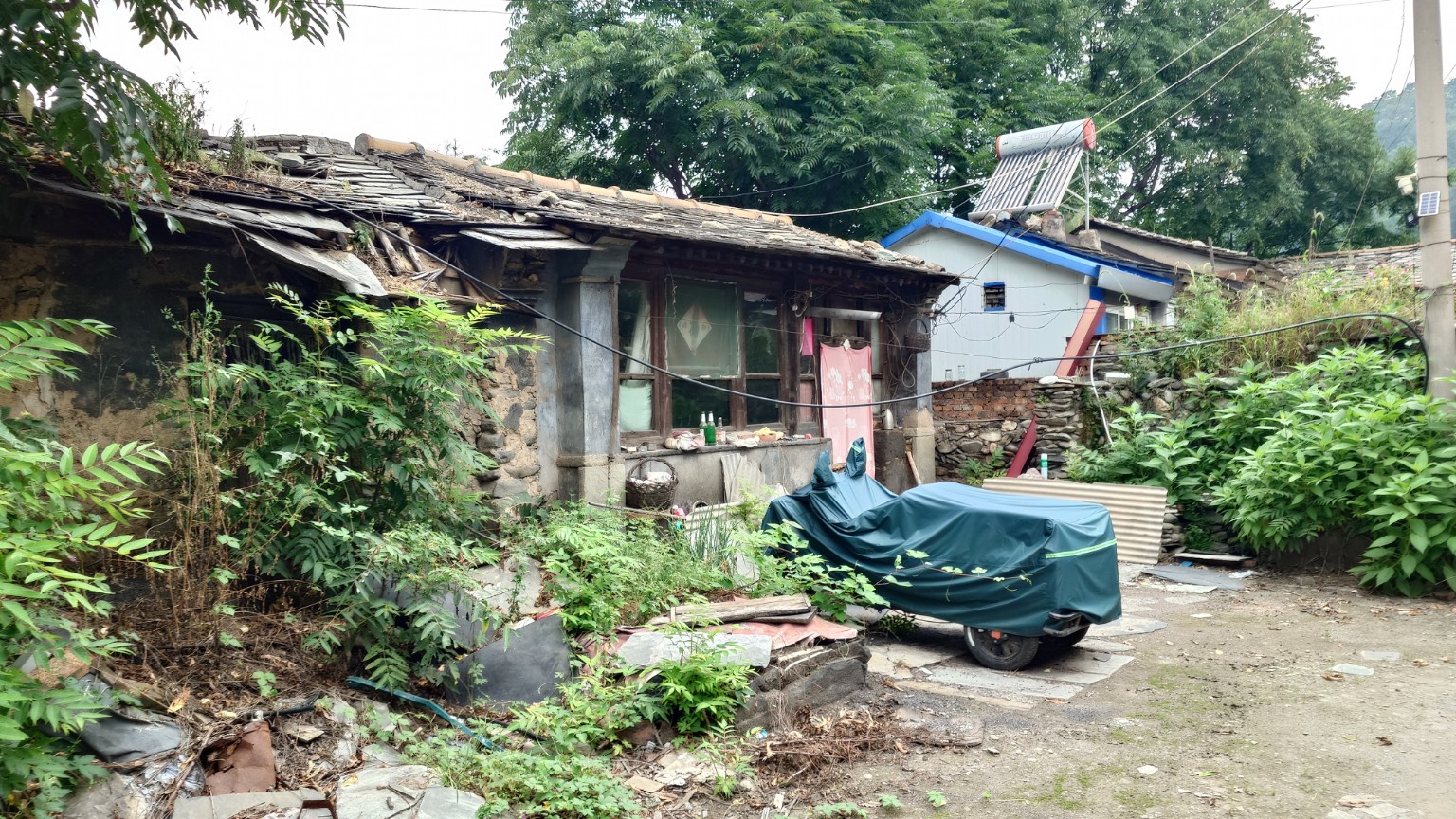
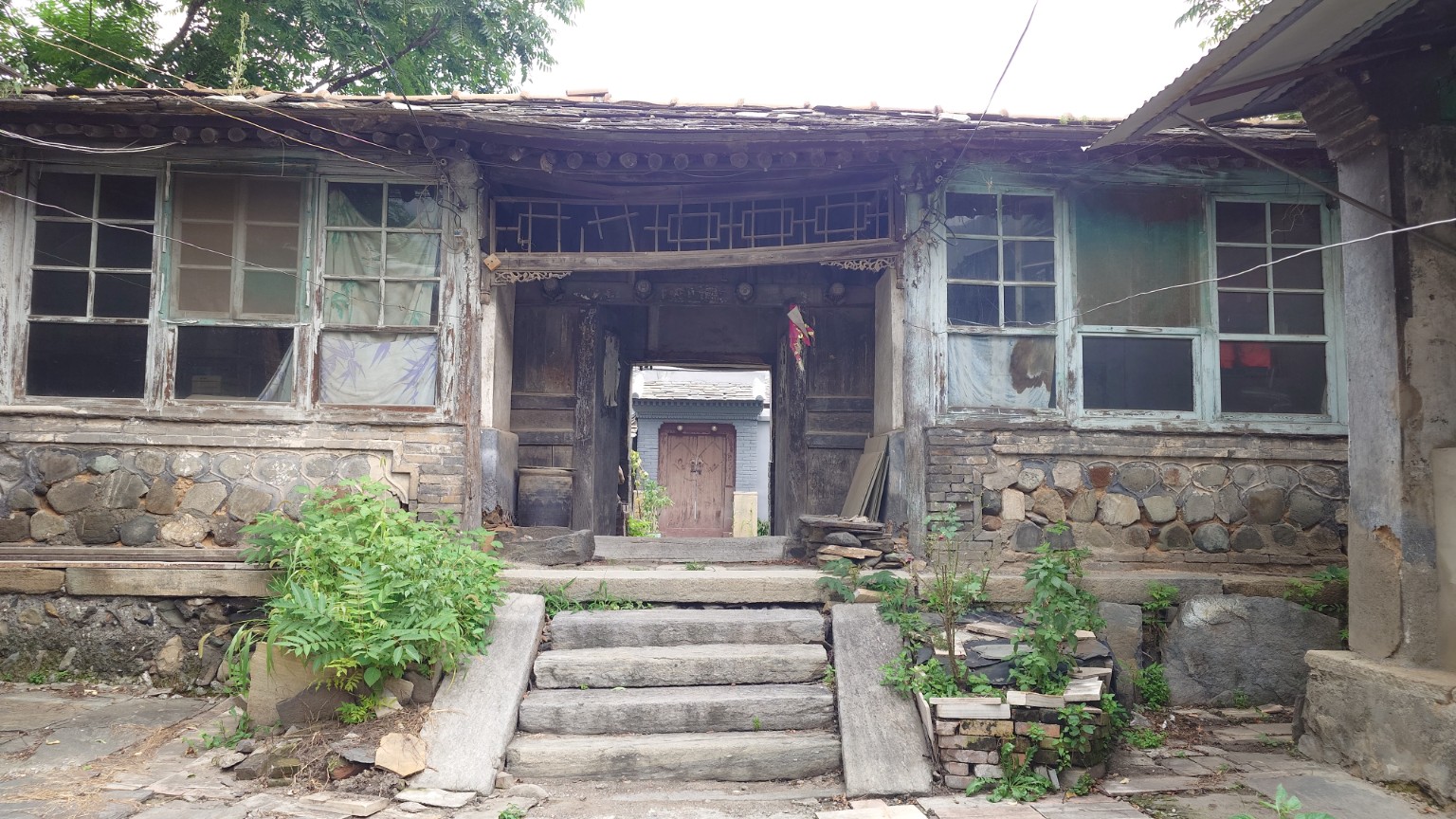
Many houses have been abandoned for years. Earthen walls are crumbling, brick façades are cracked, timber roofs have caved in, and wild vegetation is reclaiming the courtyards. The original occupants have migrated out, while those left behind often lack the capital and manpower to maintain the physical structures.
Nanjiao is particularly fascinating because it is not a dead, deserted ghost hamlet. The core of the old settlement operates partly as a low-key heritage area, while the remaining permanent population lives just outside that boundary, along the riverbank and on the northern slopes. Several distinct eras of Nanjiao coexist in the same space.
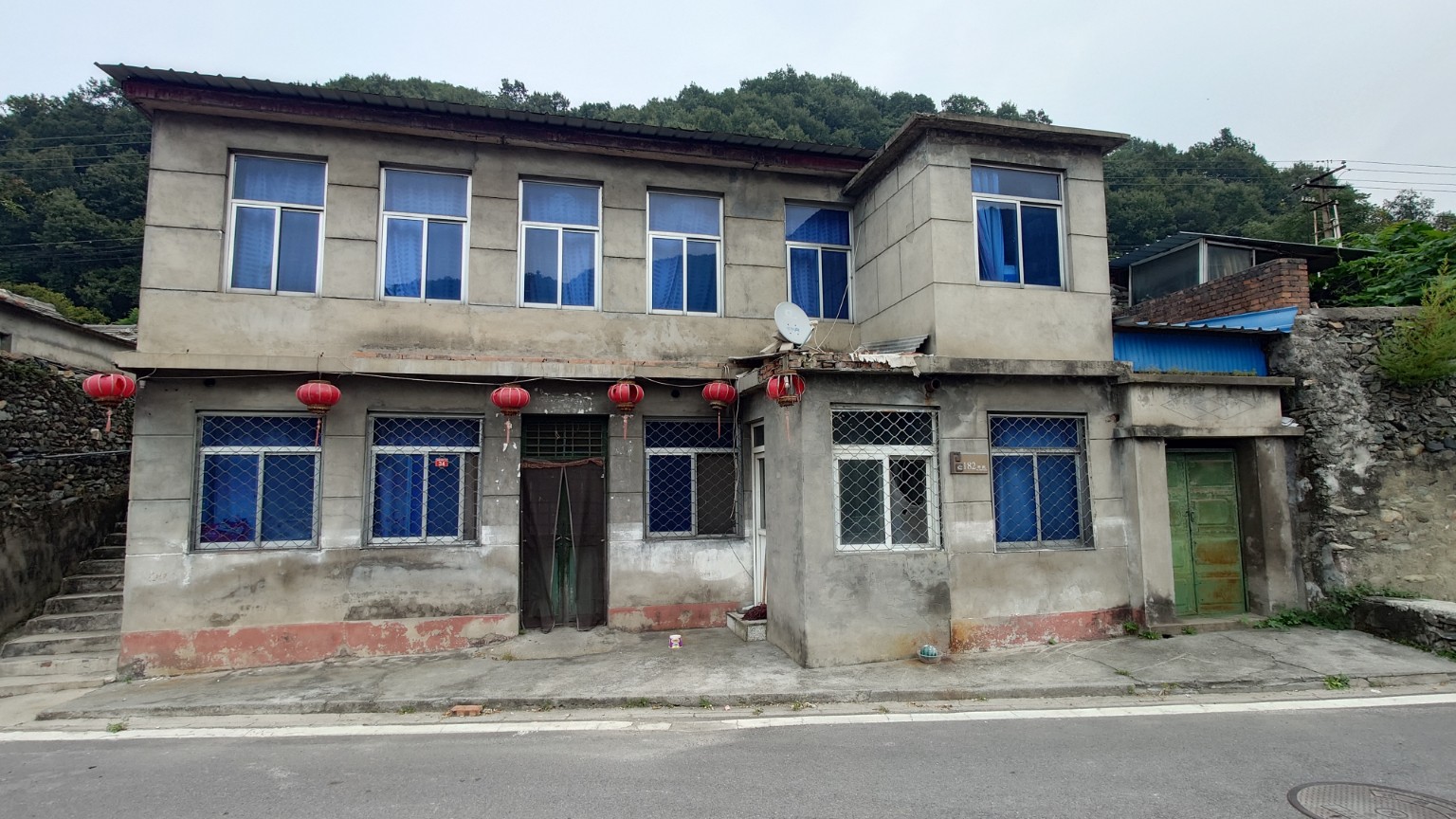
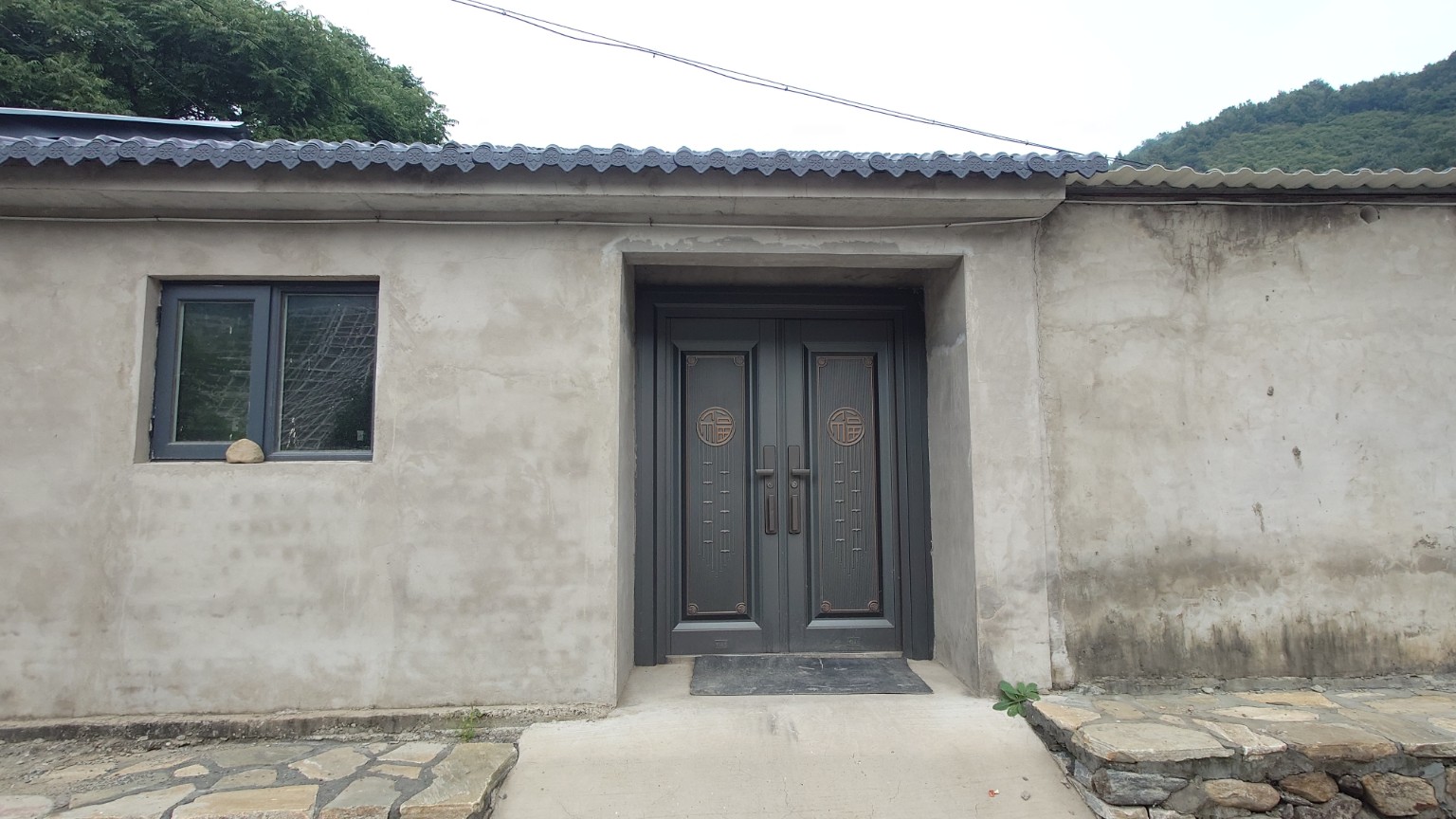
At the centre is the ancient core, retaining its stone fabric and traditional village layout. Toward the perimeter are houses built over subsequent decades: raw cement walls, blue-tinted window film, silver aluminium frames, and austere, boxy two-storey volumes. They are an unvarnished snapshot of how rural northern China interpreted modernity in the 1980s—an accidental domestic dreamcore aesthetic that has already congealed into its own layer of historical memory.
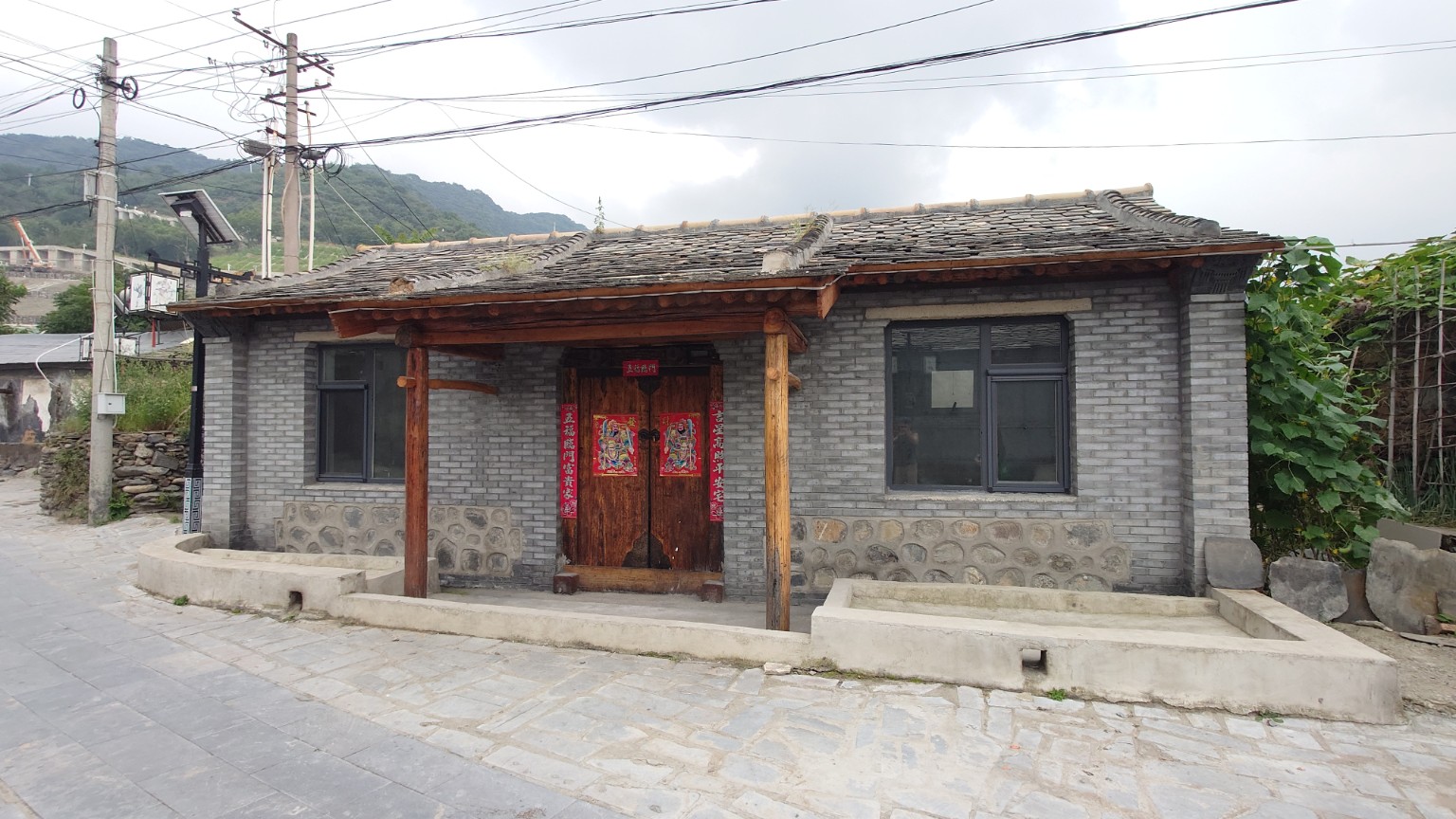
Push further into the outer residential ring and another transformation appears. A handful of ordinary homes have been completely rebuilt into contemporary country houses with upgraded glazing, refined courtyards and modern materials. Several look as if they have already passed into the hands of urban transplants and ‘new villagers’ from central Beijing. Nanjiao is not frozen in amber. It is an active, evolving organism—and that is precisely what makes it compelling.
The asset hiding in plain sight
Along the main street of the old village, the local administration has numbered dozens of vacant courtyards. The stone paths are intact and the spatial logic of the settlement remains razor-sharp, yet most buildings have never undergone comprehensive restoration.
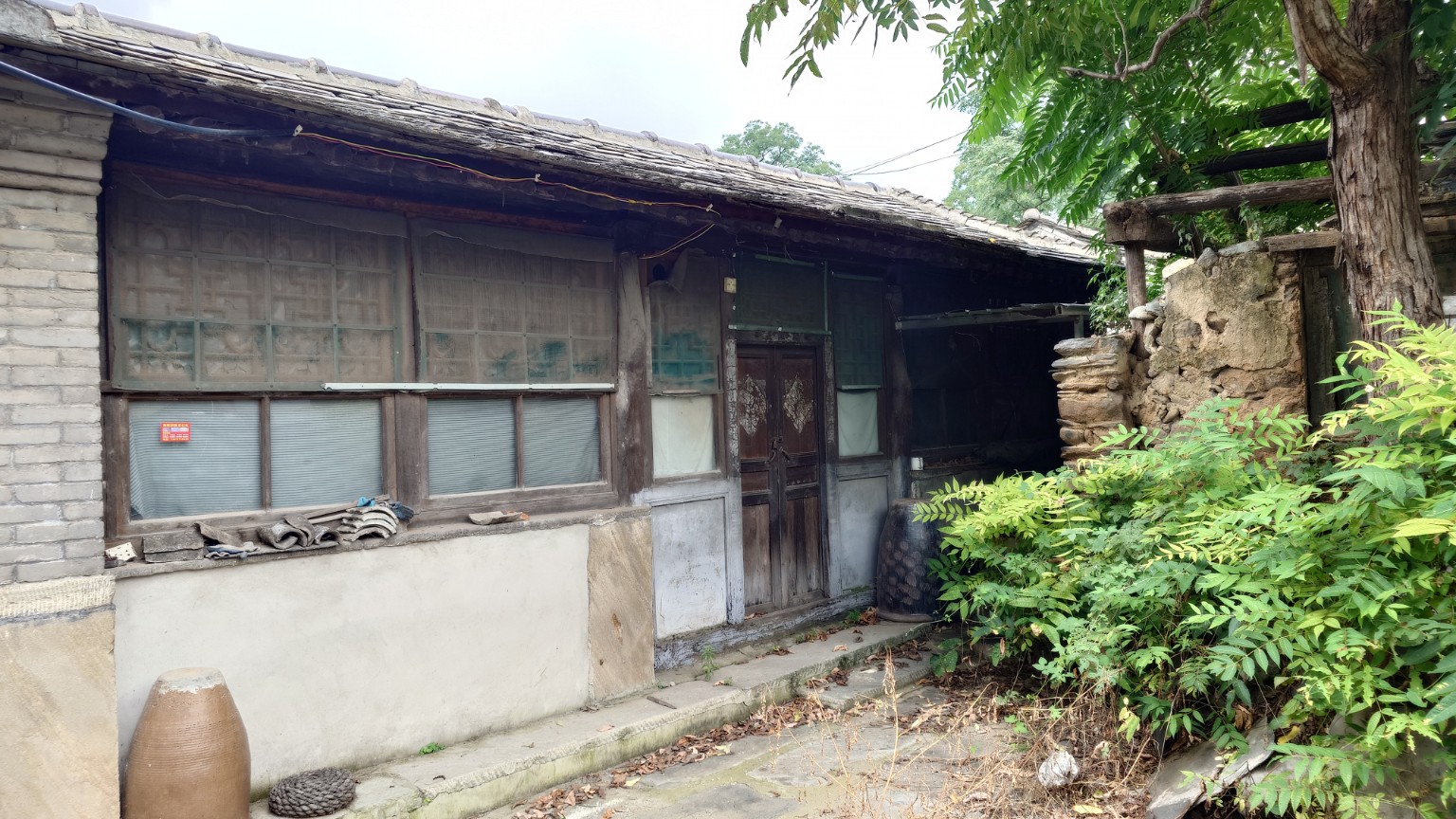
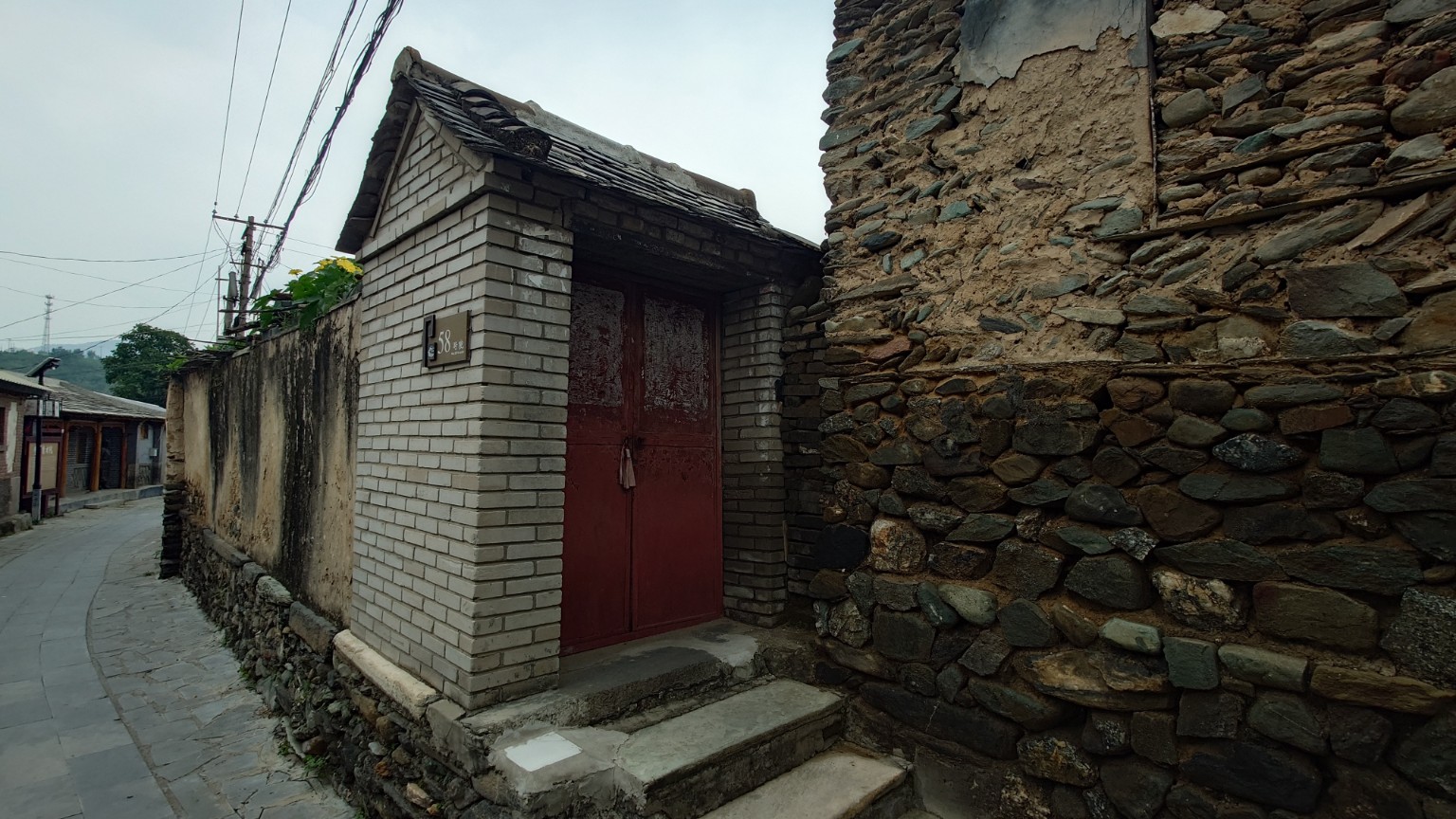
Walk down one alley and several realities appear side by side: a stone house cleanly reinforced and kept in active use; a weathered courtyard carrying the everyday patina of life from decades ago; and a collapsed property with decaying roof beams, broken lintels and overgrown rubble. Rather than looking like hopeless neglect, this contrast highlights the underlying asset. The foundation has not vanished; it simply has not been activated.
Just over the ridge lies Shuiyu Village. Compared with Nanjiao, Shuiyu is somewhat further along in its tourism footprint, with more local eateries and basic visitor facilities. Even there, however, the hospitality and culinary supply falls far short of what these valleys could genuinely sustain. The problem is not an absence of development. It is that piecemeal efforts have barely scratched the surface of what these stone settlements can offer.
The village is the hotel
If a hospitality group with sufficient capital, design acumen and patience were to step in, these villages offer an ideal canvas for a full-scale albergo diffuso—a dispersed village hotel. My immediate thought was that this landscape has the raw material for a more intimate, uncommercialised alternative to Gubei Water Town. Yet it does not need to copy Gubei at all. It can be quieter, more restrained and far more authentic.
There is no need to cram the valley with synthetic retail rows, scripted street performances and souvenir stalls. The entire project could anchor itself on one core element: world-class accommodation. Imagine gradually leasing and restoring dozens of vacant stone courtyards scattered across the village, converting them into guest suites, private dining rooms, communal tea salons, design studios and reading spaces.
Under this model, the hotel requires no monolithic central building. The village is the hotel. Guests sleep in private restored compounds, walk along genuine stone alleys, and drift between old masonry walls, leafy courtyards and mountain vistas. Modern environmental comforts—insulation, underfloor heating, contemporary bathrooms and acoustic sealing—are engineered discreetly inside, while the historic external texture remains intact.
Even architecture from different eras does not need to be flattened into a uniform Ming–Qing pastiche. Ancient dry-stone walls and timber frames represent one layer of history; the cement façades and aluminium windows of the 1980s represent another. Thoughtful adaptive reuse does not erase chronological complexity to stage a monoculture.
This is fundamentally different from buying an empty suburban plot and erecting a generic, ground-up ‘neo-Chinese resort’, because the one truly scarce asset is already embedded in these stones: time.
Scale changes the proposition
In nearby Shuiyu, dozens of vacant farmhouses tell a similar story. Looked at individually, one derelict house resembles a liability: endless maintenance costs, murky property coordination and agonising construction logistics. Scaled up, however, fifty or a hundred underused courtyards become something else—a ready-made spatial foundation for an embedded luxury retreat.
This is not an asset-light endeavour. Turning decaying stone shells into high-end hospitality demands capital, patient horizons and serious engineering. Many structures are on the verge of ruin and need foundational intervention. Yet that raw state leaves vast room for architectural imagination.
Crucially, these buildings are genuinely old, not synthetic movie sets distressed with artificial patina. In one crumbling house, we even came across a traditional wooden coffin with traces of faded red lacquer still clinging to the timber. It was visceral, eerie and utterly authentic.
That tension between decay and beauty is what makes Nanjiao captivating. Collapsed roofs sit beside exquisitely carved timber window frames; exposed rammed earth and raw stone sit beside freshly pointed grey brick. Some yards are lived in, while others are quiet as a tomb and frozen fifty years in the past. Walk twenty paces further and you pass a sleek, newly renovated residence. This is neither a finished commercial commodity nor a static historic relic. It is a living rural community where people leave, return and resettle.
Chinese precedents—and the operational path
The commercial feasibility of dispersed village hospitality is no longer purely theoretical in China. Domestic precedents have shown how vacant rural buildings can be pooled, restored and operated without clearing the settlement for a single new resort compound.
- Whole-village coordination: Shanli Hange in Miyun’s Ganyugou Village converted abandoned houses into a rural hotel cluster while village households participated through leases, cooperative arrangements, employment and local infrastructure improvement.
- Standardised decentralised operation: Yinjuxiangli has expanded the reuse of long-vacant farmhouses across multiple villages, combining vernacular exteriors, modern interiors and locally rooted service operations.
- Heritage-led hotel intervention: Kaiyuan’s Dayu Guantang in Shaoxing demonstrates how institutional hospitality can operate within an inherited village fabric while making that setting central to the guest experience.
A hotel that grows from within
What Nanjiao and Shuiyu offer is not merely a handful of old stone cottages waiting to become generic B&Bs. They offer a far more compelling possibility: a hotel that is not built beside an ancient village, but one that quietly grows from within it.