
A modern enclave on the valley floor
If Nanjiao and Shuiyu represent the dormant, unactivated historic villages of West Beijing, Tanzhesi Town offers the opposite picture. This is not an ageing hamlet awaiting architectural salvage, but a modern residential enclave carved cleanly out of the valley floor. High-end developments flank the foothills, commanding prices between $3,500 and $6,000 per square metre. Roads, commercial plazas and neighbourhood infrastructure are already well established, all framed against Mentougou’s dramatic mountain backdrop.
The juxtaposition is compelling: you live in a thoroughly contemporary community, yet look up to meet raw mountain ridges rather than an urban skyline. The public realm avoids the perfunctory tactic of planting token greenery along kerb lines. Instead, it offers expansive country parks, connected pedestrian networks and family-oriented amenities geared toward outdoor weekend living.
Beside the retail core, a shallow canal allows children to wade and paddle, flanked by bistros, outdoor dining patios, manicured lawns, glamping setups and mountain views. By every physical metric, Tanzhesi already functions as a mature suburban lifestyle hub.
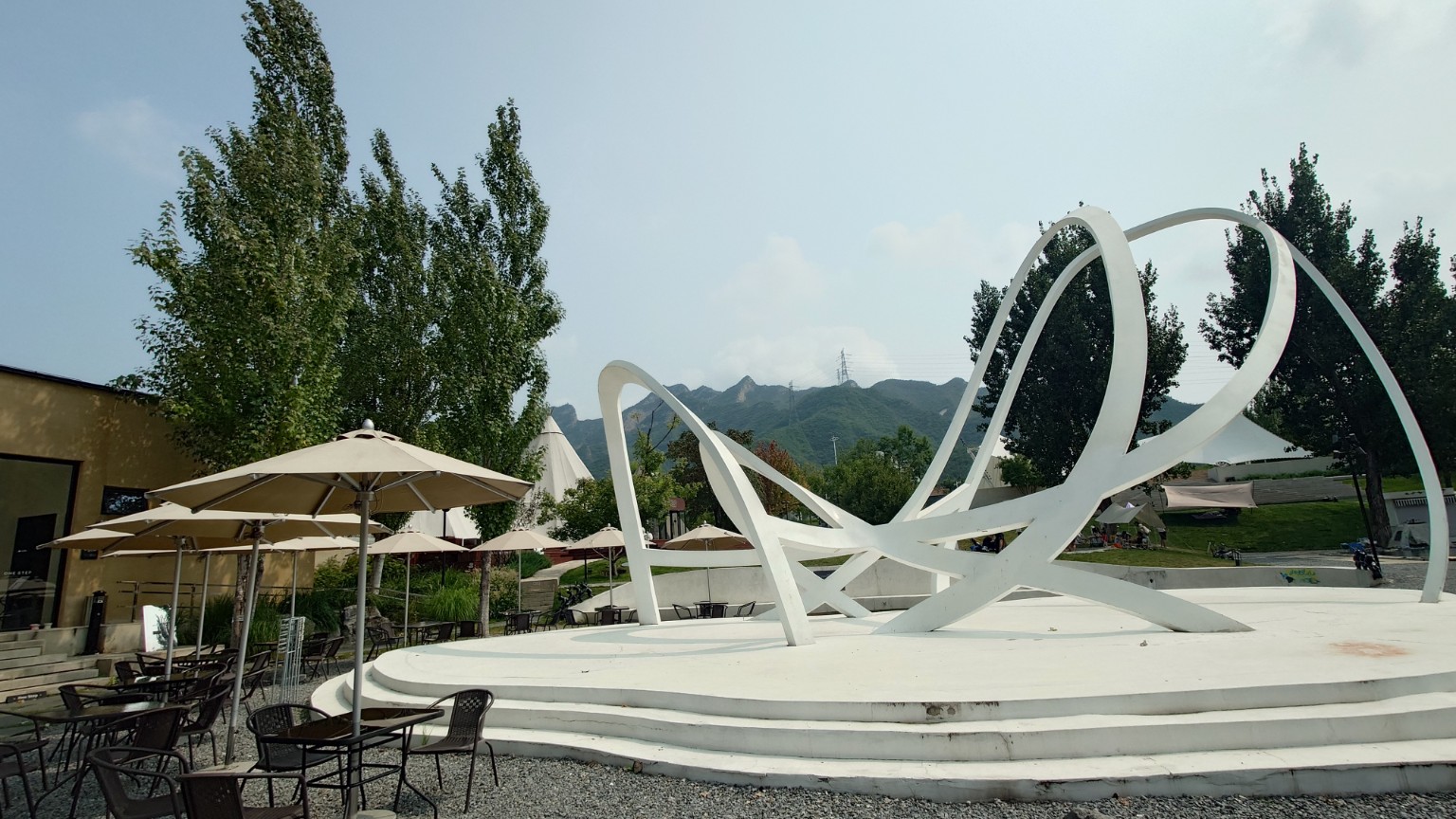
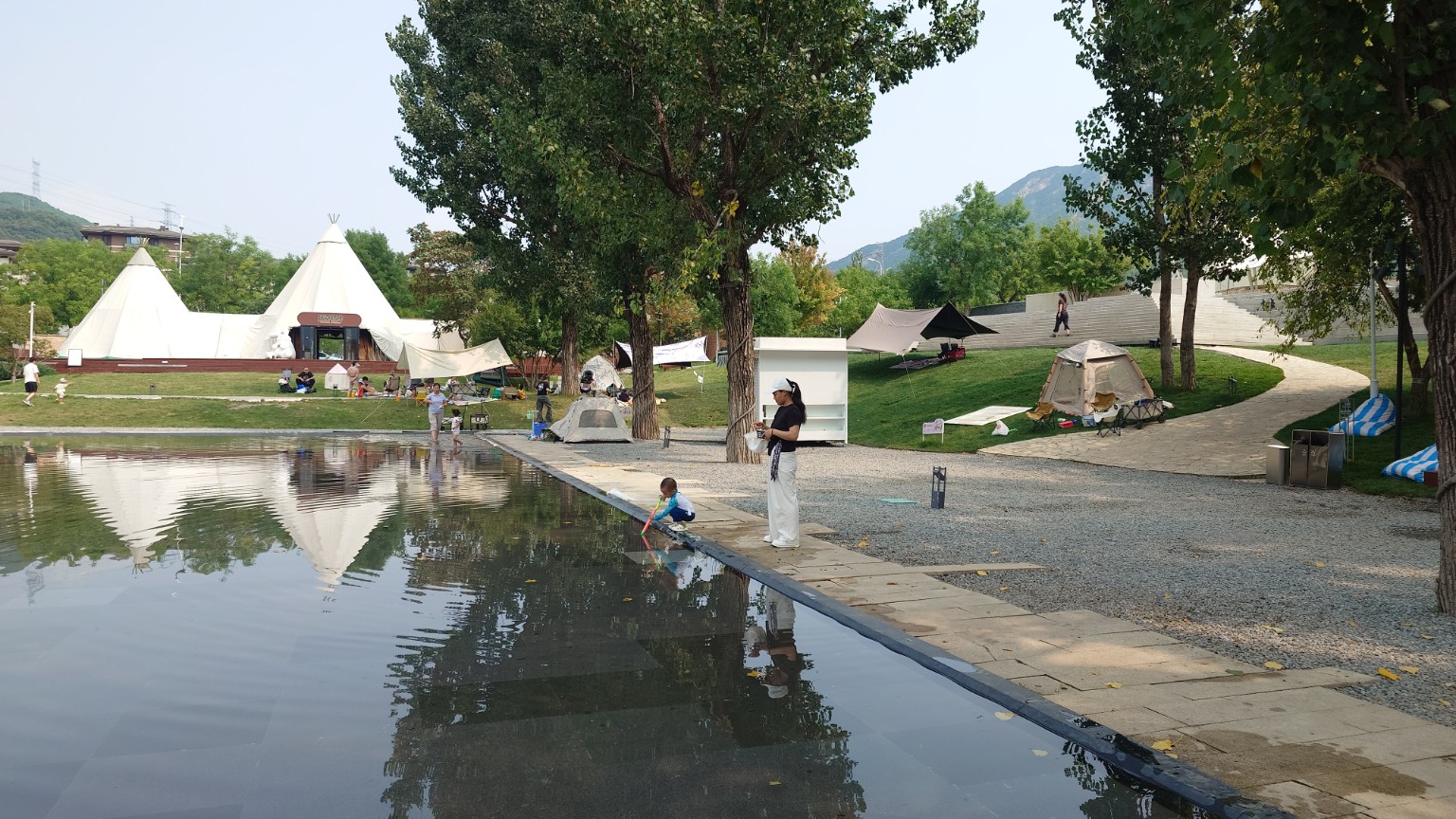
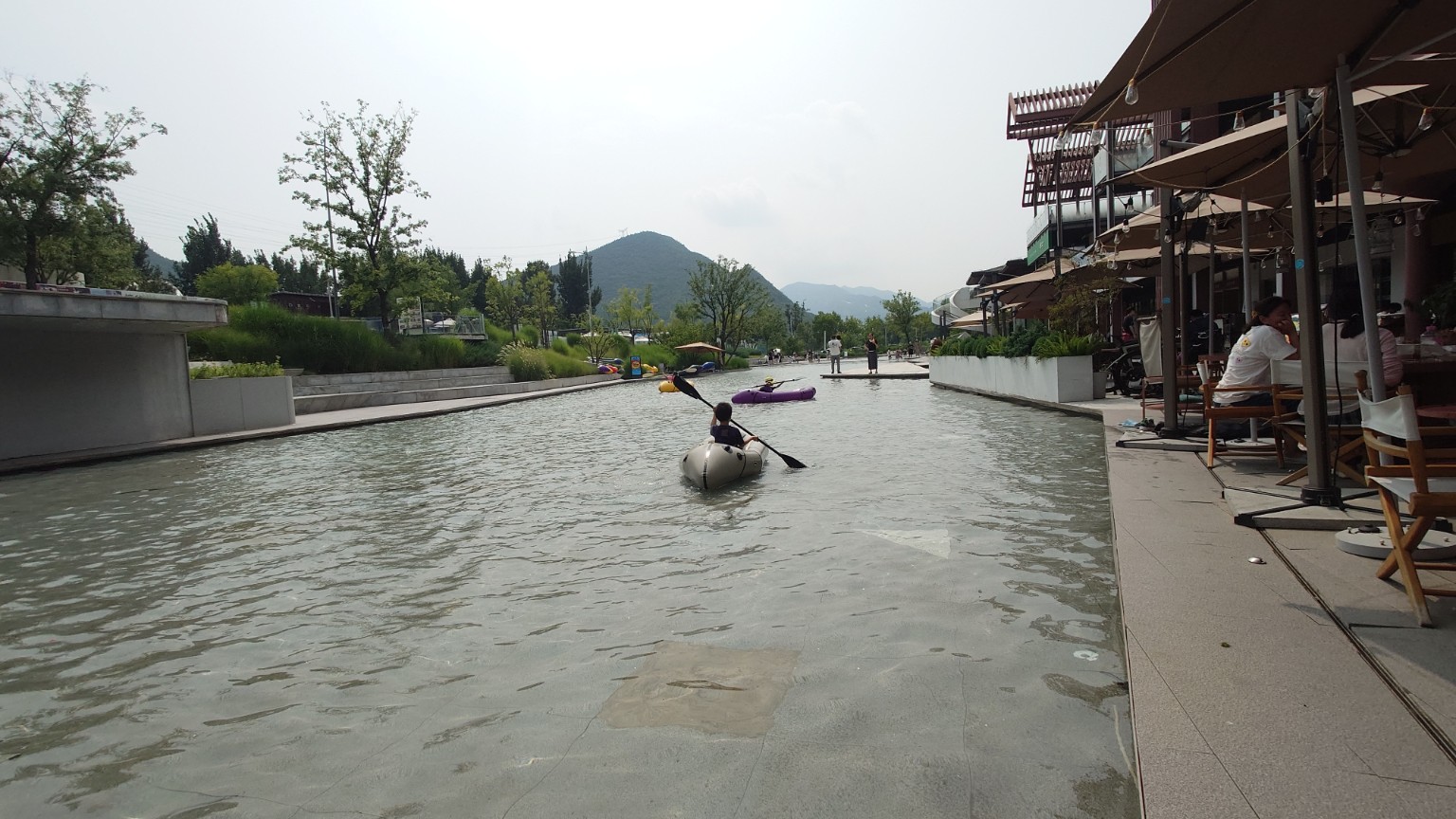
The obvious retail categories are already covered
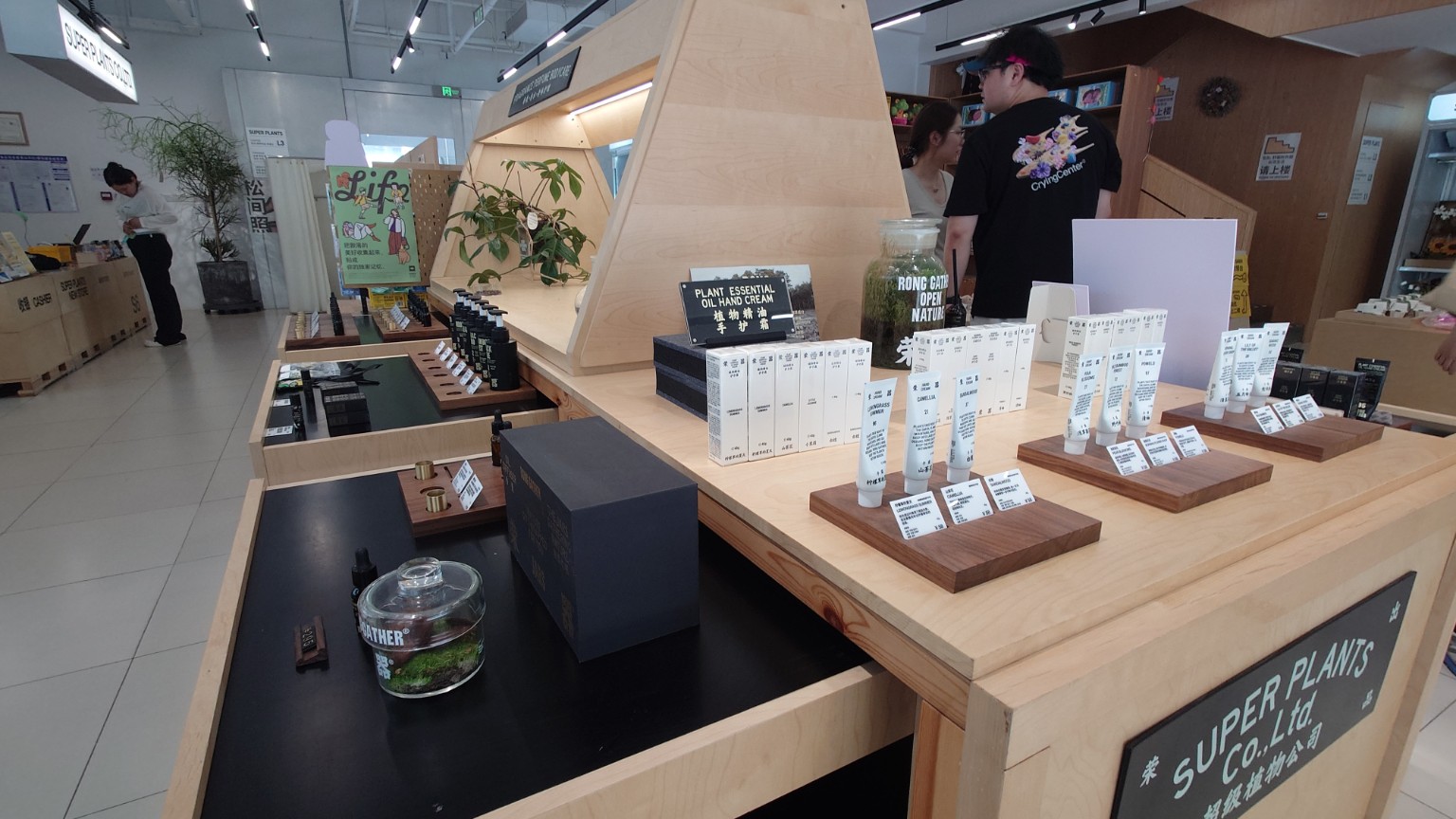
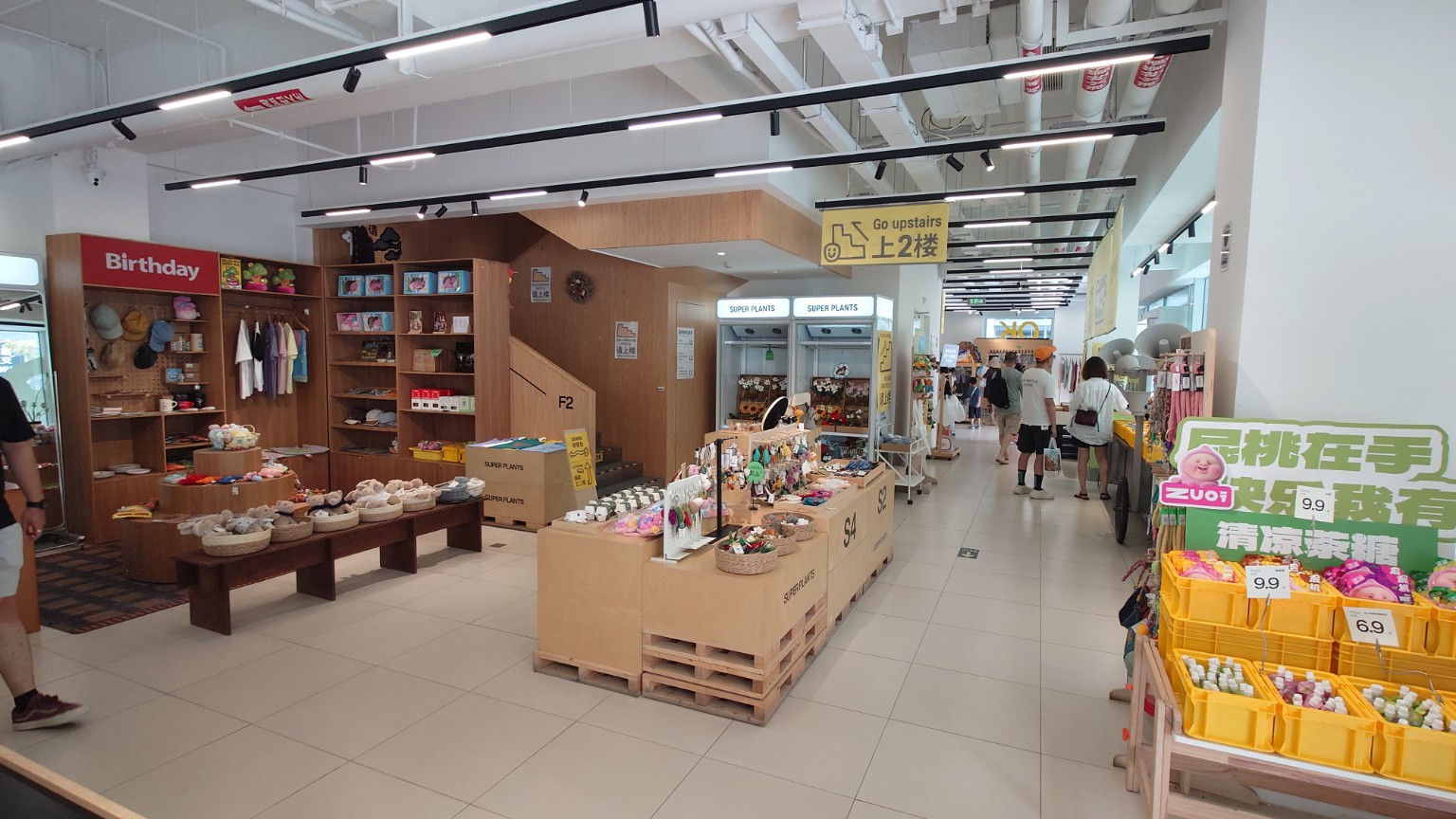
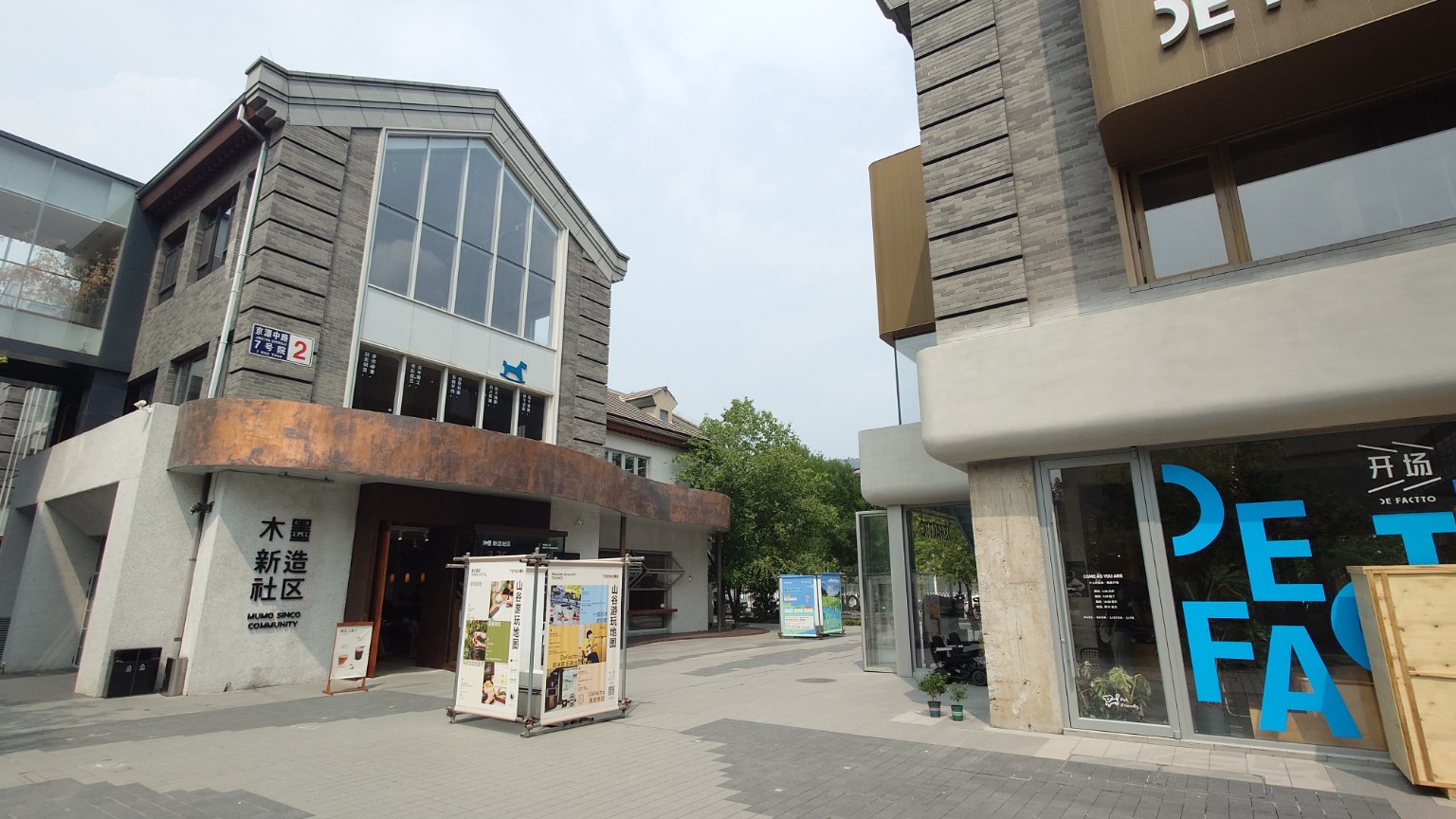
The more intriguing story lies in Tanzhesi’s retail landscape. Rather than replicating standard nationwide chains, its commercial spaces clearly prioritise founder-led independent concept stores. The merchant mix is already surprisingly varied: independent perfumeries, artisan craft studios, bookstores, curated toy boutiques, home-goods shops and independent design galleries are all operating. In food and beverage, competition is already intense.
For an incoming international indie brand, the core question is no longer what category is missing. The obvious bases are covered. The real inquiry is: what unmet demand remains unaddressed?
Having just completed a major wave of upscale residential expansion, Tanzhesi still holds commercial upside. Few people buy their first home this far from central Beijing; purchasing here is an explicit lifestyle statement. The resident profile appears to skew toward affluent upper-middle-class households, multi-property owners seeking natural surroundings, and families anchored by the newly completed Tanzhesi campus of Tsinghua University High School. On-the-ground purchasing power is solid.
Two audiences, two reasons to return
The real friction lies in demographic scale. No matter how many high-end residences are built, the permanent local headcount has a ceiling. A café, perfumery, design studio or specialist bistro will quickly reach a revenue plateau if it relies only on repeat visits from a handful of surrounding subdivisions. Long-term viability depends on capturing the broader visitor economy.
That makes Tanzhesi commercially complex: businesses must manage two fundamentally different customer cohorts. Local residents sustain weekday volume, repeat purchases and baseline cash flow. Weekend visitors deliver holiday foot traffic, market expansion and the only real mechanism for punching through the local population ceiling.
Their expectations differ sharply. Residents want a reliable place worth visiting every week. Day-trippers require an intentional destination worth a cross-city drive, a photograph and a recommendation.
Merchandise is not enough; the brand needs destination value
An incoming brand cannot coast on good merchandise alone. A standard fragrance retailer has little room to operate given existing competitors, but an international fragrance atelier with proprietary compounding systems, on-site crafting, interactive workshops and strong spatial design presents an entirely different proposition.
The same applies to crafts. Retail shelves are abundant, but a studio anchored by resident artists, live fabrication and rare materials transforms retail into an experiential destination. Tanzhesi is no longer an exercise in filling category gaps. It tests whether a brand can create a compelling reason to be chosen within an already capable ecosystem.
Then comes the long winter
Across spring, summer and autumn, the mountain environment thrives on patio dining, streamside family outings and day-trip sightseeing. Winter upends that dynamic. Road conditions deteriorate, outdoor activity contracts and visitor volume drops precipitously.
For an indie brand, surviving winter is a strict cash-flow calculation. If revenue clusters across eight warmer months, how do rent, payroll, inventory and overhead get covered through the off-season? Operators must decide whether to use the physical store as an e-commerce fulfilment node, diversify into indoor workshops and community services, rely on residents to maintain a baseline floor, or engineer peak-season margins aggressively enough to fund the mandatory lull. For lean operations—a boutique studio, independent apparel label or artist-led atelier—this is an existential hurdle.
None of this suggests a lack of opportunity. Affluent residential density is rising, public infrastructure is operational, and a founder-led commercial culture has taken root. But Tanzhesi has moved beyond the early stage where simply opening an interesting concept guarantees a market void to fill.
The next wave of brands must answer three questions: Why will locals return regularly? Why will urban day-trippers make the deliberate trip? And how will the model survive the winter? Tanzhesi is not a blank slate waiting to be built from scratch. It is a maturing commercial ecosystem where opportunity no longer favours early arrivals—it favours operators with absolute strategic clarity.